1 Corinthians 7
God Lavayiyat Aṅ Puhuvasiwni · Tap a verse to see its cross-references.
Questions about Marriage
1Taay, noqw ura uma hīhihta ep inumiq pēnayaqw pam pu’ni. Pay tāqa qa nȫmataniqw, pam put eṅem lolma. 2Nīk̇aṅw pay nāphisat sen sinom nuvöhinwisq, ōviy pay uma aṅ nanāp tahtaqt nȫmay’yuṅwni, pu momoyam aṅ nanāp puwsuṅwni’yuṅwni. 3Tāqa nȫmay makiwayat aw put noi’tamantani; pu pay piw an wuhti puwsuṅway tavi’tamantani. 4Hakiy nȫmaat tokoy aw qa nāp móṅwiniṅwu, put puwsuṅwaat put aw móṅwiniṅwu. Pu pay piw an hakiy puwsuṅwaat tokoy aw qa nāp móṅwiniṅwu, pi nȫmaat put aw móṅwiniṅwu. 5Hakim nāmi qa nāk̇awintimantani, ason pay hakim pas nāmi pan yuk̇e’, pu’ hihsavo panhtimantani, hakim napwalni’k̇aṅw, nāwakinpit aw yuki’taniqey ōviy’o; nit pu ason hakim piw nāmimantani, taq k̇a Satan hakimuy qa namituyqawi’taqat ep pumuy amumi unahepmantani. 6Nīk̇aṅw hapi pay nu yan pēnaqe it umuy nakwhana, qa ayata. 7Nuyniqw pi as sohsoyam inunyuṅwniqw pam amuṅen lomahintani. Noqw pay pi sohsoyam God aṅqw nanāp hin makiway’yuṅwa, suhk̇a yanwatniqw, pu mi’wa piw tuwat panwata. 8Noqw ōviy nu aṅ imuy qa nȫmay’yuṅqamuy, pu qa puwsuṅway’yuṅqamuy‐nik̇aṅw pu koṅnanalvutuy amumi paṅqawni: Pay uma pas inún hinyuṅwniqw as pam umuṅem lolma. 9Nīk̇aṅw kurs pay uma qa namituyqawyuṅwniqw, pay hak hakiy ámumtini. Pi hakiy ámumtiniqw pam pantaqa nuvömokiwuy aṅ k̇ānavoti’taniqat epnihqe pavan lolma. 10Pu aṅ hakim ámum’iwyuṅqamuy nu amumi tutapta, nīk̇aṅw pay qa nūu, i’ Tutuyqawhqa: Wuhti puwsuṅway qa mātapmantani. 11Nīk̇aṅw kurs pam put mātave’, pay pam nalqatmantani; sen pay ahoy puwsuṅway amum namivöhiknik panhtimantani. Pu i’ tāqa nȫmay qa mātapmantani. 12Pu ahpiy mímuywatuy nu’ amumi paṅqawni, qa Tutuyqawhqa: Kurs hakiy tuptsiwni’taqat nȫmaat qa tuptsiwni’te’ nāt put amum qátuniqey nāwaknaqw pay pam put qa mātapmantani. 13Pu kurs wuhtit puwsuṅwaat qatuptsiwni’te’ nāt put amum qátuniqey nāwaknaqw pay pam put qa mātapmantani. 14Pi i’ qatuptsiwni’taqa tāqa nȫmay atsviy God awwat sutsvo taviwta. Pu i’ qatuptsiwni’taqa wuhti puwsuṅway atsviy God awwat taviwta. Pi as qa pantaniqw umuhtim hovariwyuṅwni; noqw pay hapi puma God awwat oyiwyuṅwa. 15Nīk̇aṅw kurs i’ qatuptsiwni’taqa ahpiyninik, pay pi ahpiymantani. Pay i’ tuptsiwni’taqa tāqa, sen wuhti, pantaqat ep qa sómiwtaṅwu. Pi God itamuy uyiwawtaqat qatsit aw wáṅwayi. 16Ispi yantaq’ö, wuhti, ya sen um uhpuwsuṅway Christ aw tuyqawvaniqey hin navoti’ta? Pu um’i, tāqa, ya sen um uhnömay Christ aw tuyqawvaniqey hin navoti’ta?
Live as God Called You
17Noqw pay pi God aṅ sohsokmuy nanāp hin qatsíhuytaqw, pu hakiy hin hintaqat Tutuyqawhqa put wáṅwayhq, hak pan hinmamantani. Yan hapi nu sohsovik Jesus aw tōnawtaqamuy amunawit yuki’ma. 18Sen haqawa poṅotkit akw tuvoylaiwk̇aṅw wáṅwayniwe’, pay pam put tuvoylat qa ayo yúkuni. Sen haqawa qa poṅotkiwk̇aṅw wáṅwayniwe’ pay pam qa poṅotkiwni. 19I’ poṅotki pay qa hímuu, pu i’ qa poṅotki pay piw qa hímuu; pi God tutavoyat aṅ hinmaqw pam’i. 20Uma aṅ nanāp hin hink̇ahk̇aṅw wáṅwayniwye’ pay panyuṅwni. 21Um sen núantuwikinik̇aṅw wáṅwayniwa; pay um put ep qa hin unaṅway’tani. Nīk̇aṅw kurs pay um hin mātaviwninik, um akw moṅwvastini. 22Pi núantuwikinik̇aṅw Tutuyqawhqat ahpiy wáṅwayniwhqa Tutuyqawhqat ahpiy mātaviwa. Pu piw pay an i’ qa núantuwikinik̇aṅw wáṅwayniwhqa Christ núantuwikiatniṅwu. 23Uma hapi hihta hihk̇ay’taqat akw tuiwya. Oviy uma qa sinmuy amumi nātuwiktotani. 24Itupkomu, pay uma aṅ nanāp hin hink̇ahk̇aṅw wáṅwayniwyaqey pan God amum yesni.
Questions about the Unmarried and the Widows
25Pu nu imuy aṅ nāt pas mámanhtuy pay qa hinwat Tutuyqawhqat aṅqw tutavot pasiwta. Nīk̇aṅw pay nu hin wūwaqey paṅqawni. Pi nu Tutuyqawhqat aṅqw ōkwatuwiwa, pas qa atsat hinmaqee. 26Itam pay hihsavo pas sóontsaniwyuṅwni. Noqw ōviy nuyniqw hak hin makiway’te’ pan qátumantaniqw pam eṅem lomahinta. 27Um hak nȫmay’taqa, pay um aṅqw mātaviwniqey qa tunatyawtani. Noqw um ṅasta nȫmay’taqa, pay um qa nȫmawuwantani. 28Nīk̇aṅw kurs um piw nȫmate’, um pay qa hin qaanhtini. Pu kurs i’ nāt pas māna puwsuṅwte’, pay pam piw qa hin qaanhtini. Nīk̇aṅw panhtotiqam hapi yep qatsit ep k̇ānanvotyani. Noqw nu as put aṅqw umuy ayo óyaniqey nāwakna. 29Nīk̇aṅw it nu paṅqawni. itupkomu: Tuwani tsāva. Noqw ōviy yahpiy hapi yantani: Aṅ nȫmay’yuṅqam pay qa nȫmay’yuṅqey panyuṅwni; 30Pu aṅ tsaykitaqam pay qa tsaykitaqey panyuṅwni; pu aṅ hahlayyaqam suhpan pay qa hahlayyaqey panyuṅwni; pu hihta tuhtuy’yaqam pay hihta qa himuy’yuṅqey panyuṅwni; 31Pu yep qatsit akw moṅwvasyaqam qa nukushintsahtsanyani; pi yep qatsit tunatyaat tūwayato. 32Noqw nu as umuy qa nānaphin wuwanvisoq’iwyuṅwniqat umuṅem nāwakna. I’ hak qa nȫmay’taqa Tutuyqawhqat hihmuyat tunatyawtaṅwu, hin pam Tutuyqawhqat unaṅwveniqey ōviy’o. 33Noqw pu i’ nȫmay’taqa yep qatsit ep hīhihta hinyuṅqat tunatyawtaṅwu, hin pam nȫmay unaṅwveniqey ōviy’o; nihqe lȫqmuy wuwni’ta. 34Noqw māna nāt qa puwsuṅway’taqa Tutuyqawhqat hihmuyat tunatyawtaṅwu, pam hin tokoy, pu hikwsiy ep qahováriwtaniqey ōviy’o. Noqw pu i’ puwsuṅway’taqa yep qatsit ep hīhihta hinyuṅqat tunatyawtaṅwu, pam hin puwsuṅway unaṅwveniqey ōviy’o. 35Noqw uma it akw moṅwvasyaniqat ōviy nu yan lavayhti. Nu umuy qa aw u’ta. Noqw yan uma lomahinwise’, qa hihta sos’onk̇ahk̇aṅw Tutuyqawhqat aw unaṅwtavi’yuṅwni. 36Nīk̇aṅw kurs hak tiyo manhtuway k̇a qa súantsahtsanhqey wūwante’, kurs pay pam tukwsiwtaqw, soon as qa panhtiniqw, pay pi pam hin tunatyawte’ panhtini; pay pam qa hin qaanhtini, pay pi puma nāmatini. 37Nīk̇aṅw pay hak unaṅwpeq tunatyay qa wílökni’taqa, qa hihta akw sóon’iwk̇aṅw tunatyay aw tuyqawi’taqa manhtuway nāt pas mānat tavi’taniqey unaṅwpeq yuki’taqa hapi súanhtini. 38Noqw ōviy i’ hak put ámumtiqa hapi súanhtini, nīk̇aṅw i’ hak put qa ámumtiqa put epnihqe pas pavan súanhtini. 39Wuhti hin yukiwtaqat tutavot ahpiy puwsuṅway aw sómiwtaṅwu hihsavohaqami qátuniqat pahsavoo. Nīk̇aṅw ason kurs put puwsuṅwaat mokq pam mātaviwṅwu. Pay pi hakiy ámumtinik ámumtimantani; nīk̇aṅw hapi pas Tutuyqawhqat sinoyat‐sa ámumtimantani. 40Nīk̇aṅw pam hintaqey pan hinmaniqw pam pantaqa nuyniqw put eṅem lomahintani. Noqw nu wūwantaqw God Hikwsiat iunaṅwpeq qátuhqa piw pan unaṅwti.
Did you know?
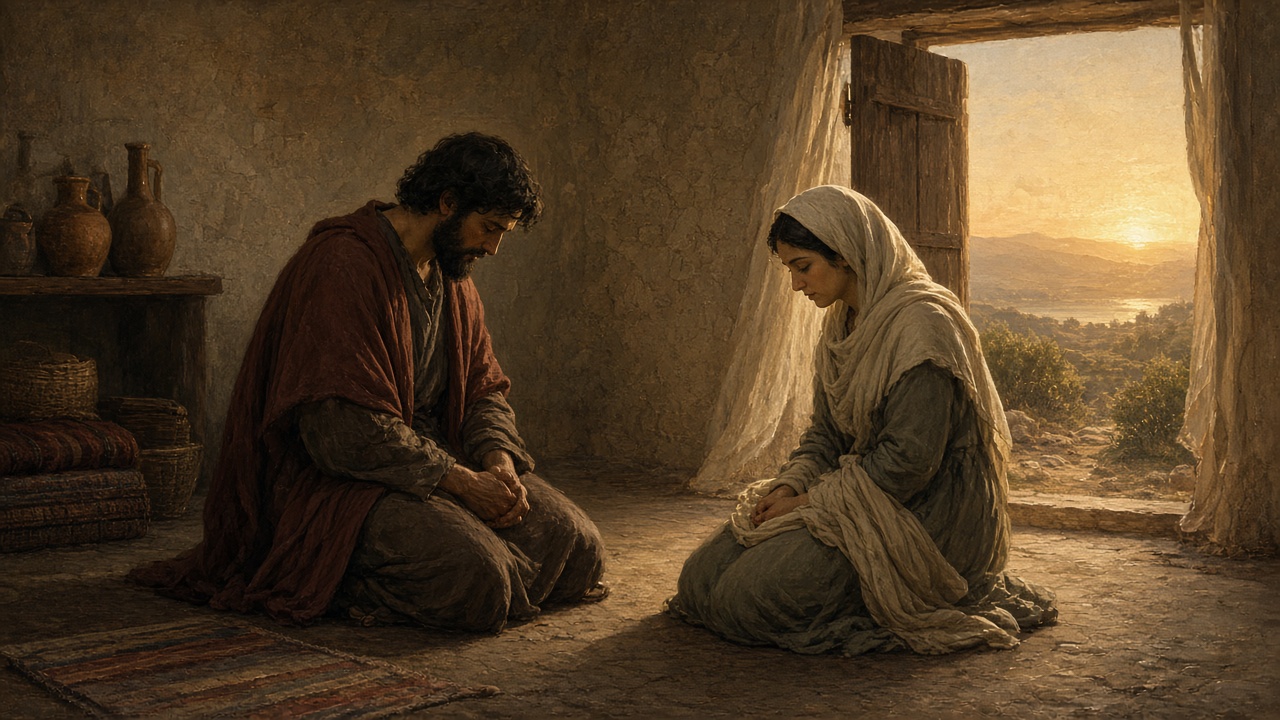
Counsel on marriage and the present crisis
- The chapter opens as a reply to matters the readers had written about. The writer says it is good to abstain from sexual relations, yet, because there is so much sexual immorality, each man should have his own wife and each woman her own husband. He presents this as a concession, not as a command, and says that each person has their own gift from God.Sources: the Bible text itself
- In marriage, the writer says the wife does not have authority over her own body, but the husband does, and likewise the husband does not have authority over his own body, but the wife does. They should not deprive each other except by mutual consent and for a time, so they may devote themselves to prayer, and then come together again, so that Satan will not tempt them through lack of self-control. Easton's Bible Dictionary (1897) presents the name Satan as “adversary” or “accuser,” and notes that he tempted Jesus in the wilderness.Sources: the Bible text itself · Satan
- The writer distinguishes a command he attributes to the Lord—a wife must not separate from her husband, and a husband must not divorce his wife—from his own judgment where he says he, not the Lord, is speaking, including marriages with an unbeliever and questions about virgins. Because of what he calls the present crisis, and because he says the time is short and this world in its present form is passing away, he thinks it good to remain as one is. He adds that to marry is not to sin, though those who marry will face troubles in this life.Sources: the Bible text itself
Notes written with AI assistance from open sources (Theographic Bible Metadata, CC BY-SA 4.0; Easton’s Bible Dictionary, public domain) and reviewed before publishing.
Credits and license for this translation
God Lavayiyat Aṅ Puhuvasiwni
New Testament in Hopi (US:hop:Hopi)
copyright © 2012 Wycliffe Bible Translators, Inc.
Language: Hopi
Translation by: Wycliffe Bible Translators, Inc.
Hopi [hop], USA
Copyright Information
© 2012, Wycliffe Bible Translators, Inc. All rights reserved.
This translation text is made available to you under the
terms of the Creative Commons License: Attribution-Noncommercial-No Derivative Works.
( http://creativecommons.org/licenses/by-nc-nd/3.0/ )
In addition, you have permission to port the text to different file formats, as long as you
do not change any of the text or punctuation of the Bible.
You may share, copy, distribute, transmit, and extract portions
or quotations from this work, provided that you include the above copyright
information:
You must give Attribution to the work.
You do not sell this work for a profit.
You do not make any derivative works that change any of the actual words or punctuation of the Scriptures.
Permissions beyond the scope of this license may be
available if you contact
us with your request.
The New Testament
in Hopi
© 2012, Wycliffe Bible Translators, Inc. All rights reserved.
This translation is made available to you under the terms of the
Creative Commons Attribution-Noncommercial-No Derivatives license 4.0.
You may share and redistribute this Bible translation or extracts from it in any format, provided that:
You include the above copyright and source information.
You do not sell this work for a profit.
You do not change any of the words or punctuation of the Scriptures.
Pictures included with Scriptures and other documents on this site are licensed just for use with those Scriptures and documents.
For other uses, please contact the respective copyright owners.
2014-04-25
Source: http://ebible.org/hopNT/ · eBible.org