Proverbs 24
Tuivang Holy Bible · Tap a verse to see its cross-references.
Awihcyih Ak Chang
1Thlakchekhqi koeh oet nawh, aming lakawh ngawih koeh nai.
2Amik kawlungawh amak leek poeknaak doeng cawng unawh, amim kha ing thawlh sainaak doeng teng uhy.
3Cyihnaak im taw sakna awm nawh, simnaak ing cak sak hy.
4Simnaak ing imkhui awh khawh a phuk tlo tlo bee sakna awm hy.
5Cyihnaak ak ta thlang taw a qym awm nawh, simnaak ak ta thlang taw ak thaawmnaak pung hy.
6Ceem tlyk hlanawh ak leek soeih khawkhannaak taak leek nawh, cainaak ak leek taak ing qaal noeng sak hy.
7Thlakqaw ham cyihnaak sang aih nawh, thlang kqeng haiawh ak kqawn kawi awi am ta hy.
8Them amak leek sai ham khawkpoeknaak ak ta taw thlang ing seet ak saikung tina kawm uh.
9Thlakqaw poeknaak taw thawlh ni, thlang husit taw thlang ham sawhnaak kawi ni.
10Kyinaak na huhawh nang ngaam awhtaw tha amak ta thlang ni.
11Him ham a mi sawikhqi ce hul lah. Himna ak awm hly khqi ce ang tawnna thawng.
12“Ngai lah vetaw am sim nyng” na ti awhtaw, kawlung ak khinkung ing am sim hly nawh aw? Na hqingnaak ak doenkung ing am sim hly nawh aw? Thlang boeih, ami bibi amyihna thungna am awm hly nawh aw?
13Ka capa, khawitui ak leek soeih aw lah; khawilutui na hamna ak aawi dikdik ce aw.
14Cawhce na hqingnaak ham cyihnaak taw cemyih nani ti sim nawh; na huhawh, na hamna hai ben ngaih-uunaak awm nawh, nang ngaih-uunaak ing am boet tlaih kaw.
15Aw, thlakche pa, thlakdyng a im koeh muk, a awmnaak koeh hqee pe.
16Thlakdyng taw voei khqih tlu seiawm tho tlaih kaw; thlakche ang tluuk awhtaw am tho thai voel kaw.
17Na qaal ang tluuk awh koeh zeel nawh, bo sakna a awmawh nak kaw koeh zeel sak;
18Cekkaataw Bawipa ing ni hu kawm saw, am zeel kawm saw, ak khan awh ak kawsonaak ce qeem kaw.
19Thlakchekhqi caming koeh ly nawh, thlang thawlh koeh oet.
20Thlangthawlh ham kutdo am awm kawm saw, thlakche a maihchoei cetaw him pekna awm kaw.
21Ka capa, Bawipa ingkaw sangpahrang ce kqih nawh, kawhaa ak toenkhqi ce koeh pyi na;
22Ami ham seetnaak thoeng law tawk kawm saw, a mi qeengnaak hly kum uing nu a sim hly?
23Ve tloek awm thlakcyi ak awi kqawn ni, awi tlyk awh thlang hai toek am leek hy.
24Ak bo thlang venawh, “Na thawlhnaak am awm hy,” ak ti naak taw thlang boeih ing tamlawh kawm usaw, khawqam ing hoet kaw.
25Ak toeltham ak thlangkhqi taw zeel kawm usaw, amik khanawh zoseennaak pha law kaw.
26Awih thym ing ak hlatkung taw pyi leek ni.
27Kawngmaa awh bi na sai ham toen boeih nawh, na lo maa awh toen nawh, cecoengawh na im ce sa.
28Lehcainaak a awm kaana na imcengkhqi a kawnglamawh simpyikungna koeh awm nawh, nam kha ingawm koeh thalat na.
29“Kak khanawh a sai amyihna ak khanawh sai lawt kawng nyng saw, a bi sai amyihna pe kawng nyng,” koeh ti.
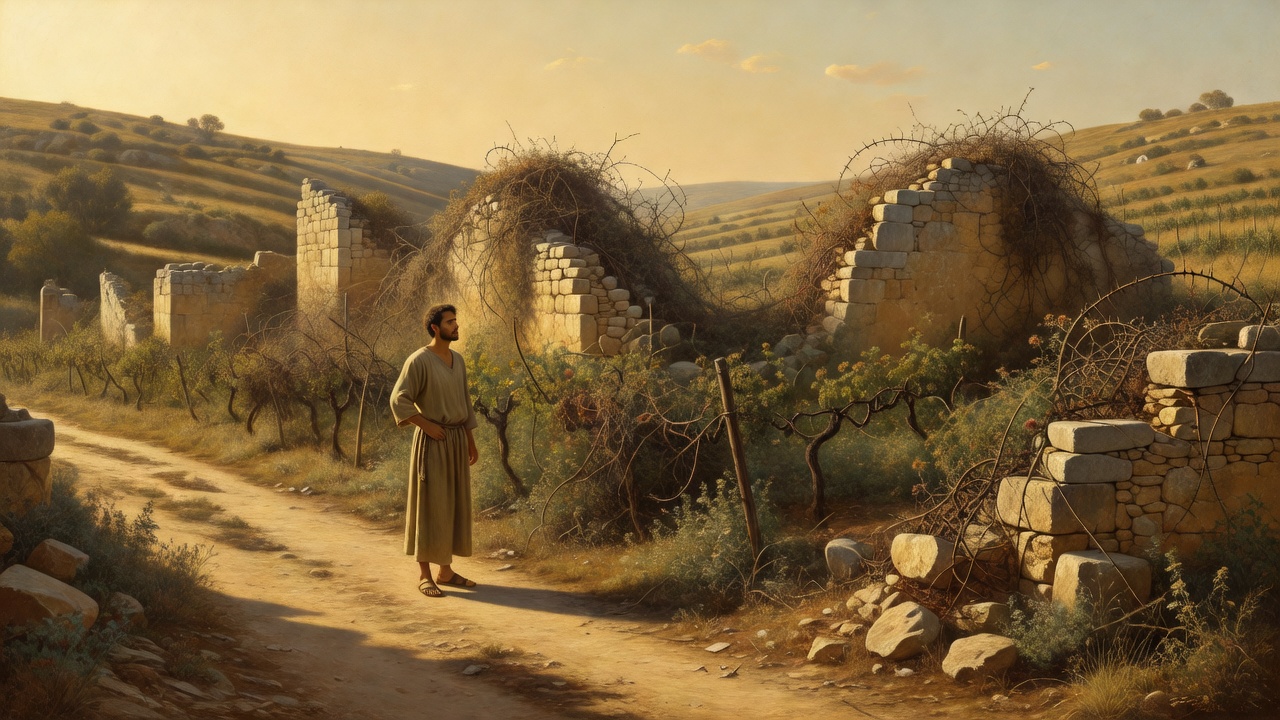
30Thlak thakdam lona cet nyng, simnaak amak ta misur dumna awm;
31Ngai lah, hling hqoengna awm nawh, dek awm bei hqoengna be nawh, a vawng chungnak lung khoeng awm tlu boeih hy.
32Ka huh awh, ak dungna poek qunyng, a ni cawngpyinaak ce hu nyng saw pawm thai nyng.
33Na ngaih awhtaw zaih, ip nawh, na kut khooem nawh dym poek poek,
34Na ih hlanawh khawdeng kawm ti saw, voetvainaak ing ceemqal amyihna thoeng law tawk kaw.
Did you know?
Wisdom for Daily Life, Justice, and Diligence
- Proverbs 24:27 reflects the priorities of ancient agrarian life by advising that one should first prepare fields and secure an agricultural livelihood before building a house. Securing reliable food production had to take precedence over investing resources into domestic shelter.Sources: the Bible text itself
- The chapter challenges passive bystander apathy, asserting that claiming ignorance will not excuse failing to rescue those facing unjust peril or death. It similarly warns against judicial partiality in civic assemblies, strongly condemning those who exonerate the guilty.Sources: the Bible text itself
- The vivid portrait of a slacker's vineyard highlights the rapid physical decay of untended land, marked by overgrown thistles and broken stone walls. In the hill country of ancient Israel, maintaining stone terrace walls was essential for preventing soil erosion and protecting crops.Sources: the Bible text itself
Notes written with AI assistance from open sources (Theographic Bible Metadata, CC BY-SA 4.0; Easton’s Bible Dictionary, public domain) and reviewed before publishing.
Credits and license for this translation
Tuivang Holy Bible
The Holy Bible in the Tuivang dialect of the Matu Chin language of Myanmar (Burma)
Copyright © 2020 Batupei Christian Fellowtship
Language: Tuivang (Chin, Matu)
Dialect: Tuivang
Copyright applies only in Myanmar. Outside Myanmar, this work is in the Public Domain.
This translation is made available to you under the terms of the
Creative Commons Attribution Share-Alike license 4.0.
You have permission to share and redistribute this Bible translation in any format and to make reasonable revisions and adaptations of this translation, provided that:
You include the above copyright and source information.
If you make any changes to the text, you must indicate that you did so in a way that makes it clear that the original licensor is not necessarily endorsing your changes.
If you redistribute this text, you must distribute your contributions under the same license as the original.
Pictures included with Scriptures and other documents on this site are licensed just for use with those Scriptures and documents.
For other uses, please contact the respective copyright owners.
Note that in addition to the rules above, revising and adapting God's Word involves a great responsibility to be true to God's Word. See Revelation 22:18-19.
2026-07-26
Source: http://ebible.org/hltthb/ · eBible.org