Psalms 32
Baibal Olcim · Tap a verse to see its cross-references.
Tholhhlahnah dongkah Omngaihnah
David kah Hlohlai
1Tholh a vuei pah tih, dumlai a hlah pah te a yoethen.
2BOEIPA loh anih taengah thaesainah te poek pah pawt tih a mueihla te vuelvaeknah dongah aka om pawt hlang tah a yoethen.
3Hil ka phah tih hnin at puet kah ka kawknah loh ka rhuh hmawn.
4Khoyin khothaih kai he na kut loh n'nan tih khohal kholing kah ka hlantui la poeh. Selah
5Ka tholh he nang kan ming sak tih kai kah thaesainah khaw ka hlipdah moenih. “Ka dumlai te BOEIPA taengah ka uem ni, “ ka ti vaengah ka tholhnah neh thaesainah te namah loh nan phueih. Selah
6Te dongah hlangcim boeih loh a tue a om vaengah namah taengla thangthui saeh. Te daengah ni lungpook tui a yet vaengah anih te a pha pawt eh.
7Nang tah kai ham hlipyingnah ni. Rhal khui lamkah kai he nan kueinah dongah kai hlawt ham lumlaa neh nan vael. Selah
8Nang kan cangbam sak vetih caeh long te nang kan thuinuet ni. Kan uen vetih ka mik te nang soah ka khueh ni.
9Ba aka yakming pawh marhang neh muli-marhang bangla om boeh. Anih te ka kah a kam te kamrhui neh na tu pawt koinih nang taengla halo mahpawh.
10Halang ham nganboh yet dae BOEIPA dongah aka pangtung tah sitlohnah loh a vael.
11BOEIPA ah omngaih uh lamtah kohoe la om uh lah. Lungbuei aka dueng neh aka thuem boeih loh tamhoe uh lah.
Did you know?
The Joy of Forgiveness and Guidance
- The psalm opens with the title designating it as a Maskil of David, a term traditionally associated with an instructional or contemplative song, reflecting on the contrast between the distress of hidden sin and the blessing of forgiveness.Sources: the Bible text itself
- The Hebrew term Selah appears three times in this psalm (verses 4, 5, and 7), commonly interpreted as a musical pause or a moment for reflection during the recitation of the text.Sources: the Bible text itself
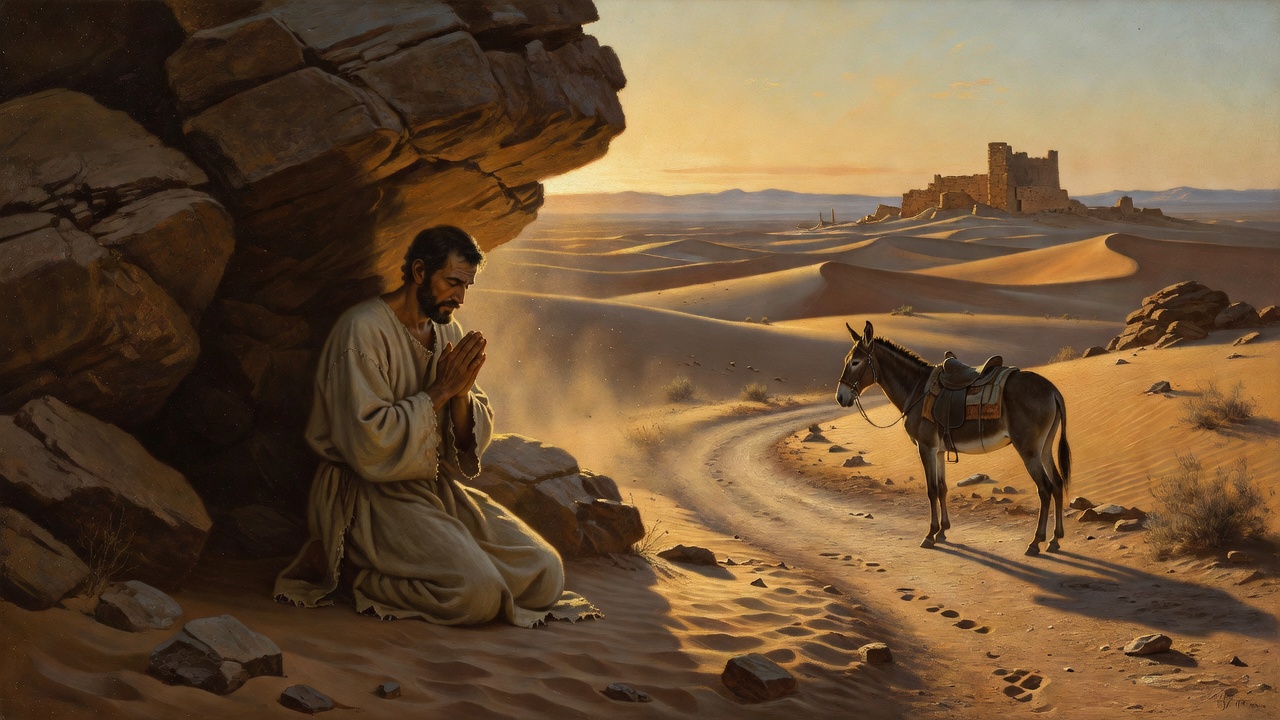
- The psalm uses the imagery of working animals, contrasting the willing follower of divine counsel with stubborn horses and mules that require a bit and bridle to be guided.Sources: the Bible text itself
Notes written with AI assistance from open sources (Theographic Bible Metadata, CC BY-SA 4.0; Easton’s Bible Dictionary, public domain) and reviewed before publishing.
Credits and license for this translation
Baibal Olcim
The Holy Bible in the Matupi Chin language of Mynmar. Matupi Chin Standard Bible
Public Domain
Language: Matupi Chin (Chin, Matu)
Published in Mynmar, which is not a signatory to international copyright treaties. Copyright may apply locally in Mynmar, where this is released under a Creative Commons Attribution Share-Alike 4.0 license.
2026-09-21
Source: http://ebible.org/hltmcsb/ · eBible.org