Proverbs 6
Baibal Olcim · Tap a verse to see its cross-references.
Tangka neh Koerhang
1Ka ca, na hui ham rhi na khang tih kholong ham na kut na tum atah, 2Na ka dongkah olthui loh n'hlaeh coeng tih na ka dongkah olthui loh n'khaih. 3Te te na saii dongah ka ca aw, na huul uh cakhaw na hui kah kut ah ni na pha hae. Te dongah cet, mawn lamtah na hui hloep laeh. 4Na mik te ih sak boeh, na mikkhu te ngam boeh. 5Kut dongkah kirhang bangla sayuep kut dongkah vaa bangla namah huul uh laeh.
Kolhnaw
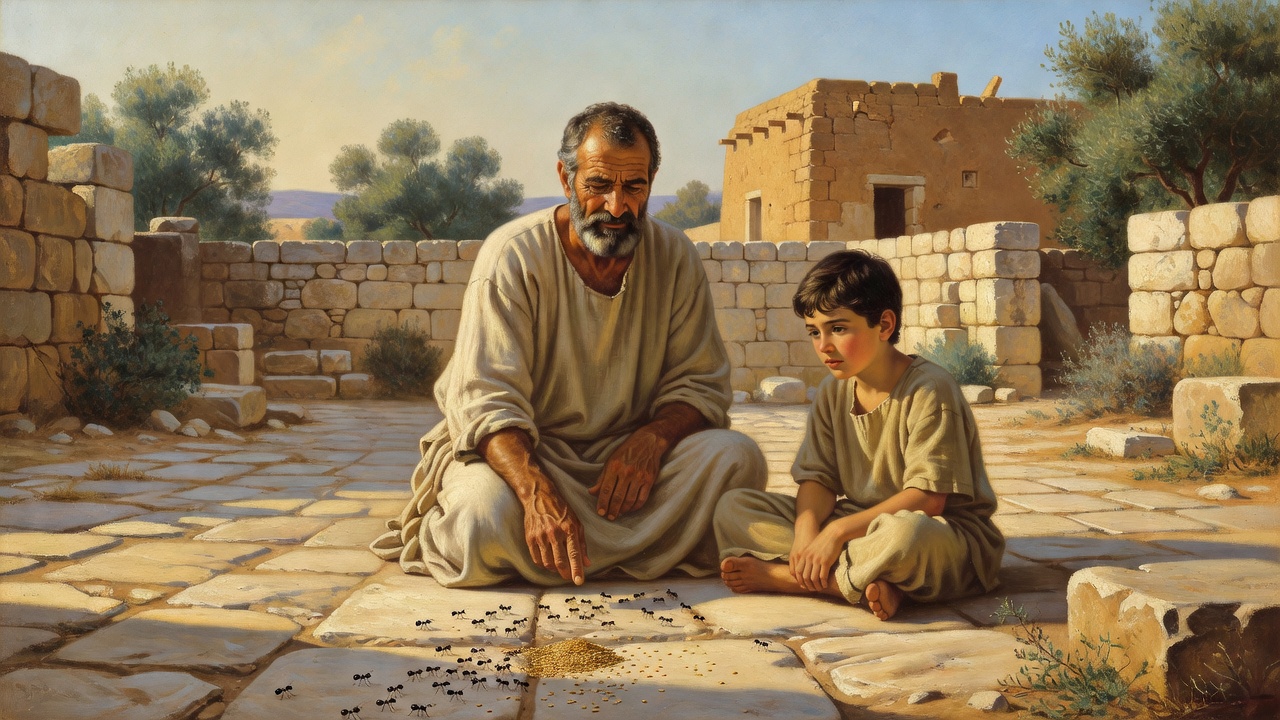
6Kolhnaw aw lunghi taengla cet lah, anih kah khosing ke hmu lamtah cueih van lah. 7A taengah rhalboei khaw, rhoiboei khaw, aka taemrhai ham khaw om mai pawh. 8Khohal ah a buh te a soepsoei tih cangah ah a caak te a yoep. 9Kolhnaw aw me hil nim na yalh vetih na ih lamloh me vaengah nim na thoh ve? 10Bet ih, bet ngam, kut poem bet neh na yalh. 11Te vaengah na khodaeng te aka cet paitai bangla, na tloelnah loh photling aka bai hlang bangla ha pawk ni.
Hlang Muen
12Aka muen hlang neh boethae hlang tah a ka dongkah olhmaang nen ni a pongpa. 13A mik neh a mikhip, a kho neh a thui, a kutdawn neh a thuinuet. 14A lungbuei kah a calaak neh a tuetang takuem ah boethae bueng a paem tih, tingtoehnah neh hohmuhnah a khuen. 15Te dongah amah kah rhainah loh buengrhuet a thoeng thil vetih hoeihnah om kolla khaem pahoi ni.
Boeipa kah A hmuhuet
16He parhuk he BOEIPA loh a thinah tih a hinglu dongah tueilaehkoi khuikah tueilaehkoi parhih tah. 17A honghi lai aka ludoeng kah a mik, ommongsitoe kah thii aka long sak kah a kut, 18Boethae kopoek aka paem lungbuei, boethae dongla aka yong paitok kho, 19A hong kah laipai loh laithae ol a sat tih pacaboeina lakli ah tingtoehnah la a khuen.
Samphaih Rhalrhing
20Ka ca, na pa kah olpaek te kueinah lamtah na nu kah olkhueng phap sut boeh. 21Na lungbuei ah rhawp hlaengtang lamtah na rhawn ah rhawp laikoeinah lah. 22Na caeh vaengah nang m'mawt vetih na yalh vaengah nang te n'tawt ni, na haenghang vaengah nang n'lolmang puei ni. 23Olpaek tah hmaithoi ni, olkhueng khaw vangnah ni, thuituennah dongkah toelthamnah khaw hingnah longpuei ni. 24Huta thae taeng lamkah neh kholong nu ol hnal lamloh nang aka ngaithuen ham ni. 25A sakthen te na thinko nen khaw nai boeh, a mikkhu neh nang te n'hloih boel saeh. 26Pumyoi nu tah buh hluem ham ni, tedae hlang yuu loh hinglu phutlo khaw a hoem. 27Hlang kah a rhang dongah hmai a poep lalah a himbai te hoeh mahpawt a? 28Hlang pakhat te hmai-alh dongah a caeh lalah a kho te duih mahpawt a? 29A hui kah yuu te aka kun thil tih aka ben tah pakhat khaw hmil tangloeng mahpawh. 30A hinglu kah a lamlum dip sak hamla a huen atah hlanghuen te hlang loh hnoelrhoeng mahpawt a? 31A hmuh uh atah a pueh parhih la a sah saeh lamtah a im kah a boei a rhaeng te boeih a phai saeh. 32Lungbuei aka talh huta tah samphaih, a hinglu aka phae long ni te te a saii. 33Tlohtat neh yah a dong vetih anih kokhahnah te hmata mahpawh. 34Phulohnah khohnin ah a va kah kosi neh thatlainah dongah lungma ti mahpawh. 35A mikhmuh kah tlansum pakhat khaw khuen pah pawt vetih kapbaih yet cakhaw huem pah mahpawh.
Did you know?
Warnings Against Traps, Laziness, and Discord
- The phrase striking hands refers to a gesture used to make a legal or financial pledge. The passage warns that taking on surety for another person can ensnare someone, advising immediate action without sleep to free oneself like a hunted gazelle or bird.Sources: the Bible text itself
- The text points to the ant as a model of wisdom and self-directed labor because it stores food during the summer and harvest without needing a commander, overseer, or ruler.Sources: the Bible text itself
- The passage uses a graded numerical formula, listing six things the Lord hates and seven that are detestable, systematically condemning arrogance, deceit, violence, malice, false testimony, and the stirring of discord.Sources: the Bible text itself
Notes written with AI assistance from open sources (Theographic Bible Metadata, CC BY-SA 4.0; Easton’s Bible Dictionary, public domain) and reviewed before publishing.
Credits and license for this translation
Baibal Olcim
The Holy Bible in the Matupi Chin language of Mynmar. Matupi Chin Standard Bible
Public Domain
Language: Matupi Chin (Chin, Matu)
Published in Mynmar, which is not a signatory to international copyright treaties. Copyright may apply locally in Mynmar, where this is released under a Creative Commons Attribution Share-Alike 4.0 license.
2026-09-21
Source: http://ebible.org/hltmcsb/ · eBible.org