Micah 6
Baibal Olcim · Tap a verse to see its cross-references.
Judah kah Tuituknah
1BOEIPA loh a thui te hnatun uh laeh. Thoo tlang te ho laeh. Na ol te som long khaw ya saeh. 2Tlang rhoek neh diklai yung cak loh BOEIPA kah tuituknah te hnatun saeh. BOEIPA kah tuituknah he a pilnam taeng neh Israel taengah a thui coeng. 3Ka pilnam nang taengah balae ka saii tih nang te metlam kang ngae? Kamah taengah thui lah. 4Nang te Egypt kho lamloh kang khuen tih sal rhoek imkhui lamloh nang kan lat. Na mikhmuh ah Moses, Aaron neh Miriam kan tueih. 5Ka pilnam aw, Moab manghai Balak loh a uen te khaw, Beor capa Balaam loh anih a doo te poek uh laeh. Te daengah ni Shittim lamloh Gilgal duela BOEIPA kah duengnah a ming. 6Ba nen lae BOEIPA ka doe vetih hmuensang Pathen taengah ka duengyai eh. Amah te hmueihhlutnah neh, sael kum khat ca nen a ka doe eh? 7BOEIPA loh tutal thawngkhat neh, situi soklong thawngrha nen khaw a moeithen aya? Ka caming te ka boekoeknah dongah, ka bungko thaihtae te ka hinglu kah tholhnah dongah ka paek thai aya? 8Hlang nang taengah melae aka then, nang kah te BOEIPA loh balae a toem ti khaw, tiktamnah te rhep saii ham khaw, sitlohnah te lungnah ham khaw, na Pathen taengah kodo la pongpa ham khaw ha puen coeng.
Laitloeknah
9BOEIPA ol tah khopuei taengah pang coeng. Lungming cueihnah tah na ming te a hmuh. Hnatun uh lah, caitueng neh unim a tuentah coeng? 10Halang im neh halangnah thakvoh te hlihloeh tih cangnoek pawtrhawt te kosi a hong thil pueng aya? 11Halangnah cooi ham neh hlangthai palat kah coilung sungsa te ka cim sak aya? 12A hlanglen rhoek kongah kuthlahnah cung uh tih a khuikah khosa rhoek loh a honghi a thui uh. A ol tah a ka ah palyal uh mai. 13Te dongah nang ngawn ham neh na tholhnah dongah nang pong sak ham kai loh kantloh sak. 14Na caak akhaw na hah hae pawt vetih na pongnah he na ko khuiah om ni. Na balkhong dae na loeih hae mahpawh. Na loeih cakhaw cunghang taengla ka paek ni. 15Na tuh dae na at mahpawh. Olive te na neet cakhaw situi na hluk hae mahpawh. Misur thai na khueh akhaw misurtui na o mahpawh. 16Omri kah khosing neh Ahab imkhui kah khoboe boeih te a dawn coeng. Amih kah cilkhih dongah na pongpa uh. Te dongah ni kai loh nang te imsuep la kang khueh. Tedae rhoek khosa rhoek kah thuithetnah neh ka pilnam kah kokhahnah ni na phueih uh eh.
Did you know?
The Lord's Lawsuit and True Requirements
- The chapter opens as a legal covenant dispute where God calls the mountains and foundations of the earth to stand as witnesses against Israel. God reminds the people of his faithfulness in delivering them from Egypt under Moses, Aaron, and Miriam, and protecting them from Balak of Moab through Balaam during their journey from Shittim to Gilgal.Sources: the Bible text itself · Miriam · Balak · Balaam
- The text contrasts extreme outward sacrifices—such as offering thousands of rams, torrents of olive oil, or even child sacrifice—with what God genuinely requires. True devotion is defined simply as acting justly, loving mercy, and walking humbly with God.Sources: the Bible text itself
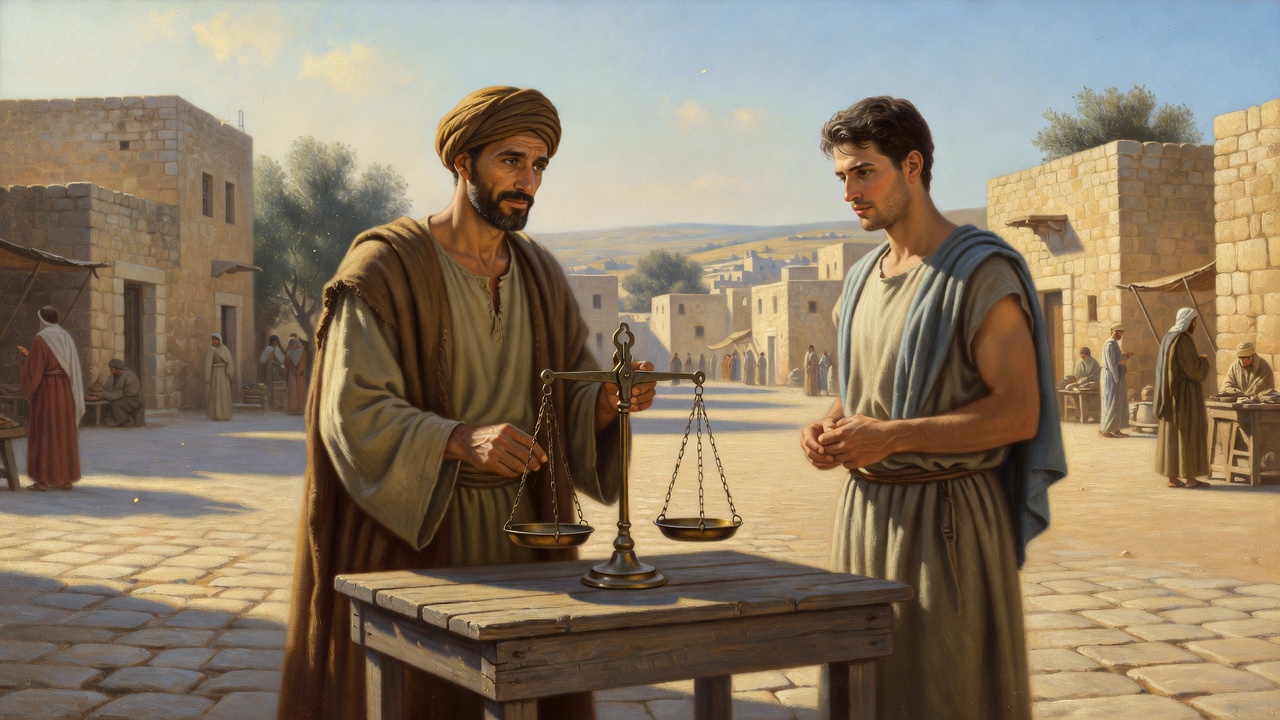
- Micah denounces urban economic injustice, explicitly condemning dishonest merchants who used false weights, deceptive scales, and short ephahs. He warns that following the corrupt statutes and practices associated with northern kings Omri and Ahab will bring devastation and public contempt.Sources: the Bible text itself · Omri · Ahab
Notes written with AI assistance from open sources (Theographic Bible Metadata, CC BY-SA 4.0; Easton’s Bible Dictionary, public domain) and reviewed before publishing.
Places in this chapter
- Egypt · 30.129, 31.308 · verse 4
- Moab · Today: Moab 1 · 31.181, 35.701 · verse 5
- Jerusalem · 31.777, 35.234 · verse 9
Only places identified with high confidence are shown (90% or more according to the scholarly sources compiled by OpenBible). Period map: DARE (Digital Atlas of the Roman Empire), CC BY 4.0; modern map: © OpenStreetMap contributors; places: OpenBible.info (CC BY 4.0).
Credits and license for this translation
Baibal Olcim
The Holy Bible in the Matupi Chin language of Mynmar. Matupi Chin Standard Bible
Public Domain
Language: Matupi Chin (Chin, Matu)
Published in Mynmar, which is not a signatory to international copyright treaties. Copyright may apply locally in Mynmar, where this is released under a Creative Commons Attribution Share-Alike 4.0 license.
2026-09-21
Source: http://ebible.org/hltmcsb/ · eBible.org