Malachi 4
Baibal Olcim · Tap a verse to see its cross-references.
Boeipa kah Khohnin
1Khohnin akapai tahhmaiulh bangla alh ngawn coeng he. Tedongah thinlen boeih neh halangnah akasaii boeih tahdivawt banglaom vetih khohnin akapai lohamih te a hlawp ni. Caempuei BOEIPA loh a thui bangla amih te a yung lamloh a hlaeng khawhnawt mahpawh. 2Tedae ka ming akarhih nangmih ham tahduengnah khomik thoeng ni. Tevaengah a phae dongkah hoeihnah neh cet vetih tesael-im kahsaelca bangla napet uh ni. 3“Ka saii khohnin ah tahhalang rhoek te naneet uh vetihna kho dongkahkhopha hmui ah hmaiphu la om ni,” tilacaempuei BOEIPA loh a thui.
Hnukkhueng kah Ngaithuennah
4Ka sal Moses kaholkhueng poek uh. Te teIsrael boeih kaholtlueh neh laitloeknah ham niHoreb ah anih te kauen. 5BOEIPA kahrhihom khohnin puei a pai tom ah tonghma Elijah te nangmih taengla kan tueih coeng he. 6Tedongah pa rhoek kahlungbuei ca rhoektaengla, ca rhoek kahlungbuei a napa taengla a mael puei ni. Kacet tih khohmuen te yaehtaboeih la kangawn tarhave.
Did you know?
The Day of the Lord and the Promise of Elijah
- Malachi calls on Israel to remember the law given to Moses at Mount Horeb. Horeb is a biblical name for the mountainous range where Mount Sinai stands, the site where the Israelites encamped and received divine statutes and ordinances.Sources: the Bible text itself · Horeb · Moses
- The passage concludes with the promise that Elijah the prophet will be sent before the great Day of the Lord to reconcile parents and children. In the biblical narrative, Elijah was a prophet from Tishbe who delivered messages during the reign of King Ahab.Sources: the Bible text itself · Elijah
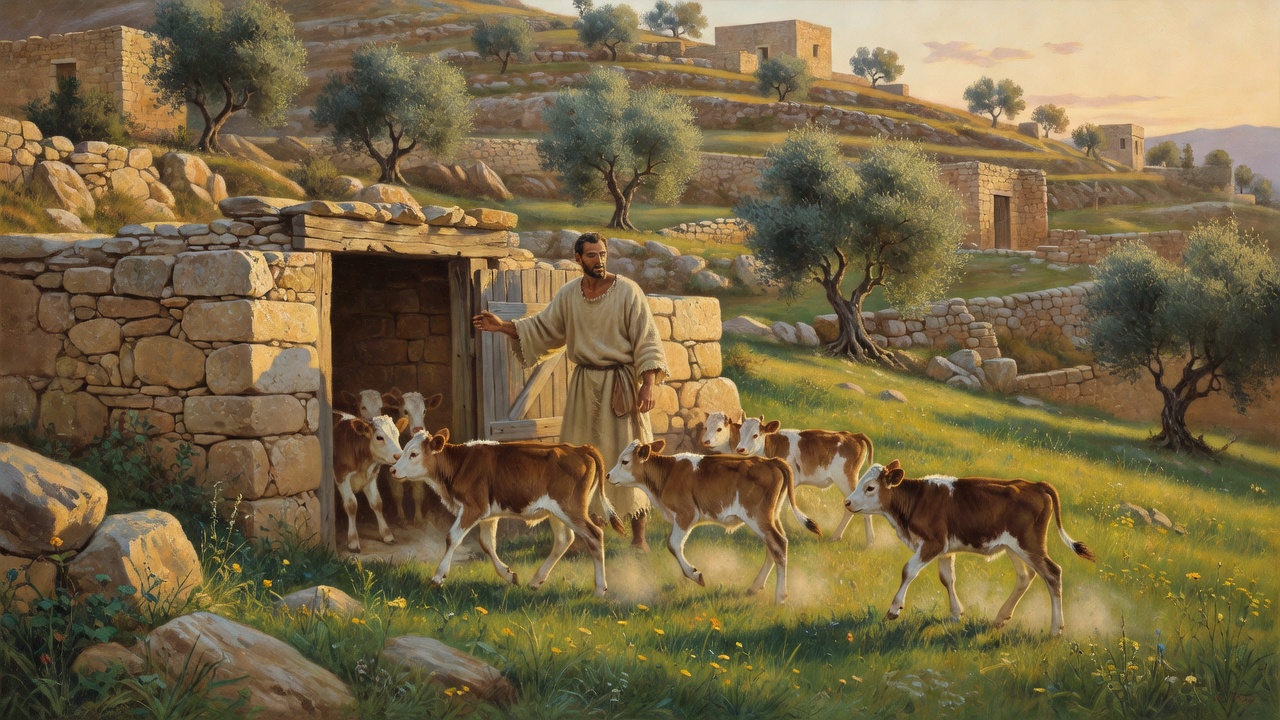
- Malachi uses vivid agricultural imagery to describe the coming judgment and restoration, contrasting evildoers reduced to dry stubble in a fire with the faithful, who are pictured leaping with joy like calves let out of a stall.Sources: the Bible text itself
Notes written with AI assistance from open sources (Theographic Bible Metadata, CC BY-SA 4.0; Easton’s Bible Dictionary, public domain) and reviewed before publishing.
Places in this chapter
- Mount Horeb · Today: Jebel Musa · 28.540, 33.973 · verse 4
Only places identified with high confidence are shown (90% or more according to the scholarly sources compiled by OpenBible). Period map: DARE (Digital Atlas of the Roman Empire), CC BY 4.0; modern map: © OpenStreetMap contributors; places: OpenBible.info (CC BY 4.0).
Credits and license for this translation
Baibal Olcim
The Holy Bible in the Matupi Chin language of Mynmar. Matupi Chin Standard Bible
Public Domain
Language: Matupi Chin (Chin, Matu)
Published in Mynmar, which is not a signatory to international copyright treaties. Copyright may apply locally in Mynmar, where this is released under a Creative Commons Attribution Share-Alike 4.0 license.
2026-09-21
Source: http://ebible.org/hltmcsb/ · eBible.org