Job 20
Baibal Olcim · Tap a verse to see its cross-references.
Zophar Ol
1Te phoeiah Naamathi Zophar loh a doo tih, 2“Te dongah ka pomnah kai n'thuung tih kamah khuiah ka tawn uh coeng dongah ni. 3Ka thuituennah he mingthae la ka yaak dongah ka yakmingnah dongah mueihla loh kai n'doo. 4Suen lamloh diklai dongah hlang a khueh parhi te na ming a? 5Halang kah omngaih laa tah yoei tih lailak kah kohoenah khaw mikhaptok hil mai ni. 6A thinlennah te vaan duela cet tih a lu loh khomai duela puet cakhaw, 7a aek bangla a yoeyah la milh vetih anih aka hmu rhoek loh, “Anih ta?” a ti uh ni. 8Mang bangla a ding phoeiah tah anih te hmu uh pawh. Khoyin kah olphong bangla khum hmata. 9A mik loh a hmuh khaw rhaep mahpawh. Anih te amah hmuen ah mae voel mahpawh. 10A ca rhoek loh tattloel rhoek te a moeithen uh tih a kut loh a thahuem te a mael uh. 11A rhuh tah a cacawn rhoek bangla hah uh dae a cacawn rhoek khaw amah neh laipi dongah ni a. yalh eh. 12A ka dongah tui mai cakhaw boethae te a lai hmui ah a thuh. 13Te te a hnaih tih a toeng pawt dongah a ka khui la a ma-uem. 14A bung khuikah a buh te a khui ah minta sue la poeh ni. 15Khuehtawn a dolh vaengah a bung khui lamloh lok vetih anih te Pathen loh a talh ni. 16Minta sue loh a khut vetih rhulthae lai loh amah a ngawn ni. 17Soklong, tuiva neh khorha kah khoitui neh suknaeng te hmuh mahpawh. 18Thatloh phu te a thuung akhaw a hnothung kah thadueng bangla a dolh pawt dongah yoka pawh. 19tattloel te a neet phoeiah amah loh a sak mueh im te a hnoo sak tih a rawth pah. 20A bungko lamkah thayoeituipan te ming pawt tih a nai nen khaw loeih pawh. 21A caak ham caknoi om pawh. Te dongah a thennah poem hae mahpawh. 22A khuehtawn neh a hah vaengah anih te a daengdaeh vetih thakthaekung kah kut boeih te anih soah thoeng ni. 23Anih bung hah sak ham a taengah amah kah thintoek thinsa a tueih pah vetih a buhcak te anih soah a tlan sak. 24Thicung lungpok haica lamloh yong dae anih te rhohum lii loh a kah. 25A yueh vaengah a pumpu lamloh a pawlh pah. Te vaengah a hmuet khui lamkah mueirhih te amah soah rhaek la a caeh pah ni.
26Hmaisuep cungkuem te khoem hamla a tung. A hmuh mueh hmai loh anih te a hlawp vetih a dap kah rhaengnaeng khaw a talh pah ni. 27Anih kathaesainah te vaan loh a hliphen uh vetih diklai loh amah taengah a tai pah ni. 28A thintoeknah hnin ah tah a im kah cangpai khaw a poelyoe pah vetih a hawk pah ni. 29Halang hlang loh tebang khoyo te Pathen taeng lamkah a dang tih Pathen loh a ol rho la a khueh pah,” a ti.
Did you know?
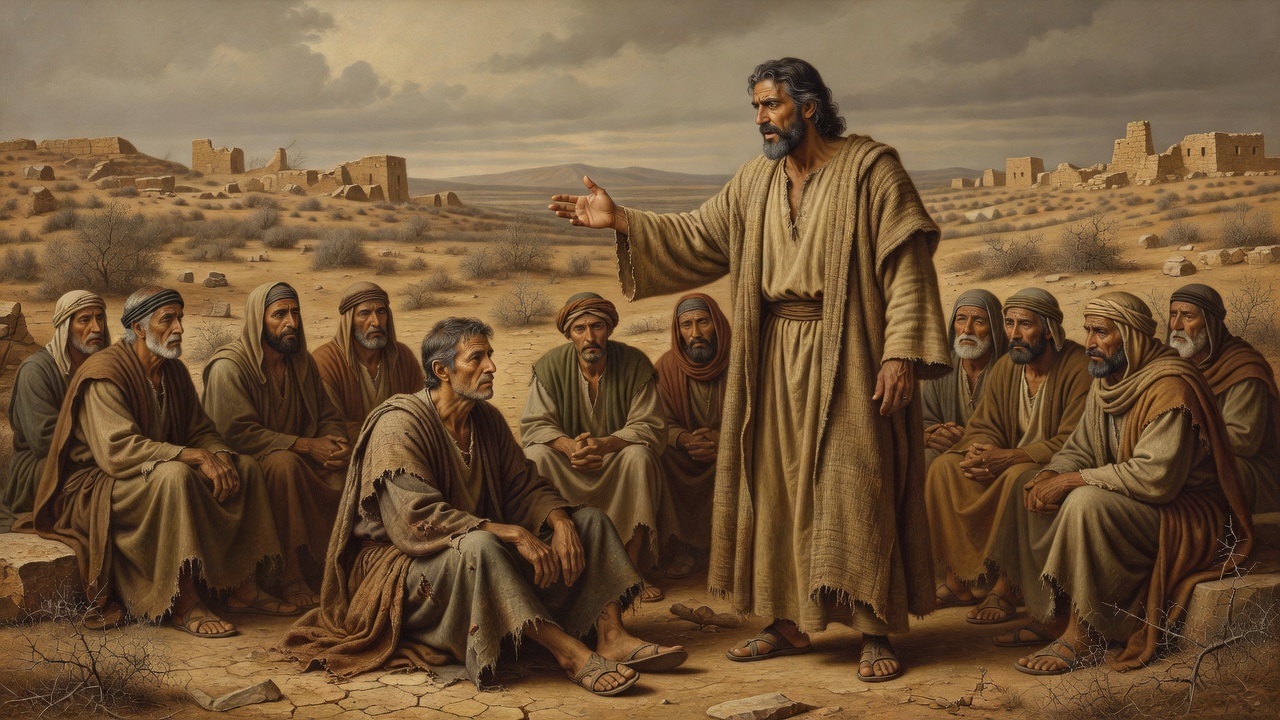
Zophar on the Fate of the Wicked
- Zophar is identified as a Naamathite, pointing to an otherwise unknown location named Naamah. In the ancient Greek Septuagint translation of the Hebrew Scriptures, he is described as a king of the Mineans or Maonites from southern Arabia.Sources: Zophar · the Bible text itself
- In his speech, Zophar uses metaphors of digestion and venom, asserting that ill-gotten wealth turns into the poison of vipers and cobras within the stomach of the wicked person.Sources: the Bible text itself
- Zophar also incorporates military imagery from the ancient world, describing a fleeing transgressor escaping an iron weapon only to be struck down by a bronze-tipped arrow.Sources: the Bible text itself
Notes written with AI assistance from open sources (Theographic Bible Metadata, CC BY-SA 4.0; Easton’s Bible Dictionary, public domain) and reviewed before publishing.
Credits and license for this translation
Baibal Olcim
The Holy Bible in the Matupi Chin language of Mynmar. Matupi Chin Standard Bible
Public Domain
Language: Matupi Chin (Chin, Matu)
Published in Mynmar, which is not a signatory to international copyright treaties. Copyright may apply locally in Mynmar, where this is released under a Creative Commons Attribution Share-Alike 4.0 license.
2026-09-21
Source: http://ebible.org/hltmcsb/ · eBible.org