Hosea 2
Baibal Olcim · Tap a verse to see its cross-references.
1Na manuca rhoek te, 'Ka pilnam, na ngannu rhoek te 'Kan haidam 'ti nah.
Israel kah Cukhalhnah
2Na nu te ho rhoe ho laeh. Anih te kai yuu pawt tih kai khaw a va moenih. A pumyoihnah te a mikhmuh lamloh, a samphainah a rhangsuk laklo lamkah khoe laeh saeh. 3Anih te pumtling la ka hlik vetih a thang hnin kah bangla amah ka khueh tarha ve. Anih te khosoek bangla ka khueh vetih rhamrhae khohmuen la ka khueh phoeiah tuihalh neh ka duek sak ni. 4Amih pumyoi ca rhoek mai te, a ca rhoek te khaw ka haidam mahpawh. 5A manu te cukhalh pai tih amih a yom te yak. Ka buh, ka tui, ka tumul, ka hlamik, ka situi neh ka tuiok aka pae ka lungnah hnukah ni ka caeh eh?,” a ti. 6Te dongah kamah loh a longpuei te hling neh ka buk pah. A vongtung te ka biing pah vetih a hawn hmu voel mahpawh. 7A lungnah rhoek te a hloem dae amih te kae mahpawh. Amih te a tlap akhaw hmu mahpawh. Te vaengah, “Ka cet vetih lamhma kah ka va taengah ka mael ni. Kai hamla tah then ngai mai coeng. 8Kai loh anih taengah cangpai, misur thai, situi khaw ka paek tih anih soah cak khaw ka kum sak dae sui te Baal hamla a khueh uh. 9Te dongah amah tue vaengah ka cangpai neh a khoning vaengkah ka misur thai te ka lat pah vetih ka loh pah ni. A yah a khuk nah ka tumul neh ka hlamik khaw ka lat ni. 10Te phoeiah a yah te a hlang ngaih mikhmuh ah ka poelyoe pah pawn vetih hlang loh anih te ka kut lamkah huul thai mahpawh. 11A omthennah, a khotue, a hlasae neh a Sabbath khaw, a tingtunnah boeih khaw boeih ka paa sak ni. 12A misur neh a thaibu khaw ka pong sak ni. “Te rhoek te kamah kah pumyoih phu la ka hlang ngaih rhoek loh kai taengah m'paek uh,” a ti. Te cakhaw te te duup la ka khueh vetih kohong mulhing loh a caak ni. 13Amih taengah a phum bangla Baal kah khohnin khaw anih taengah ka cawh ni. A hnaii neh a hnaphaa a thawn tih a hlang ngaih hnukah cet dae kai, BOEIPA kah olphong te a hnilh.
Israel Ham Khodawkngainah
14Te dongah kamah loh anih te ka hloih ni ne. Tedae amah te khosoek la pha sak phoeiah ni a lungbuei ah ka voek eh. 15Te lamloh a misurdum te amah taengla ka paek vetih Akor kol te ngaiuepnah thohka la om ni. Te vaengah a camoe tue vaengkah bangla pahoi oei vetih Egypt kho lamloh a caeh hnin bangla om ni. 16BOEIP A kah olphong te a khohnin neh a pha vaengah tah ka va la nan khue vetih kai taengah, “Kai kah Baal,” la na khue voel mahpawh. 17Baal ming te a ka lamloh ka khoe pah vetih a ming te poek voel mahpawh. 18Te khohnin ah tah amih ham paipi te kohong mulhing neh, vaan kah vaa neh, diklai rhulcai neh ka saii pah ni. Diklai lamkah lii, cunghang neh caemtloek te ka bawt sak vetih amih te ngaikhuek la ka yalh sak ni. 19Nang te kamah ham kumhal duela kam bae vetih duengnah neh, tiktamnah neh, sitlohnah neh, haidamnah neh nang te kamah hamla kam bae ni. 20Nang te kamah hamla uepomnah neh kam bae van daengah ni BOEIPA te na ming eh. 21Te khohnin te a pha vaengah BOEIPA kah olphong te ka doo vetih vaan te khaw ka doo ni. Amih long khaw diklai te a doo uh ni. 22Diklai long khaw cangpai misur thai neh situi te a doo vetih amih loh Jezreel te a doo ni. 23Anih te kamah hamla lohma ah ka soem vetih a haidam pawt te ka haidam ni. Nang Laomi te ka pilnam ka ti vetih anih long khaw ka Pathen a ti ni.
Did you know?
Judgment and Restoration
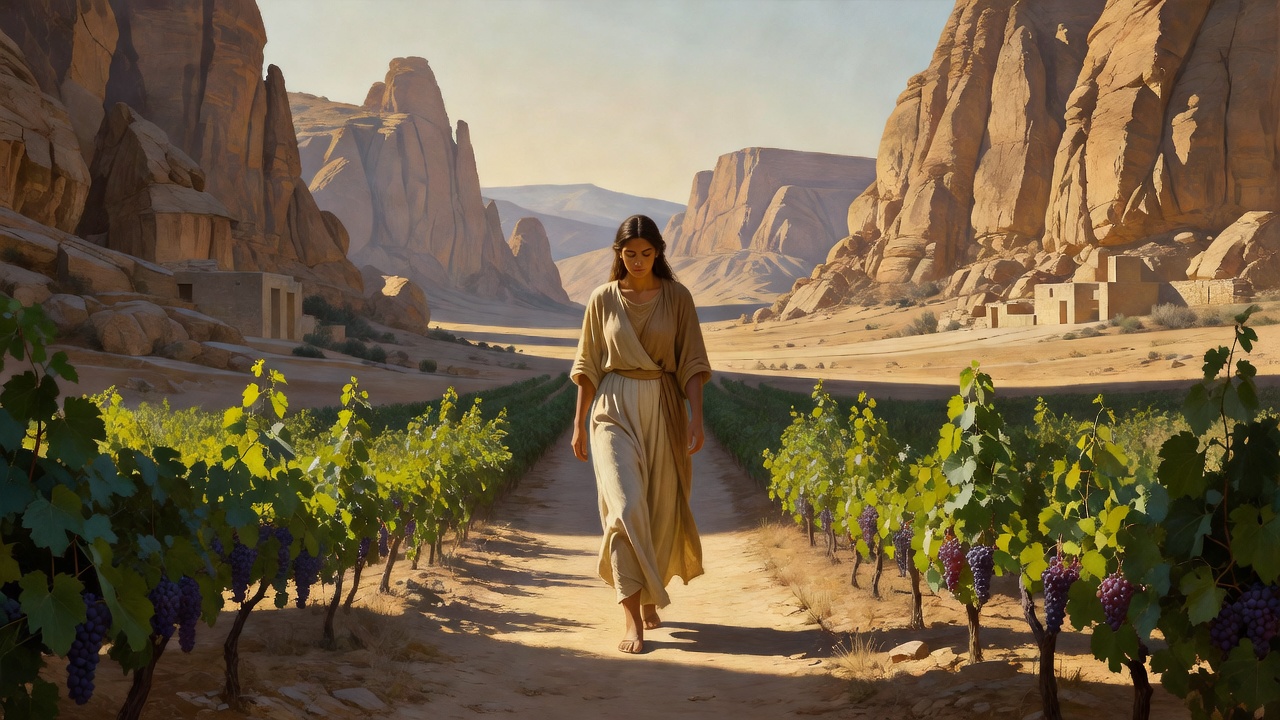
- The Valley of Achor, located near Jericho, derived its name from the trouble caused by the sin of Achan in the book of Joshua. Hosea uses this proverbial site of calamity to promise that a place of past disaster will be transformed into a gateway of hope.Sources: Valley of Achor · the Bible text itself
- Baal was the chief male deity of the Phoenicians, whose worship had become widespread among the northern tribes of Israel. Hosea challenges the belief that agricultural provisions such as grain, wine, oil, and wool came from Baal, declaring instead that they were gifts from the LORD.Sources: Baal · the Bible text itself
- The chapter announces a reversal of the symbolic names of judgment given to the children earlier in the book. Those named No Compassion are promised mercy, and those called Not My People are once again recognized as God's people in a restored covenant.Sources: the Bible text itself
Notes written with AI assistance from open sources (Theographic Bible Metadata, CC BY-SA 4.0; Easton’s Bible Dictionary, public domain) and reviewed before publishing.
Places in this chapter
- Egypt · 30.129, 31.308 · verse 15
Only places identified with high confidence are shown (90% or more according to the scholarly sources compiled by OpenBible). Period map: DARE (Digital Atlas of the Roman Empire), CC BY 4.0; modern map: © OpenStreetMap contributors; places: OpenBible.info (CC BY 4.0).
Credits and license for this translation
Baibal Olcim
The Holy Bible in the Matupi Chin language of Mynmar. Matupi Chin Standard Bible
Public Domain
Language: Matupi Chin (Chin, Matu)
Published in Mynmar, which is not a signatory to international copyright treaties. Copyright may apply locally in Mynmar, where this is released under a Creative Commons Attribution Share-Alike 4.0 license.
2026-09-21
Source: http://ebible.org/hltmcsb/ · eBible.org