Ecclesiastes 4
Baibal Olcim · Tap a verse to see its cross-references.
1Ka mael tih khomik hmuikah a hnaemtaek rhoek boeih te ka sawt. Te te khomik hmuiah a saii uh tih a hnaemtaek rhoek kah mikphi aih ke, amih aka hloep ham khaw om pawh. Aka hnaemtaek rhoek kah kut ah tah a thadueng om tih a haemtaek rhoek te aka hloep om pawh. 2Kai tah aka hing pueng amih hlang hing rhoek lakah aka duek tangtae hlang duek rhoek te ka domyok sak mai. 3Te rhoi lakah khaw, aka om hlan neh khomik hmuikah khoboe thae a saii aka hmuh pawt te then duen.
Khuetawn neh Ngaihak Om
4Thakthaenah cungkuem neh bibi thoemthainah cungkuem khaw ka hmuh coeng. Te dongah hlang loh a hui taengkah thatlainah he khaw a honghi neh khohli doinah mai ni. 5Aka ang loh a kut te a poem tih amah saa te a caak. 6thakthaenah neh khohli doinah kutnarhum a bae lakah kutvang dongkah aka bae mongnah he then ngai. 7Ka mael vaengah he khomik hmuiah a honghi ni ka hmuh. 8Hlang he pakhat bueng om tih a pabae a om moenih. Capa neh manuca khaw a taengah a om moenih. Te dongah a thakthaenah cungkuem dongah a bawtnah om pawh. A mik, a mik ah khuehtawn khaw hah pawh. U ham nim thakthaenah ka om tih, hnothen lamloh ka hinglu he a vaitah? He khaw a honghi neh boethae bibi coeng ni. 9Pakhat lakah panit he then, amih ham tah a thakthaenah dongah khaw thapang then om coeng. 10Cungku rhoi cakhaw pakhat loh a hui te a thoh. Tedae amah pakhat bueng ki aka cungku te khomap coeng tih anih aka thoh ham koep om pawh. 11Panit a yalh rhoi vaengah tah amah rhoi khaw bae dae pakhat tah metlam a bae eh? 12Anih te khat khat loh khulae mai cakhaw a taengah ah panit la pai rhoi thai. Rhuihet pathum a yaep tah a yoei la a pat moenih. 13Khodaeng dae aka cueih camoe he patong tih aka ang manghai lakah then. Anih te koep thuituen ham khaw a ming moenih. 14A pin nah im lamloh manghai taengla aka pawk khaw, a ram ah khodaeng la a cun khaw amah boeiloeih. 15Khomik hmuiah aka pongpa mulhing boeih tah manghai yueng la aka pai camoe pabae taengah a pai te ka hmuh. 16Pilnam boeih ham te a bawtnah om pawh. Amah te cungkuem taengah a hmai la a om pah dae lamhnuk rhoek loh anih taengah ko a hoe uh moenih. He khaw a honghi neh khohli dongkah kohnek mai ni.
Did you know?
Oppression, Companionship, and Fleeting Acclaim
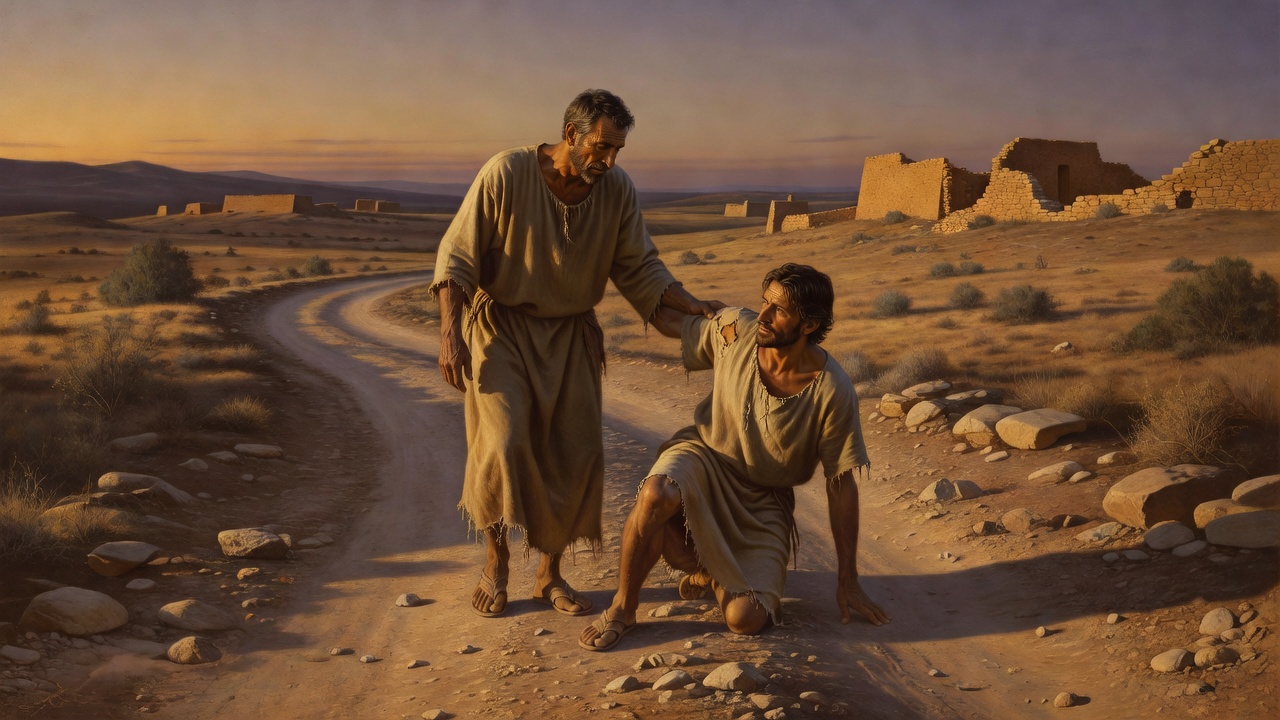
- Ecclesiastes highlights the practical value of companionship in daily life, explaining that two workers achieve a better return on their labor, can help each other up after a fall, provide shared warmth when lying down, and resist attackers together.Sources: the Bible text itself
- The passage contrasts the misery of solitary toil with the peacefulness of moderation, noting that some hoard wealth endlessly despite having no companion, son, or brother with whom to share it.Sources: the Bible text itself
- The text illustrates the fleeting nature of political fame through the figure of a poor, wise youth who rises from prison to replace an unteachable king, gaining massive popularity that is later forgotten by future generations.Sources: the Bible text itself
Notes written with AI assistance from open sources (Theographic Bible Metadata, CC BY-SA 4.0; Easton’s Bible Dictionary, public domain) and reviewed before publishing.
Credits and license for this translation
Baibal Olcim
The Holy Bible in the Matupi Chin language of Mynmar. Matupi Chin Standard Bible
Public Domain
Language: Matupi Chin (Chin, Matu)
Published in Mynmar, which is not a signatory to international copyright treaties. Copyright may apply locally in Mynmar, where this is released under a Creative Commons Attribution Share-Alike 4.0 license.
2026-09-21
Source: http://ebible.org/hltmcsb/ · eBible.org