Amos 4
Baibal Olcim · Tap a verse to see its cross-references.
Khosaknah neh Mueihla Rhongingnah
1He ol he Bashan vaitonu rhoek loh ya uh saeh. Samaria tlang ah tattloel a hnaemtaek uh tih khodaeng te a neet uh. A boei taengah khaw, “Te hang khuen lamtah ka o uh eh,” a ti na uh . 2Ka Boeipa Yahovah loh a cimcaihnah neh a toemngam coeng. Nangmih soah khohnin ha pai coeng te. Nangmih te a hlinghang neh n'doek vetih na hmailong kah te khaw ngavaih hling neh a doek ni. 3Te phoeiah a khaepdan kah huta te tah a puut longah na cet uh vetih Harmon la m'voeih ni. He tah BOEIPA kah olphong ni. 4Bethel te kun saeh lamtah boekoek Gilgal loh boekoek hamla yet saeh. Namah kah hmueih te mincang takuem ham neh namah kah parha pakhat te hnin thum ah vai khuen uh. 5Uemonah te tolrhu la phum uh. moeihoeihnah te pang puei uh lamtah yaak sak. Te dongah Israel ca rhoek te lungnah uh. He tah ka Boeipa Yahovah kah olphong ni.
Pathen kah Khoboe neh Israel kah Hnukpohnah
6Kai long khaw nangmih te na khopuei takuem ah no cimnah kam paek tih na hmuen takuem ah buh dongah vaitahnah om dae kai taengla na mael uh moenih. He tah BOEIPA kah olphong ni. 7Nangmih ham tah khonal te cangah duela hla thum koep ka hloh van. Khopuei pakhat dongah ka tlan sak dae khopuei khat dongah ka tlan sak moenih. Lo bong at dongah a tlan vaengah lo bong at dongah tlan pawt tih a soah rhae. 8Tui ok ham pataeng khopuei panit pathum te khopuei pakhat taengla a poengdoe uh coeng dongah a cung uh moenih. Tedae kai taengla na mael uh moenih. He tah BOEIPA kah olphong ni. 9Nangmih te mawn neh, dung neh muep kan ngawn coeng. Na dum neh na misur khaw, na thaibu neh na olive khaw lungmul loh a caak coeng. Tedae kai taengla na mael uh moenih. He tah BOEIPA olphong ni. 10Egypt longpuei kah bangla nangmih taengah duektahaw kan tueih coeng. Na tongpang rhoek te cunghang neh ka ngawn. Na marhang neh tamna la kang khuen tih na rhaehhmuen kah a rhongbo te na hnarhong khui la ka kun sak. Tedae kai taengla na mael uh moenih, he tah BOEIPA kah olphong ni. 11Pathen kah imrhong- Sodom neh Gomorrah bangla nangmih te kam palet tih hmai khui lamloh a yueh hmaipok bangla na om uh coeng. Tedae kai taengla na mael uh moenih. He tah BOEIPA kah olphong ni. 12Te dongah nang hamla he he ka saii ni. He he nang hamla ka saii ni. Israel nang na Pathen neh hum uh hamla sikim laeh. 13Tlang aka hlinsai tih khohli aka suen, a poeknah te hlang taengah aka phoe, khoyinnah te khothaih la aka saii, diklai hmuensang ah aka cawt kah a ming tah caempuei Pathen Yahweh pai ni.
Did you know?
Unheeded Warnings and the God of Hosts
- Amos addresses the wealthy, exploitative women of Samaria by calling them cows of Bashan. Samaria was the hilltop capital of the northern kingdom of Israel, while Bashan was a fertile region north of Gilead known for its rich pastures.Sources: the Bible text itself · Samaria · Bashan
- The prophet sarcastically invites the people to bring sacrifices and tithes to Bethel and Gilgal. Both locations had deep historical and religious importance in Israel, but had become sites of hollow religious ritual and transgression.Sources: the Bible text itself · Bethel (of Palestine) · Gilgal
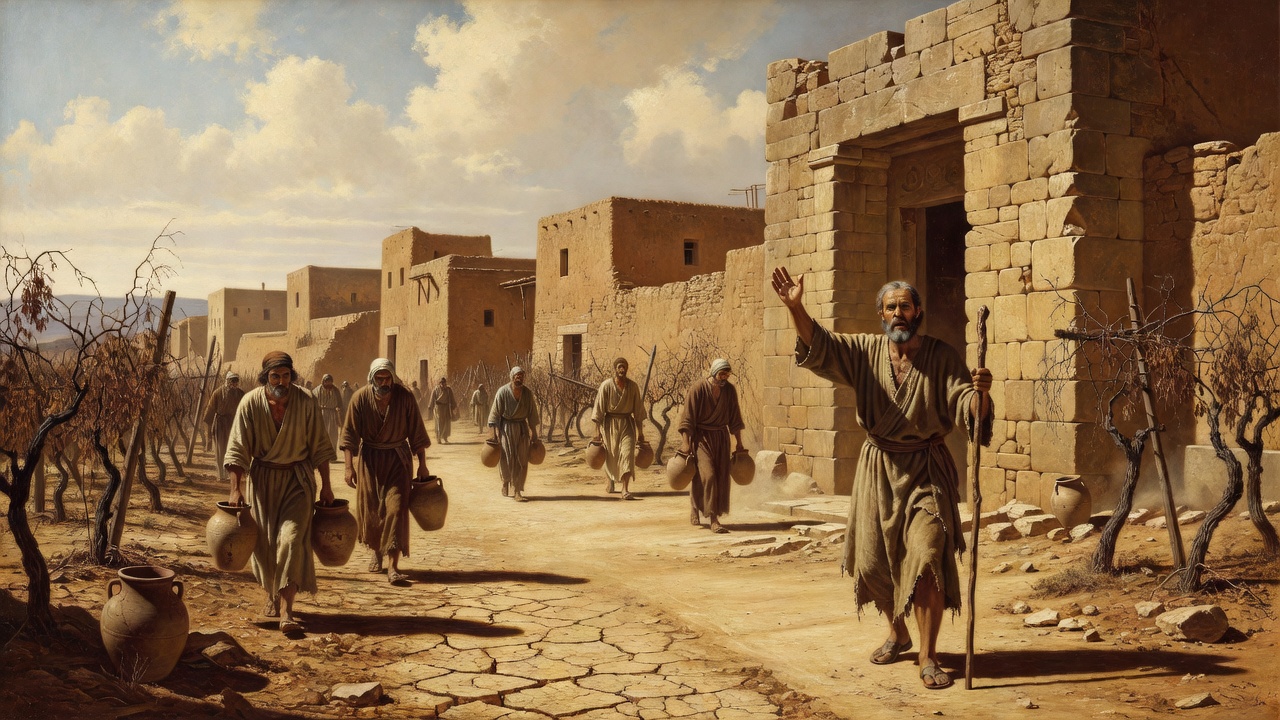
- Amos recounts a series of divine warnings through natural and military disasters, including severe drought, crop-destroying locusts, pestilence reminiscent of Egypt, and battlefield defeat. Despite each disaster, the text repeats the refrain that the people refused to return to God.Sources: the Bible text itself · Egypt
Notes written with AI assistance from open sources (Theographic Bible Metadata, CC BY-SA 4.0; Easton’s Bible Dictionary, public domain) and reviewed before publishing.
Places in this chapter
- Bashan · 32.781, 35.935 · verse 1
- Samaria · 32.276, 35.195 · verse 1
- Egypt · 30.129, 31.308 · verse 10
Only places identified with high confidence are shown (90% or more according to the scholarly sources compiled by OpenBible). Period map: DARE (Digital Atlas of the Roman Empire), CC BY 4.0; modern map: © OpenStreetMap contributors; places: OpenBible.info (CC BY 4.0).
Credits and license for this translation
Baibal Olcim
The Holy Bible in the Matupi Chin language of Mynmar. Matupi Chin Standard Bible
Public Domain
Language: Matupi Chin (Chin, Matu)
Published in Mynmar, which is not a signatory to international copyright treaties. Copyright may apply locally in Mynmar, where this is released under a Creative Commons Attribution Share-Alike 4.0 license.
2026-09-21
Source: http://ebible.org/hltmcsb/ · eBible.org