1 Peter 2
Baibal Olcim · Tap a verse to see its cross-references.
Aka Hing Lungnu neh Pilnam Cim
1Te dongah phayoenah boeih khaw, tuengkhuepnah neh thailatnah boeih khaw, uethnetnah neh olthaekaling boeih hnawt uh laeh. 2Cahni thangpaek rhoek bangla, mueihla suktui tang te ngaidam uh lah. Te daengah ni te nen te khangnah dongah na rhoeng uh eh. 3Boeipa tah kodam la na ten uh atah, 4hlang loh a hnawt coeng ngawn dae Pathen taengah a khoelh la a coelh aka hing lungnu te paan uh. 5Nangmih khaw aka hing lungto bangla a cim khosoih la om ham mueihla im te sa uh. Jesuh Khrih rhangneh Pathen taengah a uem la mueihla hmueih te khuen uh. 6Cacim khuiah a hulh coeng ta. Zion kah imkil lung te a khoelh la ka coelh tih ka tloeng ke. Te dongah anih soah aka pangtung tah yahpok loengloeng mahpawh. 7Te dongah aka tangnah nangmih tah hinyahnah om pai. Tedae hnalval rhoek aih, te lungto te aka sa loh rhoek hnawt cakhaw imkil lu la poeh. Te dongah caehkoek lung neh thangkui lungpang la poeh. 8U khaw olka aka aek long tah a tongtah ham ni tekah te khaw a khueh. 9Tedae nangmih tah a coelh namtu, mangpa khosoih, namtu cim, dangnah dongkah pilnam ni. Te daengah ni yinnah lamkah nangmih te amah kah aka khuet vangnah khuila aka khue taengah boethen na tueng eh. 10Hnukbuet kah a pilnam pawt te Pathen kah a pilnam la na om uh coeng. A rhen mueh te n'rhen coeng .
Bibi Then Ham Khuenah
11Thintlo rhoek aw, te pumsa hoehhamnah te rhael ham yinlai neh lampah bangla nangmih kan hloep. Te tah hinglu dongkah vathoh banghui la om. 12Nangmih kah omih te namtom taengah a then la khueh uh. Te daengah ni laihmu bangla nangmih n'yan vaengah khoboe then aka hmu rhoek loh hiphoelnah khohnin ah Pathen te a thangpom uh eh.
13Boeipa kongah tah suentae hlanghing boeih, tanglue manghai taengah khaw boengai uh. 14Laihmu te kutthungnah ham neh boethen te koehnah ham ni amah lamloh khoboei rhoek khaw a tueih. 15Malkoelh-maldang hlang ang rhoek paa sak ham a thensai he Pathen kah kongaih tangloeng coeng ni. 16Te dongah poenghalnah he phayoenah kah muekdahnah la om boel saeh lamtah Pathen kah sal rhoek bangla aka loeih la om uh. 17Hlang boeih te hinyah lah. Manuca te lungnah. Pathen te rhih uh lamtah manghai te hinyah uh.
Imkhut neh Imkung
18Imkhut rhoek, a cungkuem ah boengai uh lamtah boeikung te rhihnah khueh uh. Boethen neh kodo taeng bueng ah pawt tih vilvak rhoek taengah khaw birhih lah. 19Pathen kah mingcimnah kongah khat khat loh kothaenah a yook tih a patang dahlawt atah te te lungvatnah la a om pah. 20Na tholh tih m'phop vaengah na ueh uh koinih balae a uem eh? Tedae a then tih patang na ueh uh koinih ta, te ni Pathen taengah lungvatnah aka om. 21Khrih khaw nangmih ham a patang dongah ni te ham te n'khue. A kholaeh te rhoih hamla nangmih kah awtkoi la a khueh coeng. 22Anih tah tholhnah khaw saii pawt tih a ka dongah tuengkhuepnah khaw phoe pawh. 23Ol aka bai te thuung pawh. A patang vaengah hihham pawh. Tedae laitloek aka tiktam vik te a voeih uh. 24Amah loh mamih kah tholhnah te thing dongkah amah pum dongah a khuen coeng. Te daengah ni tholhnah dongah aka duek loh duengnah dongah n'hing uh eh. Amah kah boengha lamloh na hoeih uh coeng. 25Tu bangla na om uh dongah na taengphael uh. Tedae tudawn neh na hinglu hiphoelkung taengla na bal uh coeng.
Did you know?
Living Stones and a Chosen People
- This chapter quotes Scripture about a chosen and precious cornerstone laid in Zion: the one who believes in him will never be put to shame. Zion was the south-eastern hill of Jerusalem, one of the heights on which the city was built, surrounded on every side except the north by deep valleys.Sources: the Bible text itself · Zion
- David took Zion from the Jebusites, built a citadel and a palace there, and the hill became known as the city of David. The letter uses that place-name when it quotes Scripture about a cornerstone laid in Zion, and it pictures the readers as living stones being built into a spiritual house and a holy priesthood.Sources: Zion · the Bible text itself
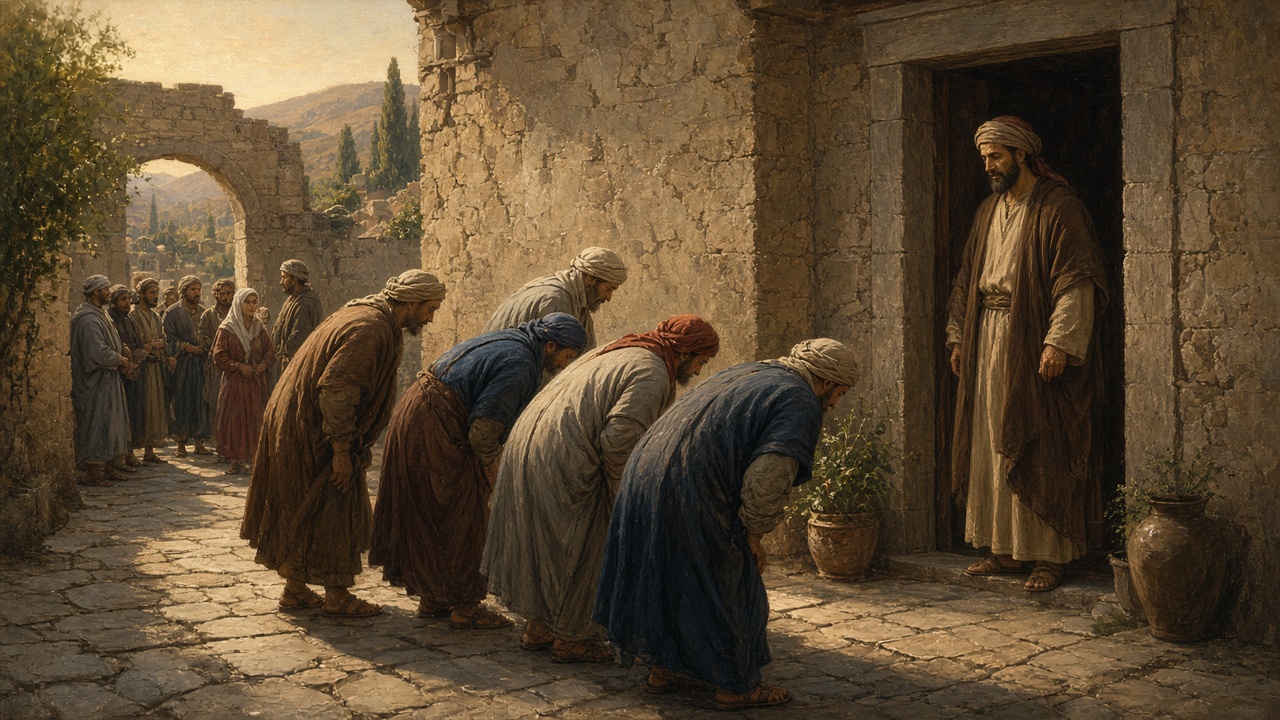
- The chapter urges submission, for the Lord’s sake, to every human institution—to the king as supreme authority and to governors sent to punish wrong and praise what is right. It tells servants to respect even unreasonable masters, and it holds up Christ’s suffering, without sin, deceit, threats, or retaliation, as the pattern for enduring unjust pain.Sources: the Bible text itself
Notes written with AI assistance from open sources (Theographic Bible Metadata, CC BY-SA 4.0; Easton’s Bible Dictionary, public domain) and reviewed before publishing.
Places in this chapter
- Zion · Today: Jerusalem · 31.777, 35.234 · verse 6
Only places identified with high confidence are shown (90% or more according to the scholarly sources compiled by OpenBible). Period map: DARE (Digital Atlas of the Roman Empire), CC BY 4.0; modern map: © OpenStreetMap contributors; places: OpenBible.info (CC BY 4.0).
Credits and license for this translation
Baibal Olcim
The Holy Bible in the Matupi Chin language of Mynmar. Matupi Chin Standard Bible
Public Domain
Language: Matupi Chin (Chin, Matu)
Published in Mynmar, which is not a signatory to international copyright treaties. Copyright may apply locally in Mynmar, where this is released under a Creative Commons Attribution Share-Alike 4.0 license.
2026-09-21
Source: http://ebible.org/hltmcsb/ · eBible.org