Psalms 73
Baibal Olcim · Tap a verse to see its cross-references.
CABU III Pathen kah Khosing he Dueng
Asaph kah Tingtoenglung
1Thinko aka caih Israel taengah Pathen tah then taktak.
2Tedae kai tah ka kho he bet bung khaw bung bangla, ka khokan paloe khaw paloe pawt bangla ka om.
3Halang rhoek loh ngaimongnah neh a thangthen uh te ka hmuh vaengah ka thatlai coeng.
4Amih tah dueknah dongah thuengthuelnah om pawt tih, a pumtak khaw len.
5hlanghing kah thakthaenah loh amih te nan pawt tih hlanghing taengkah lucik khaw ya uh pawh.
6Te dongah hoemnah te amih kah oihnun la om tih, a kuthlahnah hnisui a khuk uh.
7A mik tha te coe tih, a thinko ngaihlihnah loh vikvuek uh.
8Boethae neh palawm uh tih cal uh. Hnaemtaeknah neh a sang la cal uh.
9A ka te vaan ah a tael dae a lai loh diklai ah cet.
10Te dongah a pilnam loh hela ha mael ha mael tih khuengrhueng tui a yawn uh.
11Te vaengah, “Pathen loh metlam a ming tih, Khohni taengah lungming khaw om van nim,” a ti uh.
12Amih halang rhoek pataeng kumhal ah a khuehtawn loh thayoeituipan la a rhoeng pah daeta ke.
13A poeyoek la ka thinko ka saelh tih, cimnah neh ka kut ka silh dae.
14Tedae hnin takuem lucik neh ka om tih mincang takuem ah kai taengah toelthamnah ha om.
15Te tlam te ka tae koinih na ca rhoek kah thawnpuei te kan hnukpoh tak ve ka ti.
16Hekah he ming ham ka moeh dae ka mik ah thakthaenah la om.
17Pathen kah rhokso khuila ka kun daengah amih kah hmailong te ka yakming.
18Amih te long hnal ah na khueh tih pocinah la na cungku sak taktak.
19Mikhaptok ah mueirhih loh imsuep neh a thup uh tih a cing te metlam a om uh.
20Haenghang hnukah mueimang bangla ka Boeipa loh amih kah mueihlip a haenghang vaengah hnael pah.
21Ka thinko loh khikhi hal tih ka hmuet a phawt vaengah.
22Kai loh ka kotalh tih na hmaiah rhamsa bangla ka om khaw ka ming pawh.
23Tedae kai tah nang taengah ka om taitu tih ka bantang kut nan tuuk.
24Na cilsuep neh kai nan mawt tih thangpomnah hnukah kai nan khoem ni.
25Vaan dongah kai ham unim aka om. Tedae namah taengah ka om atah diklai ah ba khaw ka ngaih pawh.
26Ka pumsa neh ka thinko loh yawk mai suidae kumhal ah ka thinko kah lungpang neh ka hamsum la Pathen om.
27Namah lamkah a hlahloei loh a milh uh vaengah, nang taengah aka cukhalh boeih te na biit taktak coeng he.
28Tedae kai loh kamah ham Pathen vang te ka kai. Na bitat cungkuem thui hamla ka hlipyingnah ka Boeipa Yahovah taengah a then ka khueh.
Did you know?
The Prosperity of the Wicked and the Sanctuary
- Psalm 73 begins Book III of the Psalter and is attributed to Asaph, a Levite musician and seer who served as one of King David's choir leaders. A group of twelve psalms (Psalm 50 and 73–83) is associated with him and his guild of singers.Sources: Asaph (Levite) · the Bible text itself
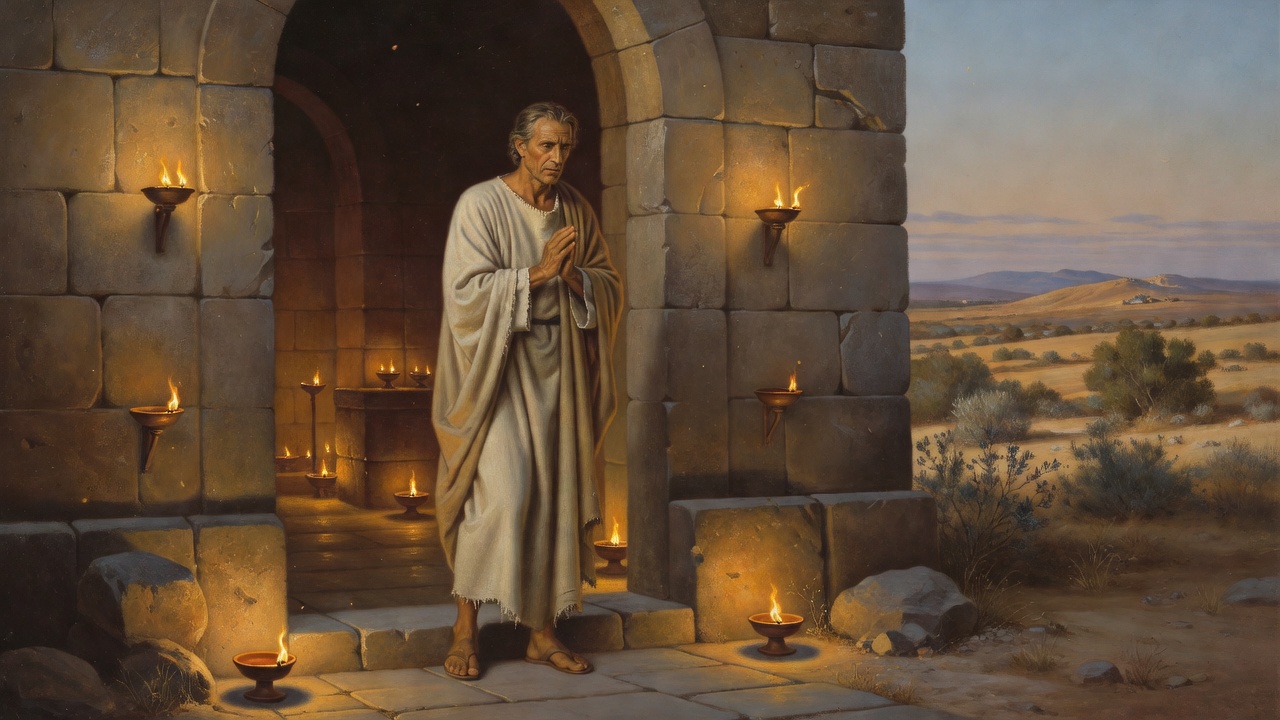
- The psalmist struggles with a deep crisis of faith, questioning the value of personal purity when seeing the carefree wealth and apparent lack of suffering among the wicked. This internal struggle only resolves when he enters the sanctuary of God, where he gains perspective on their eventual ruin.Sources: the Bible text itself
Notes written with AI assistance from open sources (Theographic Bible Metadata, CC BY-SA 4.0; Easton’s Bible Dictionary, public domain) and reviewed before publishing.
Credits and license for this translation
Baibal Olcim
The Holy Bible in the Matupi Chin language of Mynmar with Strong's numbers
Public Domain
Language: Matupi Chin (Chin, Matu)
Published in Mynmar, which is not a signatory to international copyright treaties. Copyright may apply locally in Mynmar.
2026-07-16
Source: http://ebible.org/hlt/ · eBible.org