Psalms 16
Baibal Olcim · Tap a verse to see its cross-references.
BOEIPA dongah Ngaikhueknah
David kah Laa
1Aw Boeipa Pathen namah dongah ka ying tih kai n'dawndah lah.
2Ka Boeipa Yahovah namah taengah, “Nang phoeiah tah ka hnothen a om moenih,” ka ti.
3Diklai ah aka cim tih, aka khuet boeih taengah ka naep.
4A tloe aka oei rhoek tah a nganboh la pung. Amih thii te tuisi ka bueih pawt vetih ka hmuilai neh amih ming te ka khuen mahpawh.
5BOEIPA tah kai kah buham khoyo neh ka boengloeng la om. Namah loh ka hmulung khaw na duel.
6Rhilong khaw kai ham tah, hmuennaep ah cet tih, kai ham rho then ngawn coeng.
7Kai aka uen aka to BOEIPA te a yoethen saeh. Khoyin ah khaw ka kuel loh kamah n'toel.
8BOEIPA loh kai kah bantang ben ah om tih, kamah hmai la ka mop taitu dongah ka tuen mahpawh.
9Te dongah ka lungbuei a kohoe tih ka kah thangpomnah loh a omngaih vaengah, ka pumsa khaw ngaikhuek la duem ni.
10Ka hinglu he Saelkhui la na hnoo pawt vetih, namah kah hlangcim te hlan na hmuh sak mahpawh.
11Hingnah caehlong te kai nan tueng tih, na hmai ah kohoenah kodam la om. Na bantang kut ah a yoeyah la ka ngailaem.
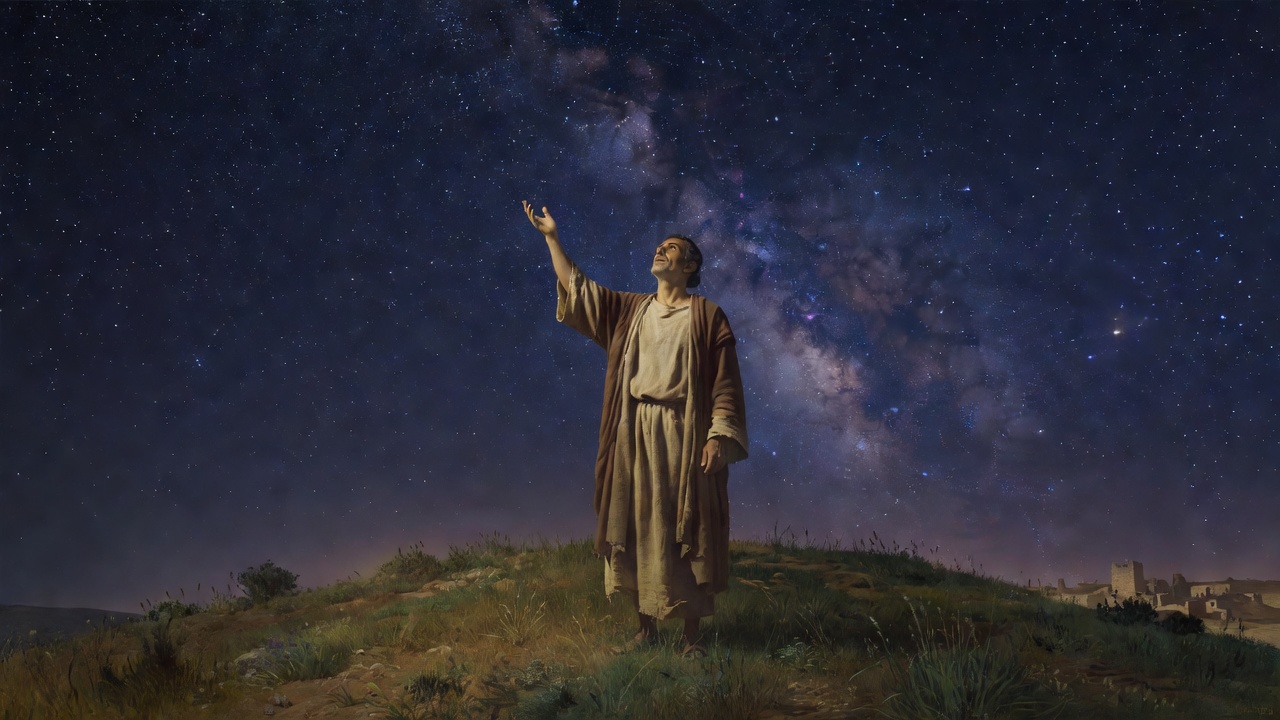
Did you know?
The Lord as Inheritance and Refuge
- The psalmist uses the imagery of measuring lines and land distribution to describe God as an inheritance. By stating that the boundary lines have fallen in pleasant places, the text portrays devotion to the Lord through the metaphor of a secure and delightful plot of land.Sources: the Bible text itself
- The text contrasts loyalty to God with the practices of those pursuing other deities. The speaker explicitly refuses to participate in foreign rituals involving libations of blood or even speak the names of those gods.Sources: the Bible text itself
- The psalm closes with confidence regarding mortality, affirming that God will not abandon the speaker's soul to Sheol or allow His devoted one to experience decay, but instead will show the path of life and joyful presence.Sources: the Bible text itself
Notes written with AI assistance from open sources (Theographic Bible Metadata, CC BY-SA 4.0; Easton’s Bible Dictionary, public domain) and reviewed before publishing.
Credits and license for this translation
Baibal Olcim
The Holy Bible in the Matupi Chin language of Mynmar with Strong's numbers
Public Domain
Language: Matupi Chin (Chin, Matu)
Published in Mynmar, which is not a signatory to international copyright treaties. Copyright may apply locally in Mynmar.
2026-07-16
Source: http://ebible.org/hlt/ · eBible.org