Psalms 125
Baibal Olcim · Tap a verse to see its cross-references.
Israel kah Ngaikhueknah
Tangtlaeng Laa
1BOEIPA dongah aka pangtung rhoek tah Zion tlang bangla, kumhal ah tuen pawt tih ngol.
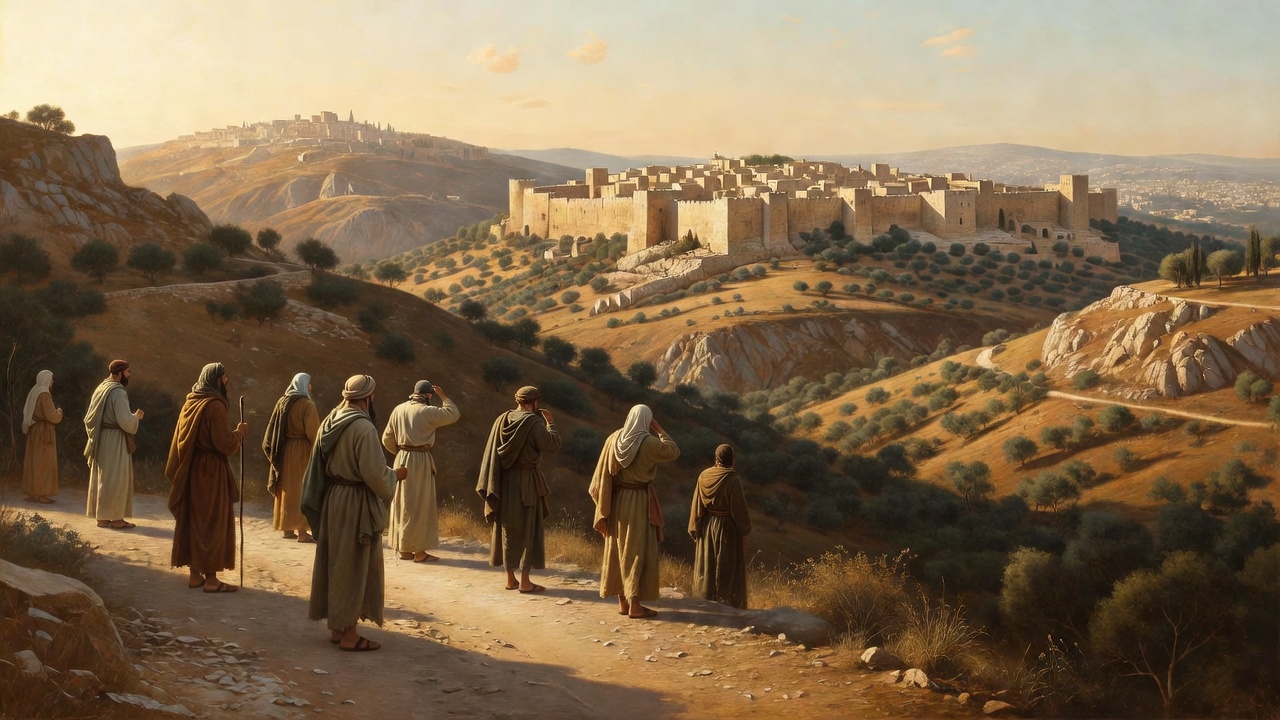
2Jerusalem kaepvai kah tlang rhoek tah amah ham coeng ni. Te dongah BOEIPA tah a pilnam a kaepvai ah, tahae lamkah neh kumhal duela om.
3Halangnah mancai loh aka dueng rhoek kah hmulung te naan boel saeh. Te daengah ni aka dueng loh a kut te dumlai la a hlah pawt eh.
4BOEIPA aw aka then taeng neh, a lungbuei ah aka thuem taengah tah hlampan pah.
5Tedae BOEIPA aw, amih a kael la aka mael rhoek neh boethae aka saii te a tueih ni. Israel soah rhoepnah om saeh.
Did you know?
Unshakable Security in Jerusalem
- Psalm 125 is one of the Songs of Ascents, comparing those who trust in God to Mount Zion. Mount Zion was a naturally fortified hill in Jerusalem, surrounded by deep valleys on nearly all sides, making it a fitting symbol of permanence and stability.Sources: the Bible text itself · Mount Zion
- The psalmist draws on local geography by noting how mountains encircle Jerusalem. Built as a mountain fortress among neighboring heights, the city provided an evocative physical illustration of divine protection surrounding the community.Sources: the Bible text itself · Jerusalem
- The psalm concludes with a prayer for peace upon Israel, which resonates with the traditional interpretation of Jerusalem's Hebrew name as a foundation or possession of peace.Sources: the Bible text itself · Jerusalem
Notes written with AI assistance from open sources (Theographic Bible Metadata, CC BY-SA 4.0; Easton’s Bible Dictionary, public domain) and reviewed before publishing.
Places in this chapter
Only places identified with high confidence are shown (90% or more according to the scholarly sources compiled by OpenBible). Period map: DARE (Digital Atlas of the Roman Empire), CC BY 4.0; modern map: © OpenStreetMap contributors; places: OpenBible.info (CC BY 4.0).
Credits and license for this translation
Baibal Olcim
The Holy Bible in the Matupi Chin language of Mynmar with Strong's numbers
Public Domain
Language: Matupi Chin (Chin, Matu)
Published in Mynmar, which is not a signatory to international copyright treaties. Copyright may apply locally in Mynmar.
2026-07-16
Source: http://ebible.org/hlt/ · eBible.org