Numbers 21
Baibal Olcim · Tap a verse to see its cross-references.
Kanaan Manghai Yawk
1Tuithim kah khosa Arad manghai Kanaan loh Atharim longpuei ah Israel a pawk te a yaak vaengah Israel te a vathoh tih tamna la a sol. 2Te vaengah Israel loh BOEIPA taengah olcaeng neh a caeng tih, “He pilnam he ka kut ah nan paek la nan paek atah a khopuei khaw ka thup bitni,” a ti nah.
3BOEIPA loh Israel kah ol te a yaak dongah Kanaan te a paek. Te dongah amih neh a khopuei te a thup tih a hmuen ming te Hormah a sak.
Rhohum Rhul
4Hor tlang lamloh carhaek tuili longpuei la Edom khohmuen te lan ham cet uh. Tedae longpueng ah pilnam kah hinglu tah a huet pah. 5Te dongah pilnam loh Pathen taeng neh Moses taengah, “Khosoek ah duek ham mai he balae tih Egypt lamloh kaimih nang khuen. Buh om pawh, tui om pawh. Buh kak tangkik he kaimih kah hinglu khaw a mueipuel coeng,” a ti uh.
6Te dongah BOEIPA loh pilnam taengah minyuk rhul te a tueih pah tih pilnam te a tuk dongah Israel khui lamkah pilnam muep duek.
7Te vaengah pilnam te Moses taengla cet tih, “BOEIPA taeng neh nang taengah ka cal uh tholh coeng. BOEIPA taengah thangthui lamtah rhul te kaimih taeng lamloh khoe mai saeh,” a ti uh. Te dongah Moses te pilnam ham a thangthui pah.
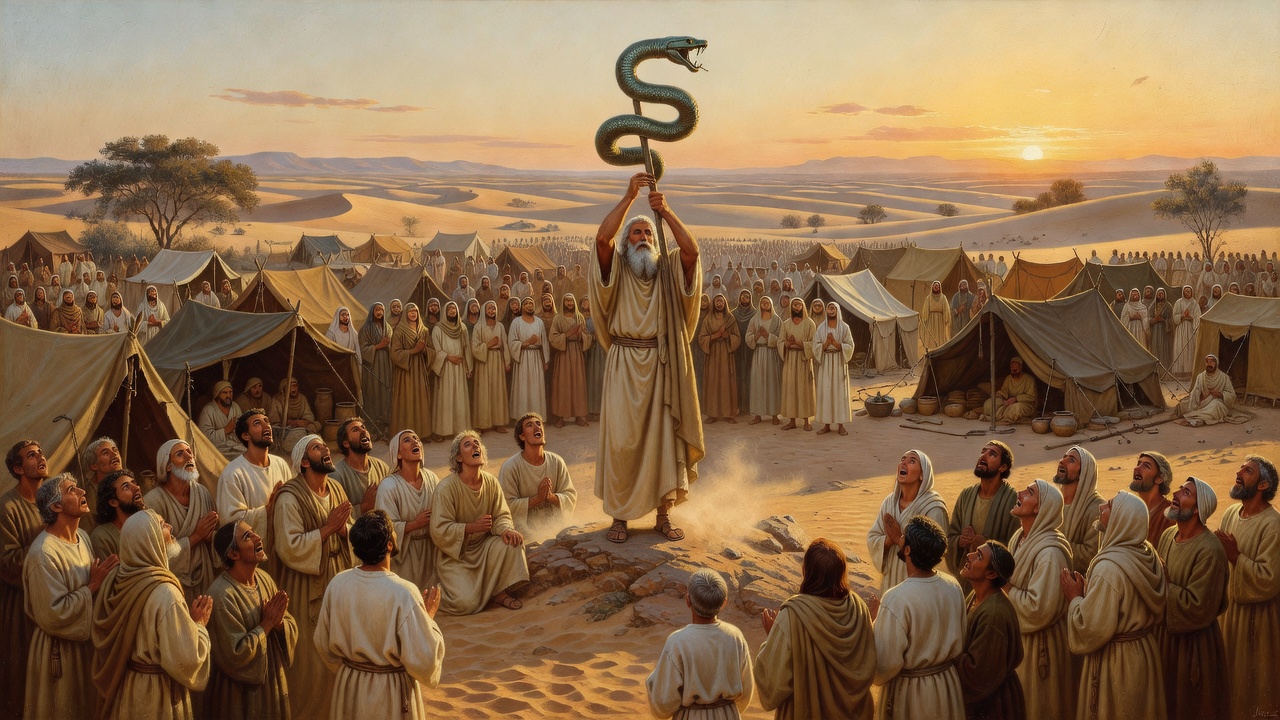
8Te dongah BOEIPA loh Moses te, “Namah loh minyuk saii lamtah rholik soah bang, te vaengah nana om bitni, rhul kah a tuk boeih loh te te a hmuh vaengah hing ni,” a ti nah.
9Te phoeiah Moses loh rhohum rhul te a saii tih rholik dongah a tai. Te a om phoeiah atah rhul loh hlang a tuk akhaw rhohum rhul te a paelki tih hing.
Moab A Hil
10Te phoeiah Israel ca rhoek te thoeih uh tih Oboth ah rhaeh uh. 11Oboth lamloh thoeih uh tih khomik khocuk kah Moab dan, Ijeabarim khosoek ah rhaeh uh. 12Te lamloh cet uh tih Zered soklong ah rhaeh uh. 13Te lamloh cet uh tih Amori khorhi lamkah aka pawk khosoek kah Arnon rhalvangan ah rhaeh uh. Moab khorhi kah Arnon tah Moab laklo neh Amori laklo ah om.
14Te dongah BOEIPA kah caemtloek cabu khuiah tah “Suphah kah Vaheb neh Arnon soklong,” a ti.
15Soklong kah tuibah te Ar khosa la a doo tih Moab khorhi te a pangnat. 16Te lamloh Beer la thoeih uh tih tekah tuito ah tah BOEIPA loh Moses te, “Pilnam te coi lamtah amih te tui ka pae eh?,” a ti nah.
17Te vaengah Israel loh hekah laa he a hlai. Tuito phuet lah, amah te doo lah. 18Tuito te mangpa rhoek loh a too uh tih, pilnam hlangcong rhoek loh a vueh. Mattanah khosoek lamloh a conghol neh a taem uh.
19Mattanah lamloh kaloh Nahaliel, Nahaliel lamloh Bamoth, 20Bamoth lamloh Moab khohmuen kah kolrhawk, Pisgah som neh khopong hmai kah a dan la thoeih uh.
Amori Manghai A Tloek
21Israel loh Amori manghai Sihon taengah puencawn a tueih tih, 22“Na khohmuen longah ka kat mai eh, lohma li neh misurdum khuiah ka ael uh mahpawh, tuito tui khaw ka o uh mahpawh, na khorhi ka poeng hil manghai longpuei bangla ka vai uh bitni,” a ti nah.
23Tedae Sihon loh Israel te a khorhi longah kat sak pawh. Sihon loh a pilnam boeih te a coi tih Israel doe ham khosoek la cet uh. Jahaz la a pawk vaengah Israel te a tloek. 24Te dongah Israel loh anih te cunghang ha neh a tloek tih a khohmuen te Arnon lamloh Jabbok hil, Ammon koca taeng duela a huul pa. Te vaengah Ammon koca khorhi tah cak.
25Israel ca loh te kah khopuei boeih te a loh pah. Te dongah Israel loh Amori khopuei rhoek boeih ah khaw, Heshbon neh a khobuel boeih ah khaw kho a sak. 26Amori manghai Sihon kah khopuei Heshbon phoeiah tah lamhma kah Moab manghai te a tloek tih a kut lamkah a khohmuen pum te Arnon duela a loh. 27Te dongah aka thuidoek rhoek loh, “Halo uh, Heshbon thoh uh lamtah Sihon khopuei khaw sikim saeh,” tila aka thuidoek rhoek loh a thui uh.
28Hmai te Heshbon lamloh puek tih Sihon khorha lamkah hmaisai loh Arnon kah hmuensang boei, Moab Ar te a hlawp. 29Anunae Moab nang aih te, Khemosh pilnam na milh coeng, a capa rhoek! te hlangyong la, a canu rhoek khaw Sihon Amori manghai taengah thongtla la a paek. 30Amih te n'dong tih Heshbon tah Dibon duela milh, Medeba taengkah Nophah duela m'pong sak uh coeng,” a ti uh.
31Te dongah Israel loh Amori khohmuen ah kho a sak. 32Te phoeiah Moses loh Jazer ah longyam la a tueih tih a khobuel rhoek te a buem, a huul uh phoeiah Amori te pahoi a vai uh. 33Te phoeiah mael uh tih Bashan longpuei a paan uh. Te vaengah Bashan manghai Oga tah amih doe hamla amah khaw a pilnam boeih khaw, Edrei caemtloeknah la cet.
34Tedae BOEIPA loh Moses taengah, “Anih te rhih boeh, Na kut dongah anih neh a pilnam boeih khaw, a khohmuen khaw kam paek coeng. Heshbon kah khosa, Amori manghai Sihon taengah na saii bangla anih te saii van,” a ti nah.
35Te dongah a taengah rhaengnaeng khaw a sueng pawt hil amah khaw, a ca rhoek khaw, a pilnam boeih khaw a tloek pa uh tih a khohmuen te a huul uh.
Did you know?
The Bronze Serpent and the March Beyond the Arnon
- When the Israelites grew impatient during their journey around Edom and complained about the lack of food and water, venomous snakes appeared in the camp. Moses was instructed to craft a bronze serpent and mount it on a pole so that anyone bitten could look at it and live.Sources: the Bible text itself
- This chapter cites an otherwise unknown ancient Hebrew text called the Book of the Wars of the LORD to delineate the boundary along the Arnon river, which separated the Moabites from the Amorites.Sources: the Bible text itself · Arnon
- The passage includes an ancient poem mentioning Chemosh, the deity worshipped by the Moabites. The poem recounts how Sihon king of the Amorites had previously conquered Moabite lands from Heshbon down to the Arnon before Israel defeated him in battle.Sources: the Bible text itself · Chemosh · Sihon · Heshbon
Notes written with AI assistance from open sources (Theographic Bible Metadata, CC BY-SA 4.0; Easton’s Bible Dictionary, public domain) and reviewed before publishing.
Places in this chapter
- Negeb · 31.245, 34.841 · verse 1
- Edom · 30.746, 35.604 · verse 4
- Way of the Red Sea · Today: road between the Dead Sea and the Gulf of Aqaba · 29.727, 34.998 · verse 4
- Egypt · 30.129, 31.308 · verse 5
- Moab · Today: Moab 1 · 31.181, 35.701 · verses 11, 13, 15, 20, 26, 28, 29
- Valley of Zered · Today: Wadi al Hasa · 31.027, 35.485 · verse 12
- Arnon · Today: Wadi Mujib · 31.466, 35.573 · verses 13, 14, 24, 26, 28
- Waheb · Today: within 50 km of Sufeh · 31.666, 35.817 · verse 14
- Jeshimon · 31.470, 35.223 · verse 20
- King’s Highway · 31.955, 35.934 · verse 22
- Ammon · 31.955, 35.934 · verse 24
- Jabbok · Today: Zarqa River · 32.115, 35.543 · verse 24
- Dibon · Today: Tall Dhiban · 31.502, 35.777 · verse 30
- Medeba · Today: Madaba · 31.716, 35.795 · verse 30
- Bashan · 32.781, 35.935 · verse 33
Only places identified with high confidence are shown (90% or more according to the scholarly sources compiled by OpenBible). Period map: DARE (Digital Atlas of the Roman Empire), CC BY 4.0; modern map: © OpenStreetMap contributors; places: OpenBible.info (CC BY 4.0).
Credits and license for this translation
Baibal Olcim
The Holy Bible in the Matupi Chin language of Mynmar with Strong's numbers
Public Domain
Language: Matupi Chin (Chin, Matu)
Published in Mynmar, which is not a signatory to international copyright treaties. Copyright may apply locally in Mynmar.
2026-07-16
Source: http://ebible.org/hlt/ · eBible.org