Job 8
Baibal Olcim · Tap a verse to see its cross-references.
Bildad Olthui
1Shuhi Bildad loh a doo tih, 2“He he me hil nim na thui ve? Na ka kah ol tah khohli bangla khuet coeng. 3Pathen loh tiktamnah he a khun sak tih Tlungthang loh duengnah te a khun sak mai a? 4Na ca rhoek te anih taengah a tholh vaengah amih te amamih kah boekoek kut dongla a tueih. 5Namah loh Pathen te na toem tih Tlungthang te na hloep mak atah, 6Na cil tih na thuem koinih nang yueng la haenghang vetih na duengnah rhamtlim te n'thuung pataeng pawn ni. 7Na tongnah te a yiit om cakhaw na hmailong te muep rhoeng ni. 8Lamhma kah cadil taengah dawt laeh lamtah a napa rhoek khenah te soepsoei laeh. 9Mamih loh n'hlaem paek kah long khaw m'ming uh moenih, mamih kah khohnin diklai dongkah mueihlip banghui ni. 10Amih te na thuinuet pawt tih a, nang taengah a thui vetih amih kah lungbuei lamloh olthui te a khueh eh? 11Nongtui pawt ah talik thawn tih tui om mueh ah capu rhoeng a? 12Te te a duei pueng ah a hlaek pawt akhaw sulrham boeih hmai ah rhae coeng. 13Pathen aka hnilh boeih kah caehlong neh lailak kah ngaiuepnah tah bing tangloeng. 14A uepnah neh a pangtungnah bumba im te khaw bawtboeng. 15A im dongah hangdang dae pai thai pawh. Te te a kuel dae thoo pawh. 16Anih te khosae li ah thingsup tih a dum ah a dawn sai. 17A yung loh lungkuk dongah a ven tih lungto im te a hmuh. 18Te te a hmuen lamloh a phuk van vaengah, “Nang kam hmu moenih,” anih te a namnah. 19He he a longpuei kah omthennah coeng koinih laipi tloe lamloh a poe uh khaming. 20Pathen loh cuemthuek hnawt ngawn pawt tih thaehuet kut te a moem moenih. 21Na ka dongah nueihbu neh na hmui dongah tamlung bae. 22Na lunguet rhoek loh yahpohnah a bai uh vetih halang kah dap tah om mahpawh,” a ti.
Did you know?
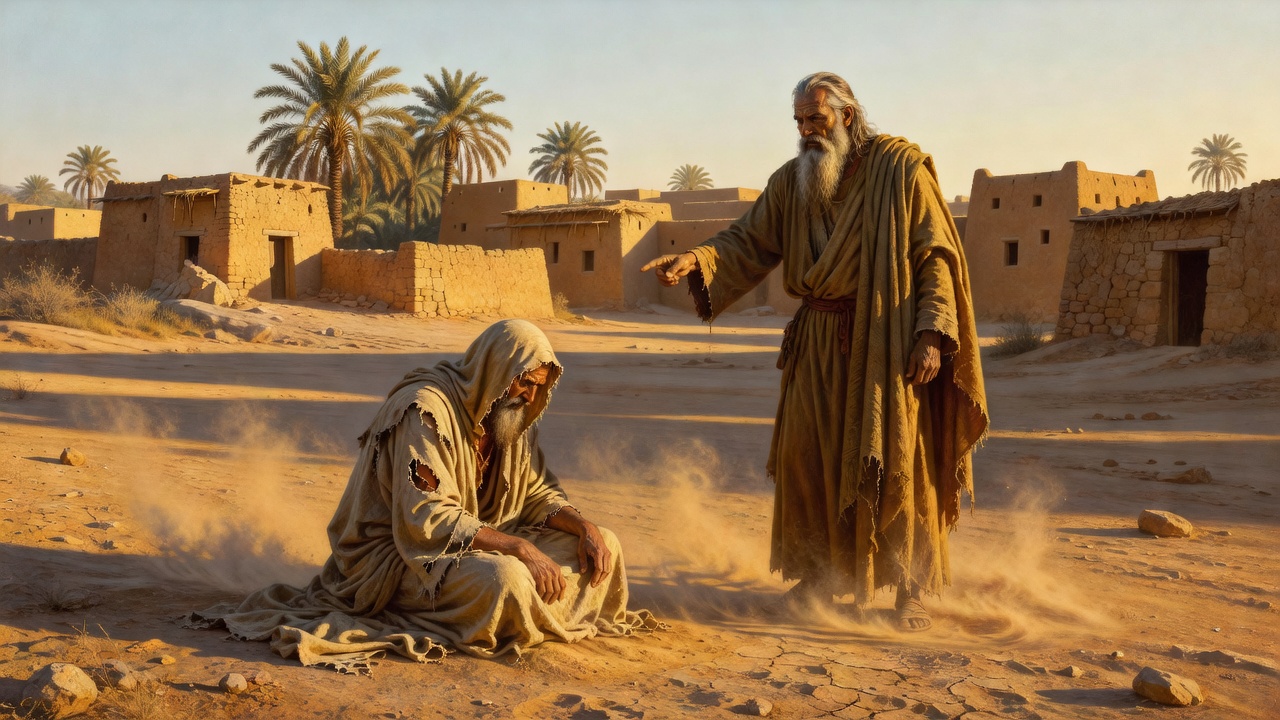
Bildad’s Appeal to Ancient Wisdom
- Bildad is identified as a Shuhite, which likely associates him with Shuah, an Arabian region settled by the descendants of Abraham and Keturah. In this chapter, he delivers the first of his three stern speeches to Job, maintaining that divine justice is absolute and unwavering.Sources: Bildad · the Bible text itself
- Rather than relying on personal experience, Bildad appeals to the accumulated knowledge of ancestral generations, describing human life as brief as a shadow. To argue that the wicked inevitably fall, he uses natural metaphors of marsh reeds withering without water and the fragility of a spider's web.Sources: the Bible text itself
Notes written with AI assistance from open sources (Theographic Bible Metadata, CC BY-SA 4.0; Easton’s Bible Dictionary, public domain) and reviewed before publishing.
Credits and license for this translation
Baibal Olcim
The Holy Bible in the Matupi Chin language of Mynmar with Strong's numbers
Public Domain
Language: Matupi Chin (Chin, Matu)
Published in Mynmar, which is not a signatory to international copyright treaties. Copyright may apply locally in Mynmar.
2026-07-16
Source: http://ebible.org/hlt/ · eBible.org