Job 39
Baibal Olcim · Tap a verse to see its cross-references.
1Thaelpang kah sathai a piil tue na ming tih sayuk a rhai na dawn a? 2Hla a cup la na tae tih a piil tue na ming a? 3A ca rhoek loh a koisu uh tih a huel daengah a bungtloh loh a hlah. 4A ca a man uh te cangpai neh rhoeng tih a caeh uh phoeiah tah amih taengla mael uh pawh. 5Sayalh la kohong marhang aka hlah te unim? Laak lueng kah kuelrhui aka hlam te unim? 6A im te kolken la, a dungtlungim te lungkaehlai la ka khueh. 7Khorha kah hlangping te a lawn tih aka tueihno kah pang ol hnatun pawh. 8A luemnah tlang te a cawt tih sulhing boeih te a yoep. 9Cung loh nang taengah a thohtat hamla a huem vetih na kongduk dongah rhaeh aya? 10Cung te a rhuivaeh kong ah na pael vetih nang hnukah tuikol te a thoe aya? 11A thadueng a len dongah a soah na pangtung vetih na thaphu te a taengah na hnoo aya? 12Na cangti te a khuen, a khuen vetih na cangtilhmuen a coi ni tila te te na tangnah a? 13Kalaukva kah phae loh yoka cakhaw bungrho phaemul neh a dii aih nim. 14A duei te diklai dongah a hnoo tih laipi khuiah a awp. 15A kho loh a hep te a hnilh tih kohong mulhing long khaw te te a til. 16A ca rhoek te amah kah pawt bangla a hit sak tih a poeyoek la a thaphu te birhihnah pawh. 17Pathen loh anih te cueihnah a hnilh sak tih a taengah yakmingnah tael pah pawh. 18Hmuensang la a phuel uh tue vaegah tah marhang neh a sokah aka ngol te a nueih thil. 19Marhang taengah thayung thamal na paek a? A rhawn te a hnoo neh na thing pah a? 20Anih te kaisih bangla na pet sak a? A phit vaengkah mueithennah khaw mueirhih la poeh. 21Tuikol te a phuet uh vaengah thadueng neh a ngaingaih lungpok haica doe hamla pawk. 22Rhihnah te a nueih thil tih a rhihyawp pawt dongah cunghang ha lamloh a mael moenih. 23A taengah liva a khoek tih caai neh soe kaw hmaihluei la om. 24Hinghuen neh khoponah neh diklai a coih tih tuki ol te tangnah pawh. 25Tuki te a rhoeh la, “Ahuei,” a ti nah tih caemtloek vaengkah mangpa khohum neh tamlung te a hla lamloh a huep. 26Nang kah yakmingnah dongah nim mutlo loh a phae a phuel tih a ding, a phae te tuithim la a phuel? 27Nang kah ka dongah atha te sang hang tih a bu a pomsang a? 28Thaelpang ah kho a sak tih thaelpang hmuisum neh rhalvong ah khaw rhaeh ta. 29Te lamloh caak a thaih tih a hla lamkah te a mik loh a paelki. 30Te vaengah a vapuel, a vapuel loh thii a caep uh tih rhok om nah ah hnap om,” a ti nah.
Did you know?
God’s Care and Design in the Animal Kingdom
- The divine speech challenges Job regarding the untamable nature of wild animals such as the wild donkey and the wild ox. Unlike domesticated livestock used for farming and threshing, these creatures dwell freely in the wilderness and salt flats, completely independent of human authority and labor.Sources: the Bible text itself
- The text highlights the ostrich’s peculiar nesting habits, describing how it leaves its eggs in the sand without the protective care seen in other birds, yet outruns horses when fleeing across open ground.Sources: the Bible text itself
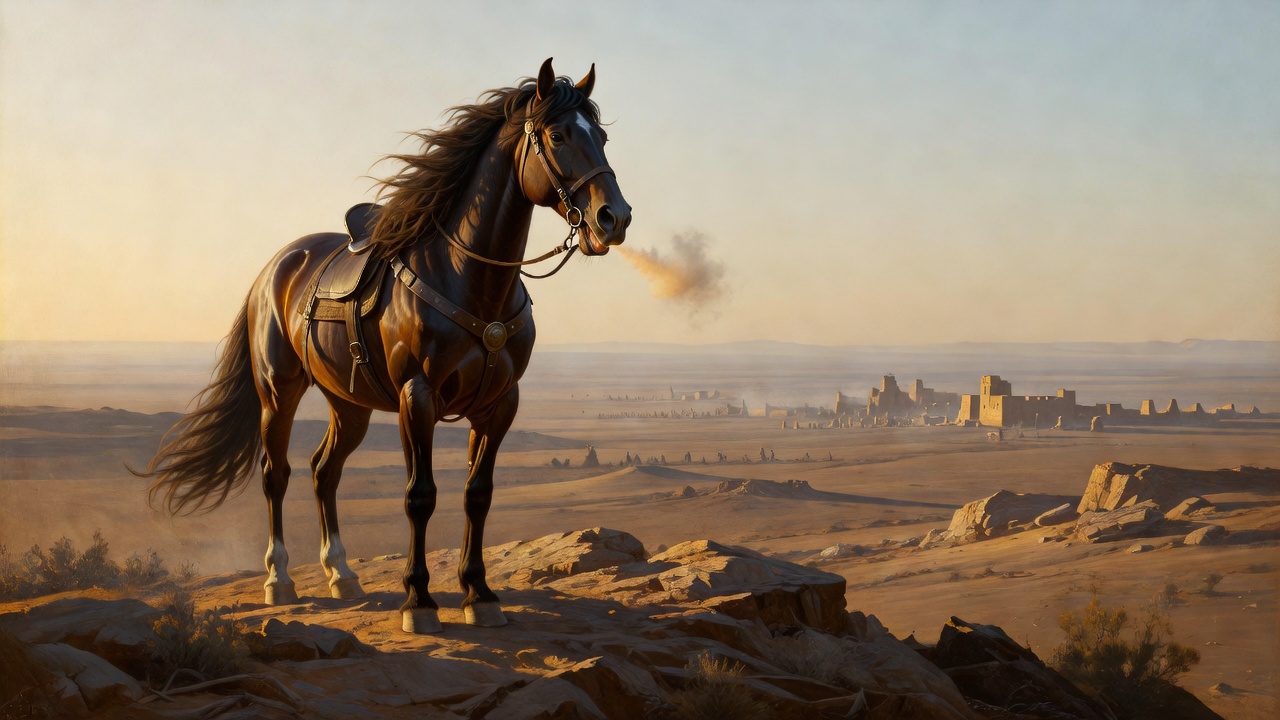
- The vivid portrait of the warhorse describes its fearlessness, strength, and eagerness in the face of weapons and battle horns, emphasizing that its courage and nature are bestowed by God rather than human mastery.Sources: the Bible text itself
Notes written with AI assistance from open sources (Theographic Bible Metadata, CC BY-SA 4.0; Easton’s Bible Dictionary, public domain) and reviewed before publishing.
Credits and license for this translation
Baibal Olcim
The Holy Bible in the Matupi Chin language of Mynmar with Strong's numbers
Public Domain
Language: Matupi Chin (Chin, Matu)
Published in Mynmar, which is not a signatory to international copyright treaties. Copyright may apply locally in Mynmar.
2026-07-16
Source: http://ebible.org/hlt/ · eBible.org