Jeremiah 12
Baibal Olcim · Tap a verse to see its cross-references.
Jeremiah kah Kohuetnah
1Namah taengla kang rhoe vaengah BOEIPA namah tah na dueng coeng. Tedae laitloeknah te namah taengah ka thui koinih balae tih halang rhoek kah longpuei tah thaihtak tih hnukpoh rhoek loh a hnukpoh boeih khaw a dingsuek? 2Amih te na phung tih a yung a hlak dongah a thaih cuen. A ka nen tah na yoei uh dae a kuel lamloh hla coeng. 3Tedae BOEIPA namah loh kai nan ming. Kai he nan hmuh tih ka lungbuei khaw na noem coeng. Amih te maeh la namah taengah boiva bangla bawt lamtah ngawnnah khohnin kah ham rhoe laeh. 4Diklai he me hil nim a nguekcoi vetih khohmuen boeih kah baelhing a rhae ve. A khuikah khosa rhoek kah boethae dongah rhamsa neh vaa te a khoengvoep tih, “Kaimih kah hmailong he khui pawh,” a ti uh.
BOEIPA kah Hlatnah
5Rhalkap neh na yong vaengah pataeng na ngak atah metlamlae te marhang taengah na sai eh? Ngaimong kho ah pataeng na palyal atah metlamlae Jordan kah mingthennah khuiah na saii eh? 6Amih na manuca neh na pa imkhui long pataeng nang taengah hnukpok uh coeng. Amih te nang taengah khuk pang uh tih nang kah na then te thui uh cakhaw amih te tangnah boeh. 7Ka im te ka hnoo vetih ka rho te ka phap ni. Ka hinglu pumting te a thunkha kut ah ka tloeng ni. 8Kamah taengah ka rho la om dae kai taengah duup kah sathueng bangla a ol neh ha thoeng. Te dongah ni anih te ka hmuhuet. 9Ka taengkah ka rho he rhikrhek vatlung nim oe? A taengkah vatlung kilkoel nim oe? Cet uh, kohong mulhing boeih coi lamtah caak hamla lo. 10Aka dawn rhoek loh ka misurdum muep a phae tih ka hmakhuen te a suntlae uh. Ka hmakhuen sahnaih te khosoek khopong la a khueh uh. 11Khopong la a khueh vaengah kamah taengah nguekcoi uh. Diklai pum he a dingrhak la pong coeng tih lungbuei ah aka dueh hlang khaw om pawh. 12Aka rhoelrhak ham te khosoek kah caphoei cuk boeih soah ha pawk coeng. BOEIPA kah cunghang tah diklai khobawt lamloh diklai khobawt duela a hlap tih pumsa boeih tah a ngaimong pawh. 13Cang a tuh dae hling la a ah uh dongah a kha uh akhaw hoeikhang uh pawh. BOEIPA kah thintoek thinsa lamloh na cangvuei khaw yak coeng. 14Kamah pilnam Israel taengah ka phaeng rho dongah aka moi uh ka imben boethae boeih ham ni BOEIPA loh a thui tangkhuet. Kai loh amih te a khohmuen dong lamloh ka phuk tih Judah imkhui te amih lakli lamloh ka phuk. 15Tedae ka phuk hnukah amih te ka mael thil vetih amih ka haidam khaw om bitni. A rho taeng neh a diklai la rhip rhip ka mael sak ni. 16A tue a pha atah Baal lamloh toemngam ham ka pilnam a tukkil uh bangla mulhing BOEIPA kamah ming neh toemngam ham ka pilnam longpuei te a tukkil rhoela a tukkil ni. Ka pilnam lakli ah tlingtlawn uh ni. 17Tedae a hnatun uh pawt atah namtom te phuk tih milh sak ham ka phuk van ni. He tah BOEIPA kah olphong ni.
Did you know?
Jeremiah's Complaint and the Nations
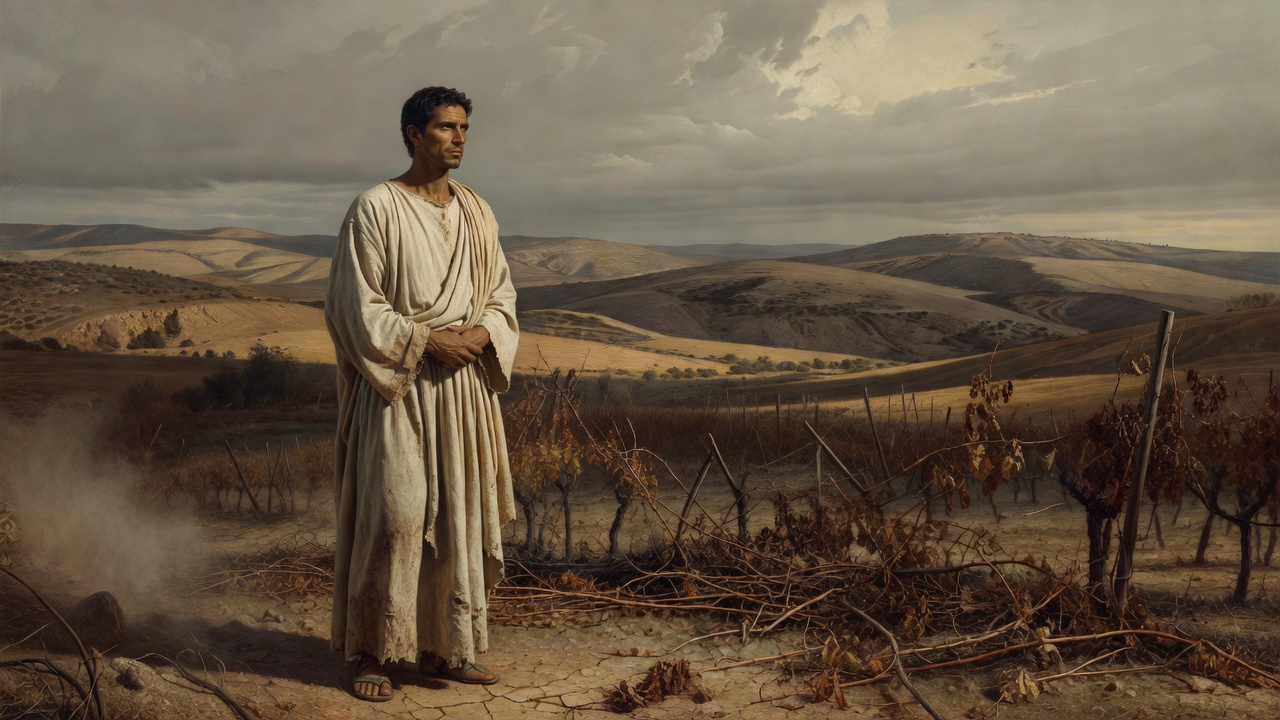
- Jeremiah wrestles with the difficult question of why the wicked prosper and live at ease while speaking of God with their lips but keeping him far from their hearts. The prophet's distress is deeply personal, as even the members of his own father's household had betrayed him and spoken against him.Sources: the Bible text itself
- God responds to Jeremiah's complaint by asking how he will compete with horses if racing with footmen tires him, and how he will manage in the thickets of the Jordan if he stumbles in a peaceful land. The Jordan River cuts through low valleys and dense, difficult terrain along its banks.Sources: the Bible text itself · Jordan
- The chapter extends hope even to hostile neighboring nations that had once taught Judah to swear by Baal, the principal male deity of the Phoenicians. If these nations turn and learn to swear by the name of the Lord, God promises to build them up among his people.Sources: the Bible text itself · Baal
Notes written with AI assistance from open sources (Theographic Bible Metadata, CC BY-SA 4.0; Easton’s Bible Dictionary, public domain) and reviewed before publishing.
Places in this chapter
- Jordan · Today: Jordan River · 31.761, 35.558 · verse 5
Only places identified with high confidence are shown (90% or more according to the scholarly sources compiled by OpenBible). Period map: DARE (Digital Atlas of the Roman Empire), CC BY 4.0; modern map: © OpenStreetMap contributors; places: OpenBible.info (CC BY 4.0).
Credits and license for this translation
Baibal Olcim
The Holy Bible in the Matupi Chin language of Mynmar with Strong's numbers
Public Domain
Language: Matupi Chin (Chin, Matu)
Published in Mynmar, which is not a signatory to international copyright treaties. Copyright may apply locally in Mynmar.
2026-07-16
Source: http://ebible.org/hlt/ · eBible.org