Isaiah 46
Baibal Olcim · Tap a verse to see its cross-references.
Pathen aka Tluk Om Pawh
1Bel te koisu tih Nebo khun coeng. Amih kah muei te mulhing neh rhamsa dongah om. Na hnohoei pataeng buhmueh rhathih ham tah hnorhih la a tloeng. 2A khun neh rhenten a koisu uh dongah hnorhih poenghal uh thai pawh. Te dongah amih kah hinglu tah tamna la cet. 3Jakob imkhui neh bungko lamloh ka yom tih ka bung dong lamkah ka poeh Israel imkhui kah a meet boeih loh kamah taengkah he ya uh saeh. 4Patong duela kai tah amah thim la ka om tih, sampok duela ka laetaep ni. Kamah loh ka saii dongah kamah long ni ka phueih eh. Ka laetaep vetih ka poenghal sak ni. 5U taengah nim kai nan lutlat sak uh vetih nan tluk sak uh eh, kai aka puet ham kamah bangla na om venim? 6Sungsa dong lamloh sui aka buk tih capu kong neh tangka aka thuek. Aka cilpoe te a paang uh tih pathen a saii pah te a buluk thil uh tih a bawk uh. 7A laengpang dongah a koh uh tih a laetaep uh. Tedae amah hmuen la a tloeng akhaw a pai hmuen lamloh nong pawh. Anih te a doek akhaw a citcai lamloh doo pawt tih amah te khang bal pawh. 8He poek uh lamtah sap uh lah. Boekoek rhoek loh na lungbuei te mael tak uh. 9Khosuen kah te lamhma la poek uh. Pathen kamah phoeiah Pathen tloe om pawt tih kai bang khaw om pawh. 10A tongcuek lamkah hmailong due khaw, hlamat lamkah a saii uh noek pawt te aka puen loh, “Kai kah cilsuep tah thoo vetih ka huengaih boeih te ka saii ni,” a ti. 11Khocuk lamkah vatlung neh khohla bangsang khohmuen lamkah a cilsuep hlang te ka cilsuep la ka khue. Ka thui tangtae te ni ka thoeng sak bal vetih, ka taeng tangtae te ka saii bal eh. 12Kamah taengah hnatun uh lah, lungbuei aka lueng rhoek he duengnah lamkah neh daengrhae daengkhoi. 13Ka duengnah kang khuen he hlavak pawt tih kamah lamkah loeihnah he uelh mahpawh. Te dongah loeihnah he Zion taengah, ka boeimang te Israel taengah ka paek ni.
Did you know?
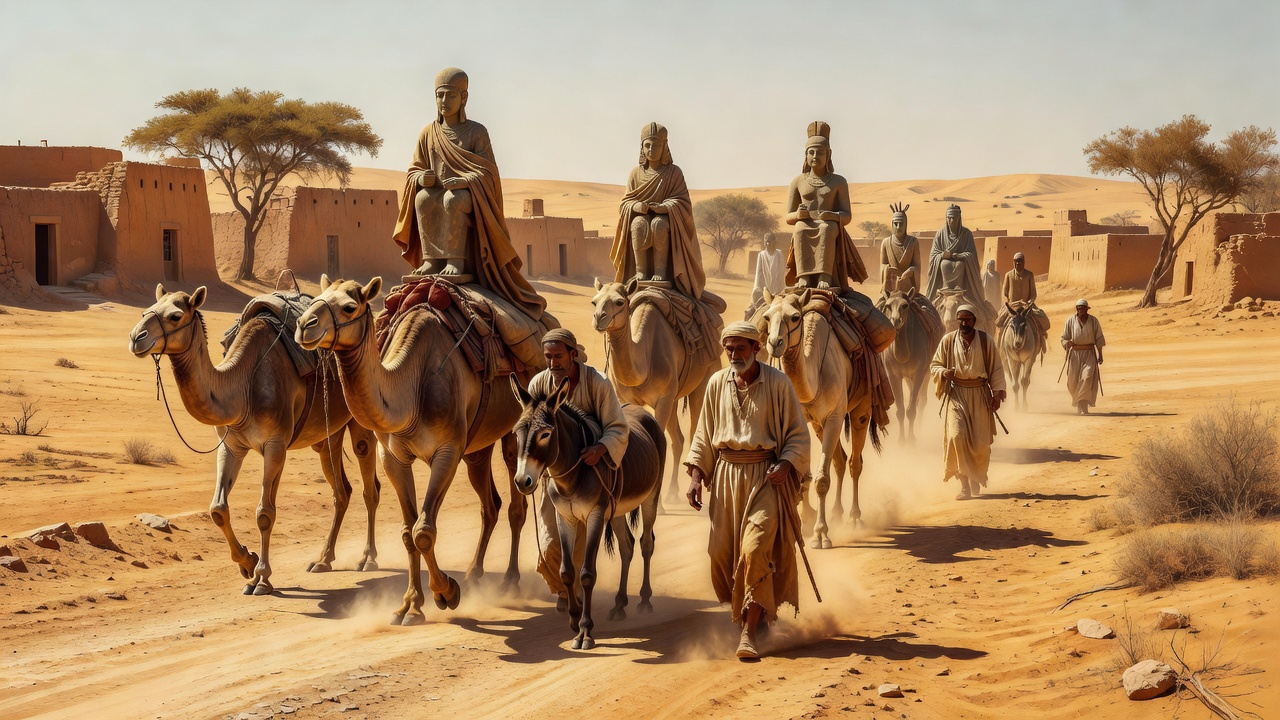
The God Who Carries His People
- Isaiah 46 contrasts the Babylonian gods Bel and Nebo with the God of Israel. While manufactured idols are described as dead weight that must be loaded onto weary animals and carried into captivity, God declares that He has carried and sustained the house of Jacob from birth and will continue to do so into old age.Sources: the Bible text itself
- The chapter illustrates the helplessness of idols by highlighting their human origin: people pour out gold and weigh silver to hire a goldsmith to shape a god. Once carried on human shoulders and set in place, the statue remains stationary, unable to move, answer cries, or rescue anyone from distress.Sources: the Bible text itself
- The prophecy closes with God promising to grant salvation to Zion. Zion was the south-eastern hill of Jerusalem that David captured and made into the City of David, often cited in prophetic texts as a focal point for Israel.Sources: the Bible text itself · Zion
Notes written with AI assistance from open sources (Theographic Bible Metadata, CC BY-SA 4.0; Easton’s Bible Dictionary, public domain) and reviewed before publishing.
Places in this chapter
Only places identified with high confidence are shown (90% or more according to the scholarly sources compiled by OpenBible). Period map: DARE (Digital Atlas of the Roman Empire), CC BY 4.0; modern map: © OpenStreetMap contributors; places: OpenBible.info (CC BY 4.0).
Credits and license for this translation
Baibal Olcim
The Holy Bible in the Matupi Chin language of Mynmar with Strong's numbers
Public Domain
Language: Matupi Chin (Chin, Matu)
Published in Mynmar, which is not a signatory to international copyright treaties. Copyright may apply locally in Mynmar.
2026-07-16
Source: http://ebible.org/hlt/ · eBible.org