Hosea 13
Baibal Olcim · Tap a verse to see its cross-references.
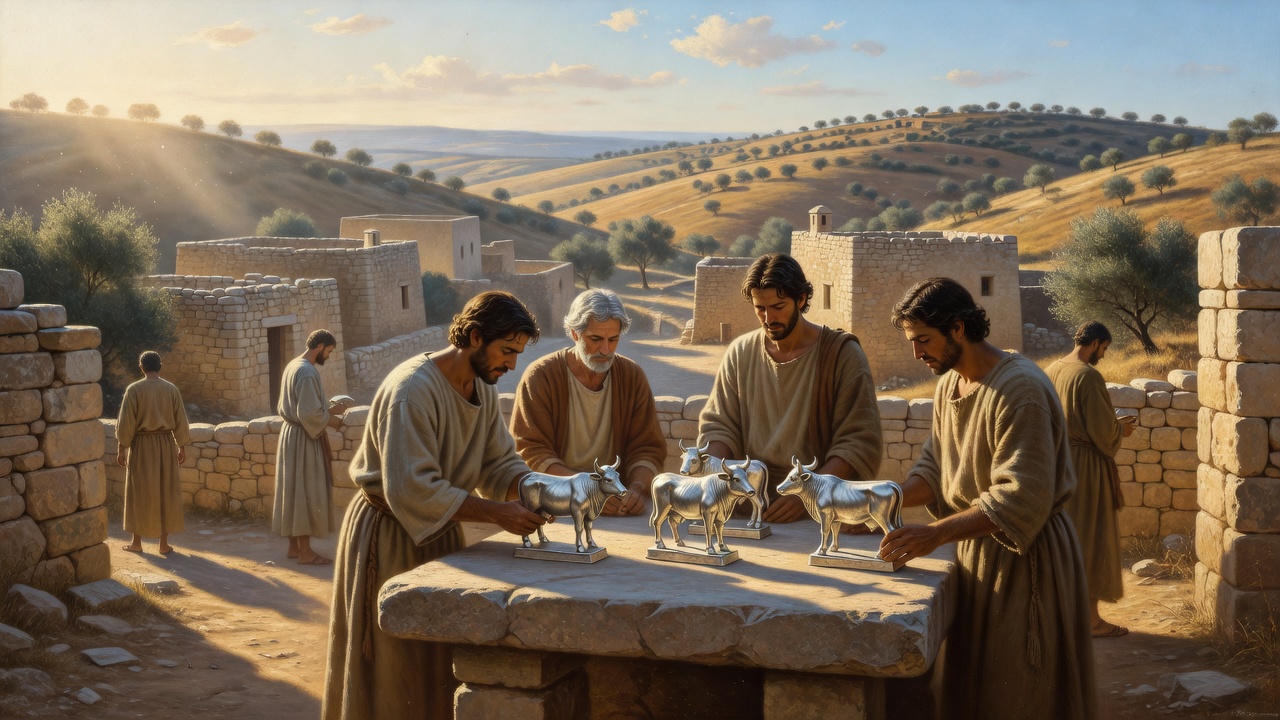
1Ephraim tah rhihnah neh cal tih anih te Israel khuiah a pomsang. Tedae Baal rhangneh a boe dongah ni a duek. 2Tedae tholh te a koei uh coeng dongah amamih ham amamih kah cak te a lungcuei tarhing ah mueihloe la a saii uh. Te boeih te kutthai rhoek kah kutci muei mai. Te te amih loh, “Aka nawn hlang loh vaitoca te mok uh,” a ti uh. 3Te dongah mincang cingmai bangla, thoh hang neh aka hma buemtui bangla, cangtilhmuen lamkah aka thikthuek cangkik bangla, bangbuet lamkah hmaikhu bangla om uh ni.
Dueknah neh Thohkoepnah
4Tedae Egypt khohmuen lamkah pataeng na Pathen tah Yahweh kamah ni. Kai phoeiah pathen a tloe na ming noek moenih kai mueh ah khangkung khaw a om moenih. 5Rhamling khohmuen kah khosoek ah pataeng kai loh nang kan ming coeng. 6Amih kah rhamtlim neh hah la hah uh tih a lungbuei a pomsang. Te dongah ni kai n'hnilh uh. 7Te dongah amih soah sathuengca bangla ka om vetih kaihlaeng bangla longpuei ah ka mae ni. 8Amih te dueidah laemhong vom bangla ka doe vetih a lungbuei kah a pahuep ka phen pah ni. Te vaengah sathuengnu loh kohong mulhing a baeh bangla amih te pahoi ka dolh ni. 9Nang kah bomkung kamah taeng lamloh Israel nang te m'phae ni. 10Na khopuei boeih ah nang aka khang ham na manghai neh nang kah lai aka tloek bal te ta? Te la, “Kai hamla manghai neh mangpa la m'pae,” na ti dae. 11Manghai te nang taengah ka thintoek neh kam paek tih ka thinpom neh kan lat. 12Ephraim kathaesainah loh puen a cak tih a tholhnah te a khoem pah coeng. 13Ca cun bungtloh loh anih taengah pai coeng. Anih tah camoe khaw a cueih moenih. Ca om tue vaengah khaw a om moenih. 14Amih te saelkhui kut lamloh ka lat ni. Amih te dueknah lamloh ka tlan ni. Dueknah nang kah duektahaw te melae? Saelkhui nang kah lucik te melae? Suemnah khaw ka mik lamloh thuh uh ni.
Laitloek Hnin Painah
15Anih te pacaboeina lakli ah a thaih rhah mai cakhaw BOEIPA kah kanghawn yilh ha pai ni. Khosoek lamloh a khuen vetih a thunsih khaw kak ni. A tuisih khaw a khah pah ni. Anih te thakvoh khuikah sahnaih hnopai boeih a rhth pah ni. 16A Pathen te a koek dongah Samaria boe coeng. Cunghang dongah cungku uh vetih a camoe rhoek te a til uh ni. A bungvawn khaw a boe pah ni.
Did you know?
The Fall of Ephraim and Samaria
- Hosea 13 opens by recounting that Ephraim, once exalted in Israel, brought about its own ruin through the worship of Baal. Baal was the principal male deity of the Phoenicians, and his cult had long influenced the northern tribes.Sources: the Bible text itself · Baal
- The chapter recalls that God had been Israel's God ever since the land of Egypt and had known them in the arid wilderness. However, once the people had pasture and were satisfied, their hearts grew proud and they forgot their helper.Sources: the Bible text itself · Egypt
- The prophecy ends with an announcement of judgment on Samaria, the capital city established by King Omri on the hill of Shomeron. Hosea declares that Samaria will bear her guilt and suffer violent destruction for rebelling against God.Sources: the Bible text itself · Samaria
Notes written with AI assistance from open sources (Theographic Bible Metadata, CC BY-SA 4.0; Easton’s Bible Dictionary, public domain) and reviewed before publishing.
Places in this chapter
Only places identified with high confidence are shown (90% or more according to the scholarly sources compiled by OpenBible). Period map: DARE (Digital Atlas of the Roman Empire), CC BY 4.0; modern map: © OpenStreetMap contributors; places: OpenBible.info (CC BY 4.0).
Credits and license for this translation
Baibal Olcim
The Holy Bible in the Matupi Chin language of Mynmar with Strong's numbers
Public Domain
Language: Matupi Chin (Chin, Matu)
Published in Mynmar, which is not a signatory to international copyright treaties. Copyright may apply locally in Mynmar.
2026-07-16
Source: http://ebible.org/hlt/ · eBible.org