Deuteronomy 16
Baibal Olcim · Tap a verse to see its cross-references.
Yoom Khotue
1BOEIPA na Pathen loh Abib hla ah Egypt Khoyin lamloh nang n'khuen coeng dongah Abib hla te ngaithuen lamtah BOEIPA na Pathen kah Yoom te saii. 2Te dongah saelhung neh boiva te, BOEIPA loh amah ming phuk thil hamla a coelh hmuen ah, BOEIPA na Pathen kah Yoom la ngawn. 3Egypt kho lamloh phacipphabaem neh tokrhat la na nong dongah vaidamding buh te hnin rhih ca lamtah tolrhu caak thil boeh. Te daengah ni Egypt kho lamloh na nong tue te na hing tue khuiah na poek eh. 4Na taengkah loh hnin rhih tah, na khorhi pum ah tolrhu hmu boel saeh. A cuek khohnin hlaemhmah kah na ngawn maeh te mincang duela rhaeh boel saeh. 5BOEIPA na Pathen loh nang m'paek vongka carhui dongah Yoom te na ngawn ham coeng thai mahpawh. 6Egypt lamloh na lo vaengkah khoning bangla, khomik a tlak thuk, hlaemhmah vaengah a ming phuk thil ham BOEIPA na Pathen loh a coelh hmuen ah Yoom te dawk ngawn. 7Te phoeiah thong lamtah BOEIPA na Pathen loh amah ham a coelh hmuen ah ca. Mincang ah mael lamtah namah kah dap la cet. 8Vaidamding te hnin rhuk ca lamtah a hnin rhih dongkah BOEIPA na Pathen ham pahong vaengah bitat saii boeh.
Yalh Hnin Khotue
9A yalh rhih te namah loh tae. Canghli la vin a tawn lamloh tong lamtah yalh rhih duela tae. 10BOEIPA na Pathen taengah Yalh khat Khotue te na saii ni. BOEIPA na Pathen loh yoethen m'paek vanbangla na kut dongkah na kothoh te a khawknah hil pae. 11Te vaengah namah neh na capa na canu, na salnu neh na salpa, na vongka khuikah Levi neh yinlai, na khui kah cadah nuhmai loh BOEIPA na Pathen loh a ming phuk thil ham a coelh nah hmuen kah BOEIPA na Pathen kah mikhmuh ah na kohoe sak uh. 12Egypt ah sal la na om te poek lamtah he rhoek kah oltlueh na vai ham khaw ngaithuen van.
Pohlip Khotue
13Na canghlom neh na va-am na than phoeikah a hnin rhih vaengah Pohlip Khotue na saii ni. 14Namah kah khotue van vaengah tah namah neh na capa neh na canu khaw, na salnu neh na salpa khaw, na vongka khuikah Levi neh yilai khaw, cadah neh nuhmai khaw na kohoe uh saeh. 15BOEIPA kah a hmuen coelh dongah BOEIPA na Pathen te hnin rhih khuiah na lam thil ni. Te vaengah na cangvuei boeih neh na kut dongkah bitat boeih dongah nang te BOEIPA na Pathen loh yoethen m'paek vetih kohoe la na om taktak ni. 16Na khuikah tongpaca boeih loh kum khat ah voei thum, vaidamding khotue, yalh rhoek khotue, pohlip khotue, vaengahBOEIPAhmuen coelh kah BOEIPA na Pathen mikhmuh ah phoe saeh. Tedae BOEIPA mikhmuh ah kuttling la phoe boel saeh. 17BOEIPA na Pathen loh nang taengah m'paek yoethennah te a kut dongah kutdoe la rhip hang khuen saeh.
Laitloek neh Khoboei Tueknah
18BOEIPA na Pathen loh namah koca rhoek ham nang taengah m'paek na vongka khui boeih ah namah ham lai aka tloek la rhoiboei khueh lamtah pilnam taengah duengnah neh a tiktamnah la laitloek uh saeh. 19Laitloeknah te haeh sak boeh. maelhmai khaw so boeh. Kapbaih loh hlang cueih kah a mik he a dael sak tih hlang dueng kah olka pataeng a paimaelh thai dongah kapbaih na ca mahpawh. 20Duengnah te duengnah bangla na hloem daengah ni na hing vetih BOEIPA na Pathen loh nang ham a khueh khohmuen te na pang eh.
Sai Pawt Ham Koi Bawknah
21Asherah thing boeih tah namah loh BOEIPA na Pathen kah hmueihtuk na saii kaepah namah ham ling boeh. 22BOEIPA na Pathen loh a hmuhuet kaam te khaw namah ham thoh boeh.
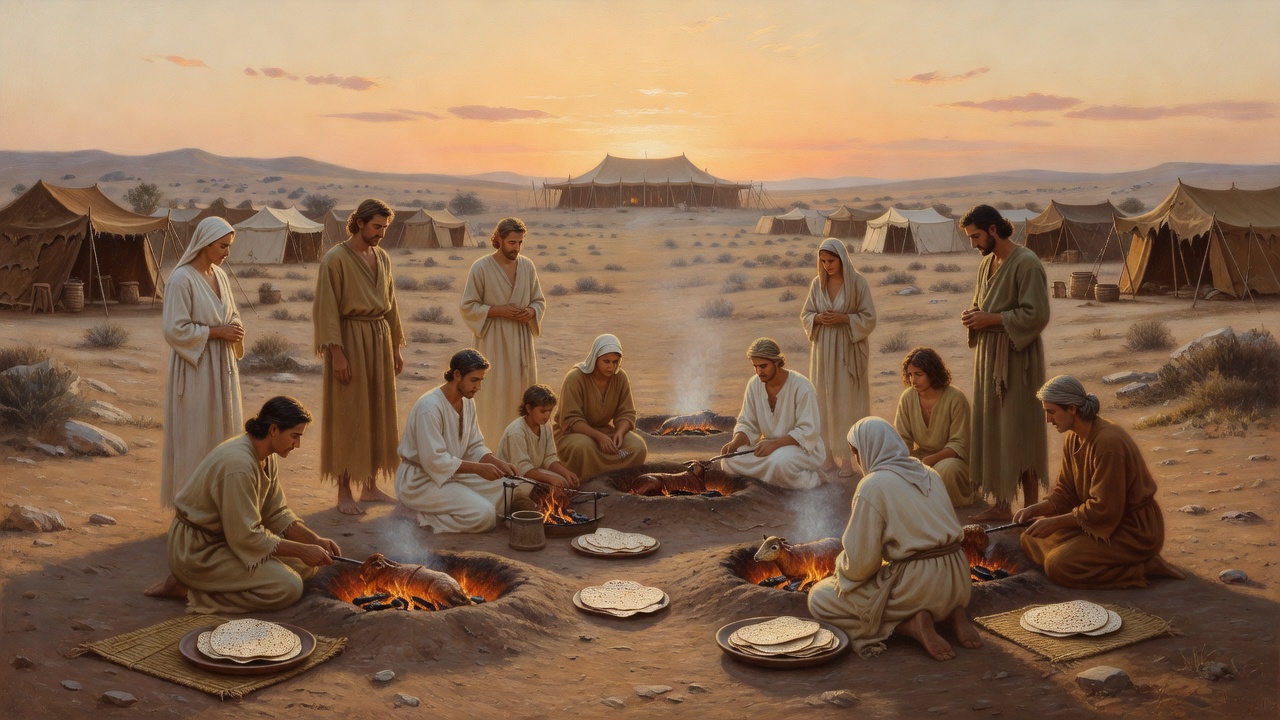
Did you know?
Appointed Feasts and Righteous Justice
- Deuteronomy mandates three annual pilgrimage festivals—the Feast of Unleavened Bread (Passover), the Feast of Weeks, and the Feast of Tabernacles. For these occasions, the men of Israel were required to travel and appear before God not in their local towns, but at the specific central location chosen as a dwelling for His Name.Sources: the Bible text itself
- The celebrations of the Feast of Weeks and the Feast of Tabernacles explicitly included vulnerable members of society, such as servants, Levites, foreigners, orphans, and widows. These communal rejoicings were tied to the memory of Israel's liberation from slavery in Egypt.Sources: the Bible text itself
- In addition to religious assemblies, the text commands the appointment of local judges and officials across every town. They were forbidden from taking bribes or showing partiality, establishing the standard to pursue justice alone throughout the land.Sources: the Bible text itself
Notes written with AI assistance from open sources (Theographic Bible Metadata, CC BY-SA 4.0; Easton’s Bible Dictionary, public domain) and reviewed before publishing.
Places in this chapter
Only places identified with high confidence are shown (90% or more according to the scholarly sources compiled by OpenBible). Period map: DARE (Digital Atlas of the Roman Empire), CC BY 4.0; modern map: © OpenStreetMap contributors; places: OpenBible.info (CC BY 4.0).
Credits and license for this translation
Baibal Olcim
The Holy Bible in the Matupi Chin language of Mynmar with Strong's numbers
Public Domain
Language: Matupi Chin (Chin, Matu)
Published in Mynmar, which is not a signatory to international copyright treaties. Copyright may apply locally in Mynmar.
2026-07-16
Source: http://ebible.org/hlt/ · eBible.org