Colossians 3
Baibal Olcim · Tap a verse to see its cross-references.
Hlanghing Thai kah Khosak a thai
1Khrih te na thoh puei tangloeng atah soben hno te toem uh. Te ah te Pathen kah bantang ah aka ngol Khrih om. 2Soben kah hno te poek uh , diklai hmankah hno te poek uh boeh. 3Na duek uh coeng dae nangmih kah hingnah tah Pathen taengah Khrih neh a thuh coeng. 4Nangmih kah hingnah Khrih te a phoe vaengah nangmih khaw amah neh thangpomnah dongah na phoe uh van bitni. 5Te dongah diklai hmankah Cukhalnah, rhongingnah, huebawtnah, a thae la hoehhamnah neh mueibawknah la aka om halhkanah dongah pumrho te duek sak uh. 6Te rhoek kongah Pathen kah kosi loh althanah a ca rhoek te a thoeng thil. 7Te rhoek neh na hing vaengah nangmih khaw te rhoek taengah na pongpa noek uh coeng. 8Tedae nangmih loh, kosi, thinsanah, phayoenah, soehsalnah, nangmih ka lamkah ol rhong ol ing boeih te hnawt uh van laeh. 9Khat neh khat taengah laithae uh boeh. Hlang rhuem te a khoboe neh pit uh. 10Amah aka suen kah mueimae bangla mingnah dongah a dawn aka sai tangtae hlang thai te bai uh. 11Te ah te Greek neh Judah, yahvinrhetnah neh pumdul, kholong, hlang tlung, sal, aka loeih ti om pawh. Tedae Khrih tah cungkuem dongah cungkuem la om.
Khrihca Khosak
12Te dongah Pathen kah a coelh rhoek, aka cim neh a lungnah rhoek vanbangla, sitlohnah kotak, rhennah, tlayaenah, muelhtuetnah, thinsennah te bai uh. 13Khat neh khat naem uh thae lamtah amah mah ah rhen uh thae. Pakhat loh pakhat soah kamkaihnah a khueh atah, Boeipa loh nangmih khodawk a ngai vanbangla nangmih van long khaw khodawkngai uh. 14A cungkuem neh he rhoek soah lungnah thap thil. Te tah a soepnah dongkah pinyennah la om coeng . 15Te phoeiah Khrih kah ngaimongnah tah nangmih kah thinko ah cuhlui sak. Te ham ni pum pakhat la n'khue van dongah uemonah khueh uh. 16Khrih kah olka tah nangmih khuiah kodam la om sak. Cueihnah cungkuem dongah khat neh khat thuituen uh lamtah rhalrhing sak uh. Pathen ham nangmih thinko ah lungvatnah neh tingtoeng, bawknah laa, mueihla laa te sa uh. 17Mebang khaw na saii uh boeih te tah olka dongah khaw, bitat dongah khaw Boeipa Jesuh ming neh boeih sai uh lamtah amah lamloh pa Pathen te uem uh.
Khrihca Imkhui
18Huta rhoek Boeipa ah a rhoeprhoi vanbangla na va rhoek taengah boengai uh. 19tongpa rhoek na yuu rhoek te lungnah uh lamtah amih te a mueipuel sak boeh. 20Ca rhoek a cungkuem dongah na manu na napa te a olngai pa uh. He tah Boeipa dongah kolo koi la om. 21Pa rhoek, na ca rhoek te cahawh uh boeh. Te daengah ni a ko a bawt uh pawt eh. 22Sal rhoek, a cungkuem ah pumsa kah vanbangla na boei rhoek te olngai pa uh. Kolopatai rhoek bangla mikhmuh dawk ah pawt tih thinko moeihoeihnah neh Boeipa te rhih uh. 23Na saii uh coeng te tah na hinglu neh saii uh. Te te Boeipa ham ni hlang ham moenih. 24Boeipa lamkah rho thapang na dang uh bitni tila ming uh. Te te Khrih boeipa kah sal ni na bi uh. 25Aka thae loh a thae te a dang vetih maelhmai sawtnah om mahpawh.
Did you know?
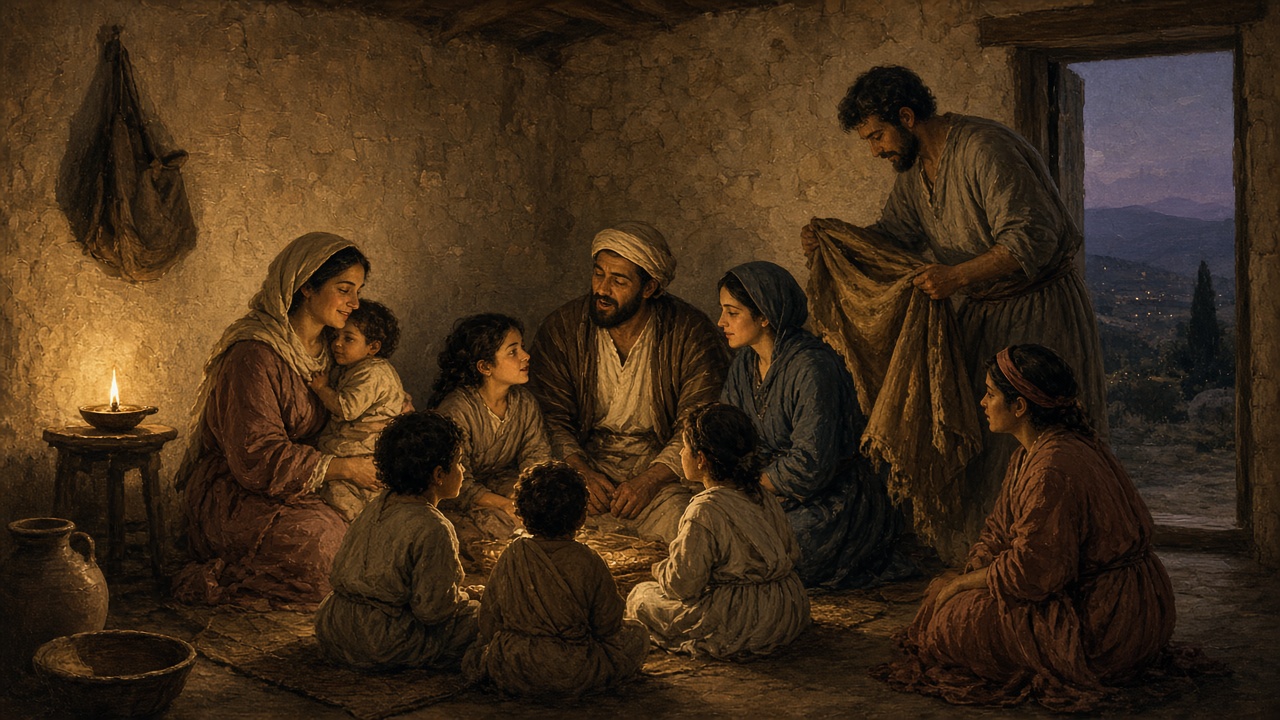
New life in one body and at home
- This chapter pictures a changed life as a change of clothing. Readers are said to have taken off the old self with its practices and put on the new self, which is being renewed in knowledge in the image of its Creator. They are then told to clothe themselves with hearts of compassion, kindness, humility, gentleness, and patience, and to put on love over all these virtues as the bond of perfect unity.Sources: the Bible text itself
- The chapter lists Greek and Jew, circumcised and uncircumcised, barbarian, Scythian, slave and free, and declares that here none of these distinctions remains, because Christ is all and is in all.Sources: the Bible text itself
- The chapter then gives instructions for household relationships: wives and husbands, children and parents, and slaves and their earthly masters. Fathers are warned not to provoke their children, so that the children will not become discouraged. Slaves are told to obey with sincerity of heart, not only while they are being watched, and to work with their whole being for the Lord rather than for men, with the promise of an inheritance from the Lord as a reward; whoever does wrong will be repaid, and there is no favoritism.Sources: the Bible text itself
Notes written with AI assistance from open sources (Theographic Bible Metadata, CC BY-SA 4.0; Easton’s Bible Dictionary, public domain) and reviewed before publishing.
Credits and license for this translation
Baibal Olcim
The Holy Bible in the Matupi Chin language of Mynmar with Strong's numbers
Public Domain
Language: Matupi Chin (Chin, Matu)
Published in Mynmar, which is not a signatory to international copyright treaties. Copyright may apply locally in Mynmar.
2026-07-16
Source: http://ebible.org/hlt/ · eBible.org