1 Samuel 4
Baibal Olcim · Tap a verse to see its cross-references.
Philisti loh Thingkawng A Loh
1Te phoeiah Samuel ol Israel pum taengla pawk. Te dongah Israel tah caem khuikah Philisti te mah hamla cet tih Ebenezer ah rhaeh uh. Te vaengah Philisti tah Aphek ah rhaeh. 2Philisti khaw Israel mah ham rhong a pai uh tih caemtloek khaw a yaal uh. Te vaengah Israel tah Philisti mikhmuh ah yawk tih hlang thawng li tluk te lohma li ah maehlaep bangla a tloek uh. 3Te dongah pilnam loh rhaehhmuen la a pawk uh vaengah Israel khuikah a hamca rhoek te, “Tihnin ah tah BOEIPA loh balae tih mamih he Philisti mikhmuh ah n'yawk sak? BOEIPA kah paipi thingkawng te Shiloh lamloh mamih taengla lo uh sih. Mamih lakli la ha pawk daengah ni thunkha kut lamkah mamih n'khang eh?,” a ti uh. 4Te dongah pilnam te Shiloh la a tueih tih te lamkah Caempuei BOEIPA kah paipi thingkawng, kherubim kah a ngol thil te a koh uh. Te vaengah Eli ca rhoi Hophni neh Phinekha khaw Pathen kah paipi thingkawng taengah om rhoi. 5BOEIPA kah paipi thingkawng te rhaehhmuen la ha pawk vaengah Israel pum loh tamlung neh muep yuhui uh tih diklai khaw pangngawl. 6Tamlung ol te Philisti loh a yaak vaengah, “Hebrew rhaehhmuen ah mebang tamlung ol lae rhup rhup aka khap uh te,” a ti uh. Tedae rhaehhmuen la BOEIPA thingkawng ha pawk te a ming uh. 7Te vaengah Philisti rhoek loh, “Rhaehhmuen khuila Pathen ha pawk coeng,” a ti uh tih a rhih uh. Te dongah, “Anunae, hlaem hlavai ah khaw mamih taengah he bang he a om moenih. 8Anunae mamih aih he, hmasoe cungkuem neh khosoek ah Egypt aka ngawn Pathen, aka khuet Pathen kut lamloh ulonglae mamih ng'huul eh? 9Tanglue uh lamtah Philisti hlang bangla om uh, nangmih taengah a thohat bangla Hebrew taengah na thoatat uh ve. Hlang bangla om uh lamtah tloek uh,” a ti uh. 10Tedae Philisti rhoek loh a tloek uh vaengah Israel yawk tih hlang boeih loh amah kah dap la rhaelrham uh. Te vaengah hmasoe len muep om tih Israel rhalkap thawng sawmthum tah vik cungku uh. 11Pathen kah thingkawng te vik a loh uh tih Eli ca rhoi Hophni neh Phinekha khaw duek.
Eli Kah A Dueknah
12Te vaengah caem lamkah Benjamin hlang pakhat te yong tih hnin at neh Shiloh a pha. Tedae a himbai te a phen, tih diklai neh a lu a phul thil. 13A pha vaengah Eli tah longpuei hmatoeng bawt kah ngolkhoel dongah pahoi ana ngol. A lungbuei a om dongah Pathen thingkawng ham te a thuen doela a tawt. Te vaengah khopuei ah puen hamla hlang ha pai tih khopuei khaw boeih pang.
14Pangngawlnah ol te Eli loh a yaak vaengah, “Me lamkah hlangping ol lae he,” a ti nah.
Te vaengah hlang koe halo tih Eli taengah a puen pah. 15Eli tah kum sawmko kum rhet a lo ca coeng dongah a mik hmaang tih hmu thai voel pawh. 16Tekah hlang loh Eli taengah, “Caem lamkah ka pawk coeng. Kai khaw tihnin ah caem lamkah ka rhaelrham,” a ti nah.
Te vaengah, “Kai ca taengah mebang hno lae aka thoeng,” a ti nah.
17Ol aka phong loh a doo tih, “Israel te Philisti mikhmuh ah a rhaelrham van hatah pilnam khuiah lucik la muep om tih nang ca rhoi Hophni neh Phinekha khaw duek coeng, Pathen kah thingkawng khaw a khuen coeng,” a ti nah.
18Pathen kah thingkawng te a poek vaengah ngolkhoel dong lamloh vongka hmatoeng ah a hnuk la palet uh tih a rhawn a tlawt pah. Tekah hlang patong aka duek te rhih. Tedae amah loh Israel te kum sawmli lai a tloek pah. 19Te vaengah Phinekha kah a yuu, amah langa tah vawn tih om tom coeng. Te vaengah olthang te Pathen thingkawng a khuen khaw, a marhang neh a va duek khaw a yaak. Te dongah sop uh tih camoe pahoi om. Tedae anih te a kuihlam loh a voeih. 20A duek tue vaengah tah a taengkah aka pai rhoek loh, “Capa na cun coeng dongah rhih boeh,” a ti na uh. Tedae doo voel pawt tih a lungbuei pael voel pawh. 21Tedae Pathen kah thingkawng a loh uh dongah Israel kah a thangpomnah khaw, a marhang khaw, a va khaw khum coeng,” a ti tih camoe te Ikhabot a sui. 22Te dongah, “Pathen kah thingkawng a loh uh dongah Israel kah thangpomnah khaw khum van,” a ti.
Did you know?
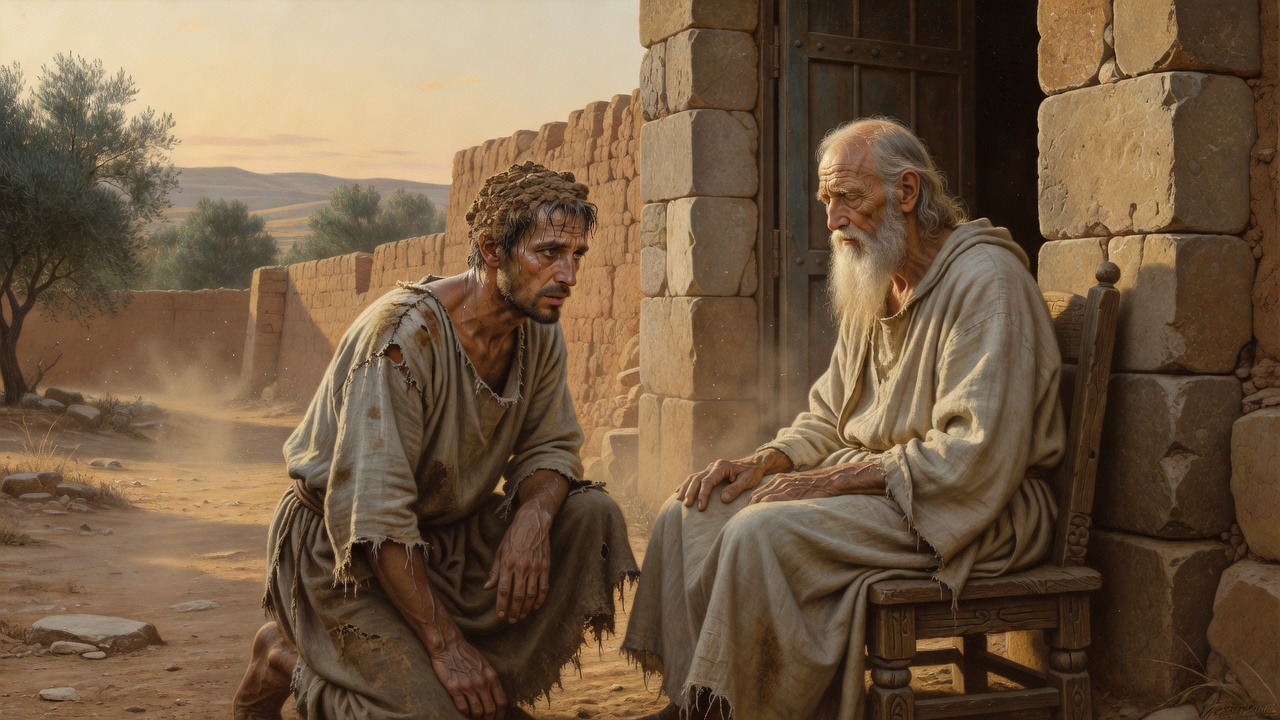
The Ark Captured and the Fall of Eli's House
- The campsite name Ebenezer, meaning stone of help, appears here by anticipation. Samuel did not actually erect and name the memorial stone until years later, following a subsequent victory over the Philistines.Sources: Ebenezer · the Bible text itself
- The Philistines were terrified when the Ark arrived in the Hebrew camp, demonstrating that knowledge of the plagues brought upon Egypt had spread among neighboring peoples in the ancient Near East.Sources: the Bible text itself
- Eli had judged Israel for forty years before dying from a broken neck upon hearing of the Ark's capture and the deaths of his sons Hophni and Phinehas in battle.Sources: Eli · Hophni · Phinehas · the Bible text itself
Notes written with AI assistance from open sources (Theographic Bible Metadata, CC BY-SA 4.0; Easton’s Bible Dictionary, public domain) and reviewed before publishing.
Places in this chapter
- Aphek · Today: Tell Ras el Ain · 32.105, 34.930 · verse 1
- Shiloh · Today: Khirbet Seilun · 32.056, 35.290 · verses 3, 4, 12, 13
Only places identified with high confidence are shown (90% or more according to the scholarly sources compiled by OpenBible). Period map: DARE (Digital Atlas of the Roman Empire), CC BY 4.0; modern map: © OpenStreetMap contributors; places: OpenBible.info (CC BY 4.0).
Credits and license for this translation
Baibal Olcim
The Holy Bible in the Matupi Chin language of Mynmar with Strong's numbers
Public Domain
Language: Matupi Chin (Chin, Matu)
Published in Mynmar, which is not a signatory to international copyright treaties. Copyright may apply locally in Mynmar.
2026-07-16
Source: http://ebible.org/hlt/ · eBible.org