Matthew 11
परमेस्वर को सच्चो वचन ख जाननू · Tap a verse to see its cross-references.
यीसु अऊर यूहन्ना बपतिस्मा देन वालो
1अपना बारा चेला हुन ख यू कैय देन का बाद यीसु वहाँ से चलो गयो, अऊर उ यहूदी हुन को सहर हुन म सिखान लग गयो अऊर अच्छी खबर को बारे म परचार करन लग गयो।
2यूहन्ना न, जेल खाना म मसी को काम हुन की खबर सुनियो अर अपना चेला हुन से यू पूछन ख भेज्यो, 3“का आन वालो तूईच आय, कि हम अऊर कोई को रस्ता देखे?”
4यीसु न उनका बोल्यो, “जे कुछ तुम सुना हैं अऊर देखा हैं, उ सब जा ख यूहन्ना से बोल देव, 5अंधा देखा हैं अऊर लंगाडा हुन चला फिरा हैं, अऊर कोढ ख रोगी हुन सुध्द होते जावा सुध्द हैं, अर बहिरा हुन सुनते जावा हैं, मुर्दा हुन ख जिन्दो करो जाय हैं, अर गरीब हुन ख सुसमाचार सुनायो जावा हैं। 6अऊर भलो हैं उ, जो मोरो वजेसे ठोकर नी खान को।”
7जब वी वहा से चल दिया, ते यीसु यूहन्ना को बारे म लोग हुन से कह न लग गयो, “तुम जंगल म का देखन ख गया हता? का हवा से हलते हुए सरकण्डा ख? नी 8ते फिर तुम का देखन ख गया रहा? का बड़िया कपड़ा पहिनिया वाला इंसान हुन ख? देखनु, जो बड़िया कपड़ा हुन पहिना हैं, वी राजा को महल म रहवा हैं। 9ते तुम फिर काहे गया रहा? का कोई भविस्यवक्ता ख देखन ख? हाँ मी तुम से कहूँ हैं कि भविस्यवक्ता से भी बड़ो ख। 10यू उईच आय, जेको बारे म ग्रंथ लिखो हैं, ‘परमेस्वर बोला हैं: देखनो, मी अपनो दूत ख तुमरो आगे भेजू हैं, जो तोरो आगे तोरो रस्ता तैयार करेगों।’ 11मी तुम से सच कहूँ हैं, कि जे बाई चारा हुन से से पैदा भया हैं, ओमा से यूहन्ना बपतिस्मा देन वालो से कोई बड़ो नी भयो। फिर भी, पर जो स्वर्ग ख राज म सबसे छोटो हैं, उ यूहन्ना से बड़ो हैं। 12यूहन्ना बपतिस्मा देन वालो को बखत से अबा लक स्वर्ग ख राज म बेधड़क आनो जानो होते रयो हैं, अऊर बलवान ओखा छीन लेवा हैं। 13काहेकि सब भविस्वक्ता अर नेम यूहन्ना को बखत लक भविस्यवानी करते रया हैं। 14अर चाहे तुम माने ते मोरी बात ख मान लेव कि एलिय्याह जो आवन वालो हतो, उ युईच आय। 15जेका कान होय, उ सुन लेहे।
16“मी इ दुनिया कि तुलना कोसे करू?” वी बजार म बैठिया वाला पोरिया हुन क जसा हैं जो अपना संगी हुन ख हाँका लगा-लगा क बोलत होए: 17हम न तुमारो लाने बाँसुरी बजाई अऊर तुम नी नचीया; हम न दुख मनायो पर तुम न दुख नी मनायो। 18काहेकि यूहन्ना न खाते आयो, न पीते, अऊर वी कहत रा “ओमा दुस्टात्मा हैं।” 19इंसान को पोरिया आयो। उ मामूली इंसान को जसो खावा पीवा हैं अऊर इंसान हुन बोला हैं: देखो, यू इंसान भूक्कड़ अर पेटू हैं। कर लेन वालो को संगी अधिकारी अर पापी हुन को दोस्त हैं।
भरोसा नी करनो पर धितकार
20तब यीसु वी सहर हुन ख धितकारन लग गयो जिनमा ओ ना सामर्थ्य ख ढ़ेर सारा काम करिया रहा, पर वहा का रहन वाला न यी सामर्थ्य को काम देख ख भी मन नी फिरायो करयो रहा। 21यीसु न कय्हो, धितकार तोखा, खुराजीन! धितकार तोखा बैतसैदा! जो सामर्थ्य को काम तोमा करिया गया रहा हैं, अदि वी सूर अर सैदा म किया जाता, ते बोरा टाट ओढ़ ख, अर राँक म बैठ ख वी कब का मन फिरा लेता। 22एकोलाने मी तुम से कहूँ हैं कि, न्याय को दिन तोरी दसा से सूर अर सदोम कि दसा कही जादा सहन करन को लायक होए। 23अरे, कफरनहूम, का तू स्वर्ग लक ऊँचो करो जाएगो? तू ते अधोलोक लक नीचे गिरा दियो जाहे; काहेकि जे सामर्थ्य को काम जो तोमन काम करया गया रा, अदि वी सदोम म करा जाता, ते उ आज लक बनो रहतो। 24एकोलाने मी तोसे कहूँ हैं कि न्याय को दिन तोरी दसा से भली सदोम देस कि दसा कई जादा सहन करन को लायक हैं।
मोरो जोने आव मी तुमखा आराम देहु
25वा बखत यीसु न कय्हो, “बाप! स्वर्ग अर जमीन को प्रभु! मी तोरी बड़ाई करूँ हैं; काहेकि तुना यी सब बात हुन ख ग्यानी अर समझदार हुन से छुपा ख रखयो; पर बाल-बच्चा हुन पा परगट करयो हैं। 26हाँ, बाप! यूइच ही तोखा अच्छो लगियो।”
27मोरो बाप न मोखा सब कुछ सोपियो हैं। अर पोरिया ख कोई नी जाना, पर सिर्फ पोरिया; अऊर न कोई परमेस्वर ख जाना हैं, पर सिर्फ बाप; अर नी कोई बाप का जाना सिर्फ पोरिया अर उ जेपर पोरिया ओखा प्रगट करनो चाहे। 28“अरे सब हरा-थकिया वाला बोझ से दबिया वाला इंसान! मोरो जोने आव। मी तुम ख आराम देहु। 29मोरो बोझ अपनो ऊपर ले लेव अऊर मोसे सिखो; काहेकि मी सुभाव से मन म नम्र अर दीन हैं। असो कर ख तुम मन म सान्ति पायगो, 30काहेकि मोरी बोझ सहज हैं अऊर मोरो बोझ हलको हैं।”
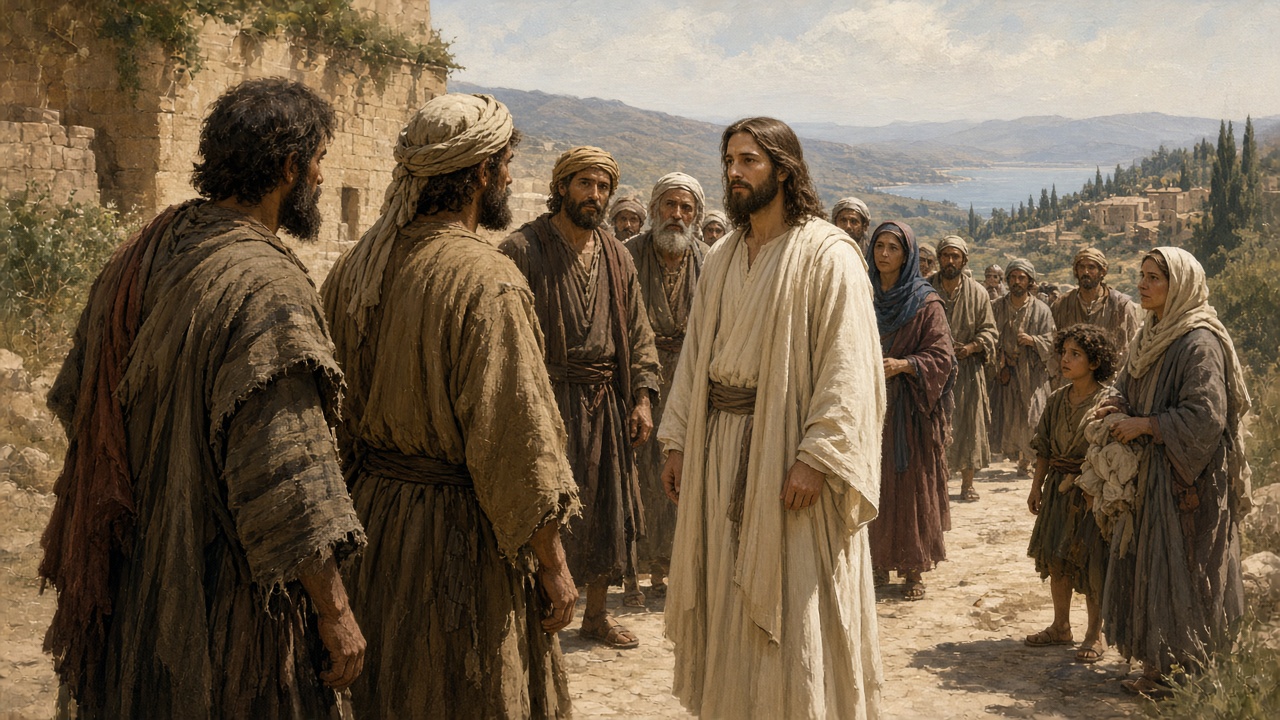
Did you know?
John's question and the cities that did not repent
- From prison, John sent his disciples to ask whether Jesus was the one who was to come. Jesus told the crowds that John was more than a prophet—the messenger sent ahead to prepare the way—and, if they were willing to accept it, the Elijah who was to come. A Bible dictionary calls John the forerunner and says his mission was already the subject of prophecy, citing Isaiah 40:3 and Malachi 3:1; it also introduces Elijah as the Elias of the New Testament.Sources: the Bible text itself · John the Baptist · Elijah
- Jesus then denounced Chorazin, Bethsaida, and Capernaum, where most of his miracles had been performed, because they did not repent. A dictionary identifies Chorazin with modern Kerazeh, about two and a half miles up the Wady Kerazeh from Capernaum, and says that Capernaum, absent from the Old Testament, became Jesus' own city after he left Nazareth. It places Bethsaida on the east side of the lake, two miles up the Jordan in Gaulonitis, enlarged by Philip the tetrarch and named Julias after the emperor's daughter, though some have supposed there was only one Bethsaida, near where the Jordan enters the lake.Sources: the Bible text itself · Chorazin · Capernaum · Bethsaida
- He set those cities against Tyre and Sidon, which he said would have repented long ago in sackcloth and ashes, and against Sodom, which he said would have remained to this day. Sidon, on the Mediterranean coast about twenty-five miles north of Tyre, was the oldest Phoenician city there and the mother city of Tyre. A dictionary says the commerce of the whole world was gathered into Tyre's warehouses, and that Sodom, in the vale of Siddim, was destroyed by fire from heaven so completely that no trace of it has been found.Sources: the Bible text itself · Sidon · Tyre · Sodom
Notes written with AI assistance from open sources (Theographic Bible Metadata, CC BY-SA 4.0; Easton’s Bible Dictionary, public domain) and reviewed before publishing.
Places in this chapter
- Galilee · 32.760, 35.527 · verse 1
- Sidon · Today: Sandikli archaeological site in Sidon · 33.561, 35.372 · verses 21, 22
- Tyre · 33.271, 35.196 · verses 21, 22
Only places identified with high confidence are shown (90% or more according to the scholarly sources compiled by OpenBible). Period map: DARE (Digital Atlas of the Roman Empire), CC BY 4.0; modern map: © OpenStreetMap contributors; places: OpenBible.info (CC BY 4.0).
Credits and license for this translation
परमेस्वर को सच्चो वचन ख जाननू
The New Testament in the Halbi language of India, Devanagari script: परमेस्वर को सच्चो वचन ख जाननू (Bible)
copyright © 2023 The Word for the World International and Mehra Bhasha Samiti, Betul, (M.P.)
Language: (Halbi)
Contributor: The Word for the World South Asia
परमेस्वर को सच्चो वचन ख जाननू
The New Testament in Mehra Language
The Word For The World
This translation is made available to you under the terms of the
Creative Commons Attribution Share-Alike license 4.0.
You have permission to share and redistribute this Bible translation in any format and to make reasonable revisions and adaptations of this translation, provided that:
You include the above copyright and source information.
If you make any changes to the text, you must indicate that you did so in a way that makes it clear that the original licensor is not necessarily endorsing your changes.
If you redistribute this text, you must distribute your contributions under the same license as the original.
Pictures included with Scriptures and other documents on this site are licensed just for use with those Scriptures and documents.
For other uses, please contact the respective copyright owners.
Note that in addition to the rules above, revising and adapting God's Word involves a great responsibility to be true to God's Word. See Revelation 22:18-19.
2025-05-03
Source: http://ebible.org/hlb/ · eBible.org