1 Thessalonians 4
Khoryenkom Karyehtanà · Tap a verse to see its cross-references.
Onà wyaro ryhe oyesnàr komo xe naha Khoryenkomo katxhàrà on ha.
1Rowtà komo y, onà wyaro ryhe amna ahananàhyatxhe, amna wya àtàhkatxehkahra ro rma haka. Amnyehra amna nekarymanàrà menytxatxownà. Onà wyaro ryhe tehxorye manatxhe, ohxe roro oyehtxoho menye, kekonà amna, owyanye. Onà wyaro ryhe Khoryenkomo eyuhtxoko, kekon xarha amna, owyanye. Amna nekarymatxho yawo ro rma manatxow hatà. Àro hoko roro rma haxa ehtxoko nyhe. Àro wyaro amna ahananàhyatxhe, teryewrye ro, Txesus yano me mak ha, Kohkom yano me mak ha. 2Noro yano me, amna ahananàhyatxkonà, amnyehra. Amna wya ahananàhàthàyamo rma muhutwetxow hamà.
3Onà wyaro ryhe oyesnàr komo xe naha, Khoryenkomo. Enyhoru ro me oyesnàr komo xe naha. Àro ke, anaro rha wos hokohra ro mak ehtxoko. 4Onà wyaro uhutwatxoko, ohehtatho komo. Ohetxe ro komo ahohtxoko. Ohetxe yahosnye rma, enyhoru ro me ehtxoko. Ohxe rma haxa ohetxe xenytxoko.
5Anar komo wyarohra mak ehtxoko. Wos hoko rma haxa nehohketxow hamà, nyamoro ha, Khoryenkomo hutwanyehnà komo. Tanhàn kom hoko rma haxa nehohketxow hamà. Omnyamo ryhe, nyamoro wyarohra ro mak ehtxoko. 6Kowtà hetx hoko kehtoko, kowtà rma tàxanomkahnohyan hamà. Oyowtà komo xanomkahnohpàra ro mak ehtxoko. Owyanye àxanomkahnohnàtok haxa, ayanàhnohyatxhe hampànà, Kohkomo, àhetxenhàr hoko oyehtokony mak ha. Àro wyaro atxke tehxemàtho komo yanàhnohyatxhe hampànà, Kohkomo. Àro hoko ryhe, yaworo xaxa mpànà amna nkehe ha, kekonà rma amna, owyanye.
7Tàmryenon me ryhe kwahanonkatxownà, Khoryenkomo. Kanhàn kom hoko kehtxoho menyehra ryhe kwahanonkatxownà. Enyhoru ro me kehtxoho meny haxa ryhe kwahanonkatxownà. 8Àro ke, anaro rha wos hoko oyehtokonye, urohnà ryhe manwekyatxhe. Totohnà rma manwekyatxhe. Khoryenkom haxa ryhe manwekyatxhe. Noro ryhe, tokato yàmnye me naha, owyanye. Enyhoru ro rma yàmnye me naha, owyanye. Noro rma manwekyatxow hamà, anaro rha wos hoko oyehtokony mak ha.
9Khoryenkomo wya, osox ehtxoko, katxho me manatxow hamà. Àsok tawro hana, Khoryenkomo nhananàhàtho me oyesnàr kom ke hamà. Àro ke, oyowtà komo xe ehtxoko katxho hoko, àmenhohra harha wehxaha, ohyakanye. 10Oyowtà komo xe xaxa manatxow hatà. Maseknonya yamtar hon komo xe xaxa manatxow hatà. Onà wyaro mak amna nkehe, teryewrye ro, owyanye, rowtà komo y. Osoxe rma haxa ehtxoko nyhe, kehe amna, owyanye.
11Oseryehokahra oyehtxoho kom hoko roro rma haxa ehtxoko. Oyomyawon kom hoko roro rma haxa ehtxoko. Ayamor kom ke ayatamohtxoho kom hoko roro rma haxa ehtxoko. Àro wyaro ryhe amna ahananàhyatxkonà, amnyehra. 12Àro hona ro rma haxa ehtxoko, ohxe xaxa manaha, katxho me oyehtxoho menye, anar komo wya, Kohkomo hutwanyehnà komo wya. Àro hona ro rma haxa ehtxoko, uro nyhe txko rokatxho kahra harha oyehtxoho menye.
Kohkomo ryhe nomokyaha hampànà kahe yaye katxhàrà on ha.
13Rowtà komo y, àwayehxemotho komo hutwanàr xe amna naha, owyanye. Oyekhokanàr komo xehra ro mak amna naha, àhokonye. Anar komo ryhe nekhoketxhe, àwayehxemotho kom hoko. Àsok tawro hana, tasanàmtoho kom hona rohra tesnàr kom ke hamà. Nyamoro wyarohra ro mak oyesnàr komo xe amna naha.
14Txesusu wayehye. Nasanàmye harha. Àro wyaro hamà, kanye ro me tehxatxhe, kàwyamo. Àro ke, àwayehxemotho komo yokyaha harha, Khoryenkomo. Txesus yakoro ryhe nekyatxhe harha. Txesusu nànàknohàtho komo ryhe nyamoro ha.
15Kohkomo rwon yano me ryhe, onà wyaro amna nekarymehe, owyanye. Ànàknohàthàyamotho wahrokotohra xaxa mpànà tehxatxhe ha, kàwyamo, àwayehpàn komo, Kohkomo yomohtoho ho toknomsom komo. 16Àsok tawro hana. Kohkomo ryhe nomokyaha hampànà, kahe yaye. Anotomano ynye ro komo rwonà wyarono ryhe tenytxetxhe hampànà. Kahe yawon komo yohà rwonà ryhe tenytxetxhe hampànà. Khoryenkomo waxurunu ryhe tenytxetxhe hampànà. Wahoro htxero mpànà nasanàmyatxhe ha, àwayehxemotho komo, Kryestu hona xenye rotho komo. 17Nyamoro yasanàmàtxhe rma, tasanàmyatxhe hampànà, kàwyam xarha, àwayehpàra ehxah komo, oknomsaho ryetho komo rma. Kanàmyatxhe hampànà, Khoryenkomo. Àwayehxemotho kom yakoro ryhe, tasanàmyatxhe hampànà, kahrutun waka. Àto ryhe, tehoryatxhe hampànà, Kohkomo. Àro wyaro kexetxhenye, noro hyawo roro mpànà tehxatxhe ha.
18Àro ke, àro wyaro tawro ke ryhe, othananàhtxoko, omnyamo ro rye rma, oseryehokahra oyehtxoho menye.
Did you know?
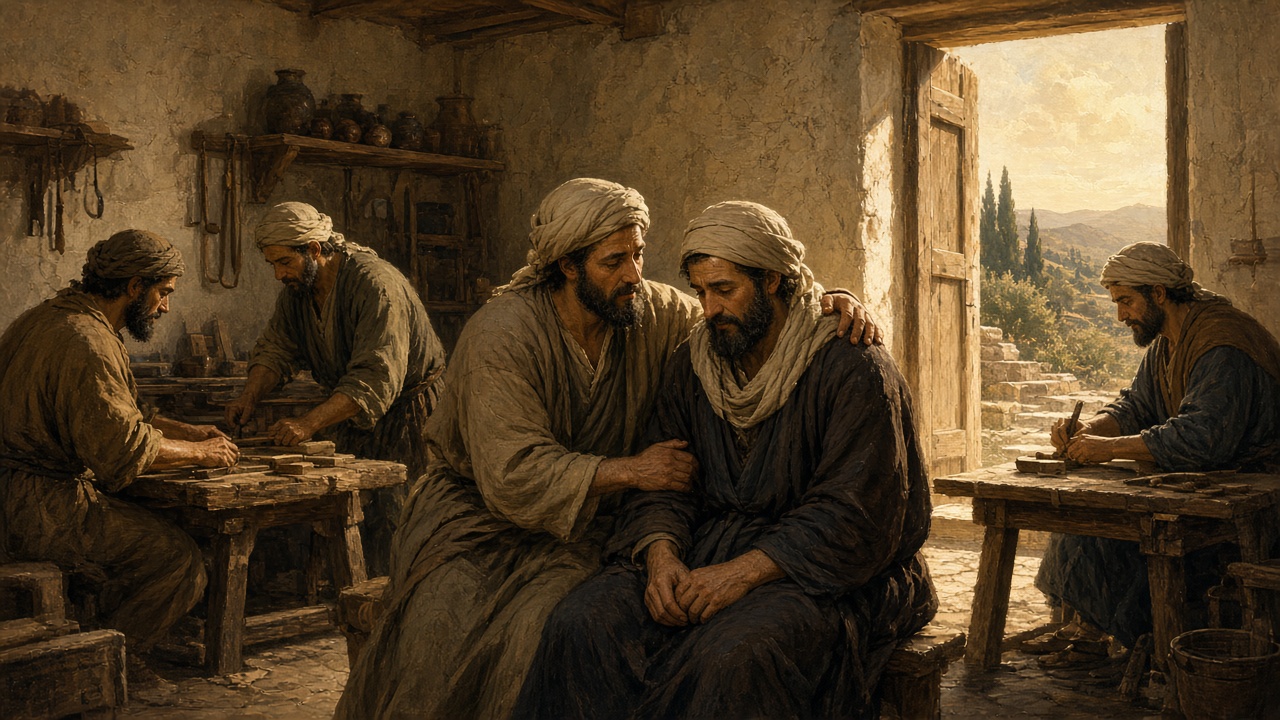
Holiness, Love, and Hope for the Dead
- This chapter notes that its readers were already showing love to all the brothers throughout Macedonia. In New Testament times Macedonia was a Roman province lying north of Greece, governed by a propraetor with the title of proconsul. Paul was summoned by a vision of the "man of Macedonia" to preach the gospel there.Sources: the Bible text itself · Macedonia
- The chapter speaks of the dead as people who sleep or have fallen asleep, and it asks the readers not to grieve like the rest, who have no hope. Because Jesus died and rose again, it says, God will bring with Jesus those who have fallen asleep in him; the dead in Christ will rise first, and then those still alive will be caught up with them in the clouds to meet the Lord in the air.Sources: the Bible text itself
- The readers are urged to aspire to a quiet life, to attend to their own matters, and to work with their own hands, as they had already been instructed. The chapter presents this as the way to behave properly toward outsiders and to avoid being dependent on anyone.Sources: the Bible text itself
Notes written with AI assistance from open sources (Theographic Bible Metadata, CC BY-SA 4.0; Easton’s Bible Dictionary, public domain) and reviewed before publishing.
Places in this chapter
- Macedonia · 41.600, 22.540 · verse 10
Only places identified with high confidence are shown (90% or more according to the scholarly sources compiled by OpenBible). Period map: DARE (Digital Atlas of the Roman Empire), CC BY 4.0; modern map: © OpenStreetMap contributors; places: OpenBible.info (CC BY 4.0).
Credits and license for this translation
Khoryenkom Karyehtanà
New Testament in Hixkaryána (BR:hix:Hixkaryána)
copyright © 2012 Wycliffe Bible Translators, Inc.
Language: Hixkaryána
Translation by: Wycliffe Bible Translators, Inc.
Hixkaryána [hix], Brazil
Copyright Information
© 2012, Wycliffe Bible Translators, Inc. All rights reserved.
This translation text is made available to you under the
terms of the Creative Commons License: Attribution-Noncommercial-No Derivative Works.
( http://creativecommons.org/licenses/by-nc-nd/3.0/ )
In addition, you have permission to port the text to different file formats, as long as you
do not change any of the text or punctuation of the Bible.
You may share, copy, distribute, transmit, and extract portions
or quotations from this work, provided that you include the above copyright
information:
You must give Attribution to the work.
You do not sell this work for a profit.
You do not make any derivative works that change any of the actual words or punctuation of the Scriptures.
Permissions beyond the scope of this license may be
available if you contact
us with your request.
The New Testament
in Hixkaryána
© 2012, Wycliffe Bible Translators, Inc. All rights reserved.
This translation is made available to you under the terms of the
Creative Commons Attribution-Noncommercial-No Derivatives license 4.0.
You may share and redistribute this Bible translation or extracts from it in any format, provided that:
You include the above copyright and source information.
You do not sell this work for a profit.
You do not change any of the words or punctuation of the Scriptures.
Pictures included with Scriptures and other documents on this site are licensed just for use with those Scriptures and documents.
For other uses, please contact the respective copyright owners.
2014-04-25
Source: http://ebible.org/hixNT/ · eBible.org