Leviticus 18
इंडियन रिवाइज्ड वर्जन (IRV) हिंदी - 2019 · Tap a verse to see its cross-references.
यौन नैतिकता का नियम
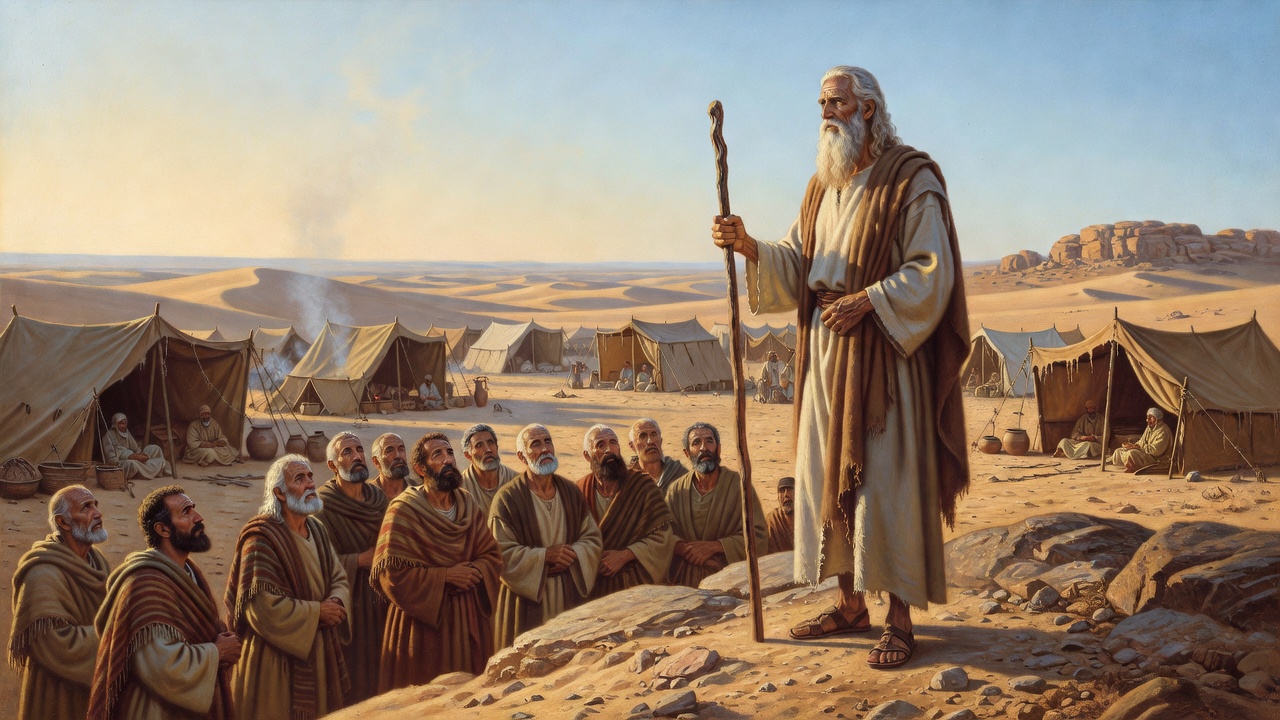
1फिर यहोवा ने मूसा से कहा, 2“इस्राएलियों से कह कि मैं तुम्हारा परमेश्वर यहोवा हूँ। 3तुम मिस्र देश के कामों के अनुसार, जिसमें तुम रहते थे, न करना; और कनान देश के कामों के अनुसार भी, जहाँ मैं तुम्हें ले चलता हूँ, न करना; और न उन देशों की विधियों पर चलना। 4मेरे ही नियमों को मानना, और मेरी ही विधियों को मानते हुए उन पर चलना। मैं तुम्हारा परमेश्वर यहोवा हूँ। 5इसलिए तुम मेरे नियमों और मेरी विधियों को निरन्तर मानना; जो मनुष्य उनको माने वह उनके कारण जीवित रहेगा। मैं यहोवा हूँ। (मत्ती 19:17, लूका 10:28, रोम. 7:10, रोम. 10:5, गला. 3:12)
6“तुम में से कोई अपनी किसी निकट कुटुम्बिनी का तन उघाड़ने को उसके पास न जाए। मैं यहोवा हूँ। 7अपनी माता का तन, जो तुम्हारे पिता का तन है, न उघाड़ना; वह तो तुम्हारी माता है, इसलिए तुम उसका तन न उघाड़ना। 8अपनी सौतेली माता का भी तन न उघाड़ना; वह तो तुम्हारे पिता ही का तन है। (1 कुरि. 5:1) 9अपनी बहन चाहे सगी हो चाहे सौतेली हो, चाहे वह घर में उत्पन्न हुई हो चाहे बाहर, उसका तन न उघाड़ना। 10अपनी पोती या अपनी नातिन का तन न उघाड़ना, उनकी देह तो मानो तुम्हारी ही है। 11तुम्हारी सोतेली बहन जो तुम्हारे पिता से उत्पन्न हुई, वह तुम्हारी बहन है, इस कारण उसका तन न उघाड़ना। 12अपनी फूफी का तन न उघाड़ना; वह तो तुम्हारे पिता की निकट कुटुम्बिनी है। 13अपनी मौसी का तन न उघाड़ना; क्योंकि वह तुम्हारी माता की निकट कुटुम्बिनी है। 14अपने चाचा का तन न उघाड़ना, अर्थात् उसकी स्त्री के पास न जाना; वह तो तुम्हारी चाची है। 15अपनी बहू का तन न उघाड़ना वह तो तुम्हारे बेटे की स्त्री है, इस कारण तुम उसका तन न उघाड़ना। 16अपनी भाभी का तन न उघाड़ना; वह तो तुम्हारे भाई ही का तन है। (मत्ती 14:3, 4, मर. 6:18) 17किसी स्त्री और उसकी बेटी दोनों का तन न उघाड़ना, और उसकी पोती को या उसकी नातिन को अपनी स्त्री करके उसका तन न उघाड़ना; वे तो निकट कुटुम्बिनी है; ऐसा करना महापाप है। 18और अपनी स्त्री की बहन को भी अपनी स्त्री करके उसकी सौत न करना कि पहली के जीवित रहते हुए उसका तन भी उघाड़े।
19“फिर जब तक कोई स्त्री अपने ऋतु के कारण अशुद्ध रहे तब तक उसके पास उसका तन उघाड़ने को न जाना। 20फिर अपने भाई-बन्धु की स्त्री से कुकर्म करके अशुद्ध न हो जाना। 21अपनी सन्तान में से किसी को मोलेक के लिये होम करके न चढ़ाना, और न अपने परमेश्वर के नाम को अपवित्र ठहराना; मैं यहोवा हूँ। 22स्त्रीगमन की रीति पुरुषगमन न करना; वह तो घिनौना काम है। (रोम. 1:27) 23किसी जाति के पशु के साथ पशुगमन करके अशुद्ध न हो जाना, और न कोई स्त्री पशु के सामने इसलिए खड़ी हो कि उसके संग कुकर्म करे; यह तो उलटी बात है।
24“ऐसा-ऐसा कोई भी काम करके अशुद्ध न हो जाना, क्योंकि जिन जातियों को मैं तुम्हारे आगे से निकालने पर हूँ वे ऐसे-ऐसे काम करके अशुद्ध हो गई हैं; 25और उनका देश भी अशुद्ध हो गया है, इस कारण मैं उस पर उसके अधर्म का दण्ड देता हूँ, और वह देश अपने निवासियों को उगल देता है। 26इस कारण तुम लोग मेरी विधियों और नियमों को निरन्तर मानना, और चाहे देशी, चाहे तुम्हारे बीच रहनेवाला परदेशी हो, तुम में से कोई भी ऐसा घिनौना काम न करे; 27क्योंकि ऐसे सब घिनौने कामों को उस देश के मनुष्य जो तुम से पहले उसमें रहते थे, वे करते आए हैं, इसी से वह देश अशुद्ध हो गया है। 28अब ऐसा न हो कि जिस रीति से जो जाति तुम से पहले उस देश में रहती थी, उसको उसने उगल दिया, उसी रीति जब तुम उसको अशुद्ध करो, तो वह तुम को भी उगल दे। 29जितने ऐसा कोई घिनौना काम करें वे सब प्राणी अपने लोगों में से नष्ट किए जाएँ। 30यह आज्ञा जो मैंने तुम्हारे मानने को दी है, उसे तुम मानना, और जो घिनौनी रीतियाँ तुम से पहले प्रचलित हैं, उनमें से किसी पर न चलना, और न उनके कारण अशुद्ध हो जाना। मैं तुम्हारा परमेश्वर यहोवा हूँ।”
Did you know?
Holiness and Moral Standards
- Leviticus 18 introduces its moral and family regulations by instructing the Israelites not to adopt the customs of Egypt, where they had previously lived, nor those of Canaan, the land they were about to enter.Sources: the Bible text itself · Canaan · Egypt
- The chapter explicitly forbids offering children to Molech, the national deity of the Ammonites whose rites included sacrifices by fire, declaring that such acts profane the name of God.Sources: the Bible text itself · Molech
- The passage uses striking figurative language, warning that corrupt practices defile the land itself and that the land will vomit out anyone who violates these statutes, just as it expelled prior inhabitants.Sources: the Bible text itself
Notes written with AI assistance from open sources (Theographic Bible Metadata, CC BY-SA 4.0; Easton’s Bible Dictionary, public domain) and reviewed before publishing.
Places in this chapter
Only places identified with high confidence are shown (90% or more according to the scholarly sources compiled by OpenBible). Period map: DARE (Digital Atlas of the Roman Empire), CC BY 4.0; modern map: © OpenStreetMap contributors; places: OpenBible.info (CC BY 4.0).
Credits and license for this translation
इंडियन रिवाइज्ड वर्जन (IRV) हिंदी - 2019 The Indian Revised Version Holy Bible in the Hindi language of India copyright © 2017, 2018, 2019 Bridge Connectivity Solutions Language: मानक हिन्दी (Hindi) Translation by: Bridge Connectivity Solutions Contributor: Bridge Connectivity Solutions Pvt. Ltd. This translation is made available to you under the terms of the Creative Commons Attribution Share-Alike license 4.0. You have permission to share and redistribute this Bible translation in any format and to make reasonable revisions and adaptations of this translation, provided that: You include the above copyright and source information. If you make any changes to the text, you must indicate that you did so in a way that makes it clear that the original licensor is not necessarily endorsing your changes. If you redistribute this text, you must distribute your contributions under the same license as the original. Pictures included with Scriptures and other documents on this site are licensed just for use with those Scriptures and documents. For other uses, please contact the respective copyright owners. Note that in addition to the rules above, revising and adapting God's Word involves a great responsibility to be true to God's Word. See Revelation 22:18-19. 2023-04-11
Source: http://ebible.org/hin2017/ · eBible.org