1 Corinthians 13
Buk Niu In Hida Balu nol Dehet deng Apan-kloma ki in Dadi ka · Tap a verse to see its cross-references.
Neka-namnau man in toma ka
1Eta noan auk aa taan nini totoang dasi lias, dais deng atuli lia tamlom, dais deng Ama Lamtua ima-ii in ne sorga nguas, mo auk muik in neka-namnau bubuit lo kon nam, un ambak ki saa la? Auk in aa ka muik nahin lo, banansila el kong man lin dahu-dahut tuun na, tamlom tong blo ka lin na. 2Eta noan auk muik karunya le tek Ama Lamtua in hida ngas bel Un atulin nas, nol auk taan totoang dais in buni-napang ngas, nol auk nangan taan totoang dais man atuil in tana ngas, in tana ka, nol eta auk in parsai Ama Lamtua ka kuat-tes didiin auk pekot nal leten nas, mo auk muik in namnau bubuit lo kon nam, un ambak ki saa la? Auk in tao nas muik ambak mes lo kon. 3Nol eta auk hee nuli auk hmuki-nalan nias, hidim pake un duit ta totoang, le nalo atuil kasiang ngas, tamlom sao auk apang ngi le daid in tunu-dadung, mo auk muik in namnau bubuit lo kon nam, un ambak ki saa la? Auk naka bali apang ngi kon parsum tuun. Lole na muik ambak lo.
4Ta in namnau ka na mo, leko.
Namnau ka na mo, kehe.
Namnau ka na mo, idus-neo lo.
Namnau ka na mo, naka bali apan lo.
Namnau ka na mo, koaok lo.
5Namnau ka na mo, dasin daat lo.
Namnau ka na mo, dudui tuun lo.
Namnau ka na mo, komali dadahut lo.
Namnau ka na mo, pesang dael nol atuil lo.
6Namnau ka na mo, dalen kolo nol asa man in toma ngas,
nol kom dais in tom lo ngas lo.
7Namnau ka na mo, tahang nala.
Namnau ka na mo, parsai tutungus.
Namnau ka na mo, nahlae napiut.
Namnau ka na mo, tahang tutungus.
8Namnau ka na mo, tene tahan lo.
Mo asa man Ama Lamtua mee-baha las in nahdehe ngas, lako-lako lam parlus pait lo ka. Nol atuli li aa nini dasi bili-ngala kon, lako-lako lam pake dais nas lo ka. Ta asa man atuil in tana ngas, tanas, lako-lako lam muik ambak pait lo. 9Halas ni kit in tana ka suma bubuit sii. Eta kit daid Ama Lamtua mee-baha kam, kit in teka ngas dabun nabale. 10Mo lius un oras sa lam, mam totoang sa-saa li daid inu. Nol lius oras na lam, dasi-dais in dabun nabaleng ngas kon, pakes lo ka.
11Auk bel kleta elia: dedeng auk anang bii kua, auk in aa ka nol auk in nangan na, banansila el tana-ana blutu kas in aa nol in nangan na kon. Mo halas ni auk teneng son. Undeng na le auk nafoan banansila el tana-ana blutu ka pait lo.
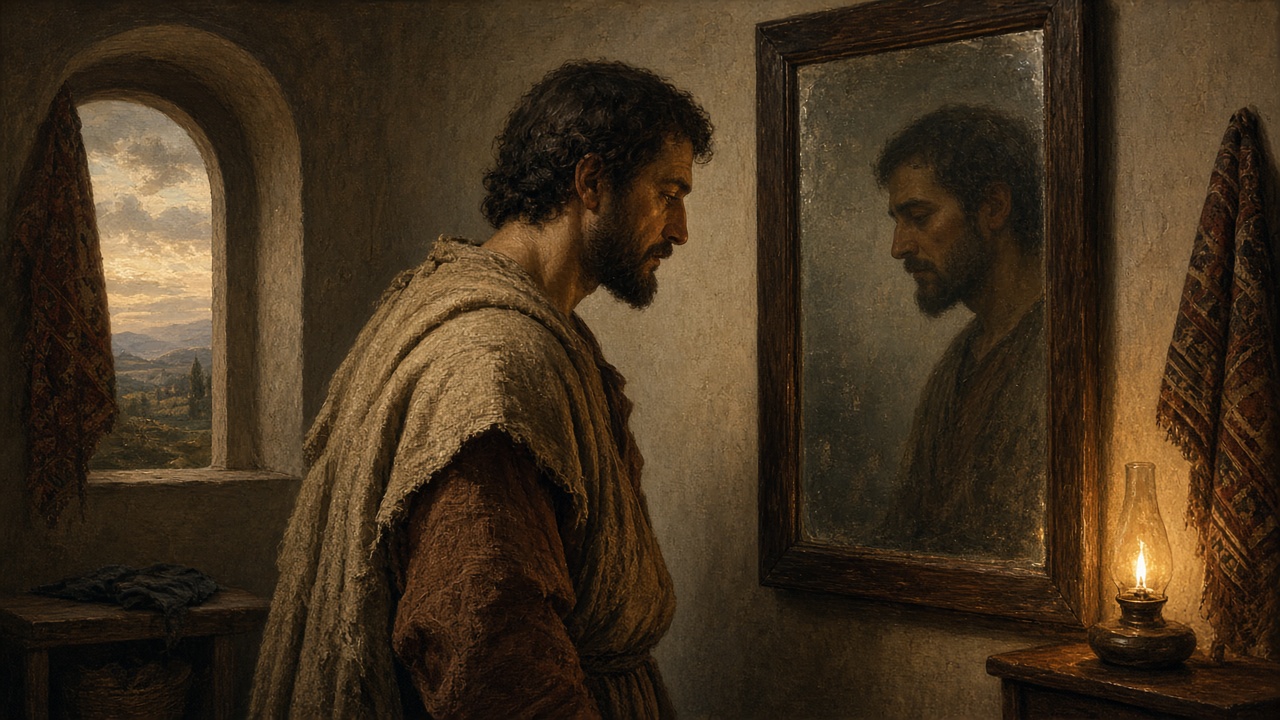
12Auk bel kleta didang pait: halas ni kit ngat net bubuit son, mo langa isi lo bii, banansila el didaan silan se hdidan in daat son na. Mo nesang le lako lam totoang daid langa. Kit in ngat neta ka banansila el dadani ne kit sila-matan. Halas ni auk in nangan tana ki suma bubuit sii. Mo lako-lako lam auk nangan taan totoang, banansila el Ama Lamtua Allah in taan deng auk aap-inang ngi totoang nga.
13Tiata halas ni, kit musti daek dasi tilu man tahang napiut. Dais nas elia:
kit musti parsai napiut se Ama Lamtua;
kit musti nahlae napiut noan, mam Un ator totoang nas le daid banan;
nol kit musti namnau apa tutungus.
Deng dasi tiul nias, in muun dudui ka mo, in namnau. Ta in namnau ka, man banan dui deng totoang.
Did you know?
Love Above Every Gift
- Without love, the chapter says, speaking in the tongues of men and of angels is only a ringing gong or a clanging cymbal. Someone with prophecy, with power to fathom all mysteries and all knowledge, and with faith that could move mountains is nothing; someone who gives all they possess to the poor, or surrenders their body, gains nothing.Sources: the Bible text itself
- Love is patient and kind. It does not envy, boast, or act with pride; it is not rude, self-seeking, or easily angered, and it keeps no account of wrongs. It takes no pleasure in evil, rejoices in the truth, and bears, believes, hopes, and endures all things.Sources: the Bible text itself
- Love, the chapter says, never fails, but prophecies will cease, tongues will be restrained, and knowledge will be dismissed. What is known and prophesied now is partial, like a child's reasoning or a dim reflection in a mirror rather than seeing face to face. Faith, hope, and love remain, and the greatest of these is love.Sources: the Bible text itself
Notes written with AI assistance from open sources (Theographic Bible Metadata, CC BY-SA 4.0; Easton’s Bible Dictionary, public domain) and reviewed before publishing.
Credits and license for this translation
Buk Niu In Hida Balu nol Dehet deng Apan-kloma ki in Dadi ka
Genesis and the New Testament in Helong
Kejadian dan Perjanjian Baru dalam bahasa Helong
copyright © 2011 Unit Bahasa dan Budaya
Language: Helong
Translation by: Wycliffe Bible Translators, Inc.
This translation is made available to you under the terms of the
Creative Commons Attribution-No Derivatives license 4.0.
You may share and redistribute this Bible translation or extracts from it in any format, provided that:
You include the above copyright and source information.
You do not make any derivative works that change any of the actual words or punctuation of the Scriptures.
Pictures included with Scriptures and other documents on this site are licensed just for use with those Scriptures and documents.
For other uses, please contact the respective copyright owners.
2022-03-11
Source: http://ebible.org/hegNTpo/ · eBible.org