Zephaniah 3
KAKAƗYARI NIUKIEYA XAPAYARI WIXARIKAKƗ · Tap a verse to see its cross-references.
Kerutsareme manutimietsie kemɨtiyɨni
1Xɨa'ui kiekari hipame pemɨwananaima,
pemɨkaheu'ena meta tita 'axamɨti'ane pemɨrexeiya.
2Mɨkayu'ɨxatsitɨarinɨa,
meta mɨkatiyuxatɨarinɨa.
Yawé hetsie yuri mɨkati'erie,
meta yukakaɨyari hetsɨa 'ahurawa mɨka'uyeika.
3'Itsɨkate mana memanuka'u
mayetsi memɨtehaketɨkɨka wahepaɨ mepɨ'anene,
wakuwexinaruritsixi 'ɨrawetsixi yɨwikɨta memuku'uwa mekanihɨkɨtɨni
tita memɨtetakwani tixaɨtɨ mepɨkatekuhayeikawa memɨkakayeikienikɨ.
4Kakaɨyari niukametemama mana kiekatari mepɨte'itawa,
Kakaɨyari mepuku'eiri.
Mawari wewiwamete piinite netukita timieme katipatsiekame mepɨte'ayeitɨa,
meta 'aitsika kemaine yamepɨkatekahu.
5Matsi Yawé mana muka kemɨtiheitserie yapɨtiyuriene,
kemɨkatiheitserie pɨkatiyuriene.
Xexuime tukari mukatataretsie kemɨtiheitserie yapɨtiyuriene,
meta pɨkatihayewa tukari mɨyehane mukatataretsie,
peru 'axatiyuruwame tewiyarika pɨkamate.
6«Nekaniwaruka'una nuiwarite,
kanakumawere wakuraru meta watuxiyu.
Nekanihayewa kaye 'utɨa teɨteri 'umaweme,
nixewitɨ tɨma mɨkɨ 'utɨa pɨka'uyeika.
Kaniuyuhayewa wakiekarite 'u'unitɨ,
nixewitɨ pɨkayuhayewaxɨ mana mukanikɨ.
7Kiekari mɨpaɨ nepɨtiutahɨawixɨ:
“Yurikɨ pepɨnetsi'ayemakaxeni,
kenemɨmetita'ɨxatsitɨani pepeu'enani”.
Hikɨ 'ayumieme wakiekari pɨkaka'unarienikekai,
naimekɨ nemɨtita'aitɨakaikɨ.
Peru mɨyatɨtɨ, meyumexɨitɨatɨ mekanakɨne pɨta
'axamemɨteyurienikɨ naime hepaɨtsita.
8'Ayumieme xekenenetakwewieka,
yapauka nepɨrayu'iwa
—Yawé mɨpaɨ kanaineni—,
'ari nuiwarite neniwakuxeɨrimɨkɨ,
meta te'aitamete
nemɨtiwakwinitɨanikɨ nehaxɨakɨ,
meta naimekɨ kenemɨreuha'a.
Ne'ɨtetsarika taiyariyarikɨ,
naitɨ kwie kanakuxɨtsitɨariemɨkɨ.
9»Teɨteri 'aixɨa me'utiyuaneme nekaniwarayeitɨamɨkɨ,
para yunaitɨ memɨnetsihahɨawenikɨ Yawé kenemɨtitewa
meta memɨnetsi'ayexeiyanikɨ yaxeikɨa meteyukɨhɨawetɨ.
10Kutsi hatɨayari manuyehapane 'anutaɨye me'anexɨame,
'imikieri mekaneni'atɨiriekuni
memɨnetsi'ayexeiya, neteɨterima memeutaxɨriexɨa.
11Mɨkɨ tukaritsie tewiyarika xepɨkapitɨarieniri,
'ari 'axaxeteyurietɨ nehepaɨtsita xepɨtehayewa.
Nekaniwarayeweiyamɨkɨ xetsata
mɨkɨ teɨteri mamariwemete memayuyeitɨwa,
hikɨ 'ana mepukumawere memɨyuti'ɨre
nehɨri makupatsietsie.
12Mekaniyuhayewakuni xeikɨa,
tixaɨtɨ memɨkatehɨkɨ.
Mɨkɨ Yawé hetsie memɨtewiya memɨhɨkɨkɨ,
13'etsimeyupaɨmetɨ memɨyuhayewaxɨ 'ixaheritsixi,
tita 'axamɨti'ane mepɨkateyuriekari,
'itarikakɨ mepɨkatekuxatani,
kwamanarikakɨ mepɨkatekuxatani.
Mekateniutikwa'akuni meta mekaniuka'uxipiwekuni
nixewitɨ kawamariutakaku».
14Keneutahiwani, neniwe 'uka Tsiyuni, temawierikakɨ,
memɨtehayu'iwa wahepaɨ xeketeneuhiwani, 'ixaheritsixi.
Xekeneutikwikani meta xekeneyutemamawieka yu'iyarikɨ,
neniwe 'uka Kerutsareme.
15Yawé pɨkatixekwinitɨaniri,
kaniwarutaweiya memɨmetsi'aye'unie.
Yawé, 'Ixaheritsie ti'aitame, xetsata kaniukani:
hatsuakuri pepɨkaheumaka.
16Mɨkɨ tukaritsie Kerutsareme mɨpaɨ pɨtitahɨawarieni:
«Tsiyuni, pepɨkamaka meta pepɨka'utaweranareni,
17Yawé 'akakaɨyari 'ahamatɨa kaniukani
mɨkɨ kuya mɨrayu'iwa pɨhɨkɨ.
Pɨyutemawieka 'ahetsiemieme,
pɨmetsihekwariyani yunaki'eriyakɨ,
kaniutakwikamɨkɨ yutemawietɨ 'ahetsiemieme
18'ixɨarari mɨhɨkɨtɨni hepaɨ».
«Ne xehetsie nepɨtanuani xemɨkahiweritɨarienikɨri,
mɨixari kexemɨte'anuyehu xetewiyatsitɨarietɨ.
19Mɨkɨ tukaritsie ne nekaniwaranukuweiyamɨkɨ
kemɨ'ane waɨriyarika memɨtexe'aitɨa,
nepɨwatawikweitsitɨani muxatsi memɨ'ɨkamɨmɨri,
meta nekaniwaranukuwaumɨkɨ memeuyexɨri.
Xeme xemariwame waɨkawa nepɨxe'ayeitɨani
'iya nuiwarite watsata hakewa xemetewinɨarie.
20Mɨkɨ tukaritsie ne nekanixe'atɨamɨkɨ,
mɨkɨ tukaritsie nepɨxekuxeɨrieni.
Xeme xemariwame waɨkawa nepɨxe'ayeitɨani
yunaime teɨteri kwiepa memɨtama watsata
kepauka nemɨxehakunuitɨani mɨkɨ wahɨxie
'ateewa xehehapanieku».
Mɨpaɨ kaniutayɨni Yawé.
Did you know?
Judgment, Humility, and Joy in Jerusalem
- Zephaniah denounces the corruption among Jerusalem's ruling classes, comparing its princes to roaring lions, its judges to evening wolves, and its priests to violators of the sacred law. In contrast, the chapter portrays God as consistently righteous within the city, executing justice morning after morning without fail.Sources: the Bible text itself
- The prophecy anticipates a global restoration where peoples call on the Lord with pure speech, including worshippers bringing offerings from beyond the rivers of Cush, a region situated south of Egypt. The text emphasizes that those who remain will not be proud, but a meek and humble remnant who trust in God.Sources: the Bible text itself · Cush
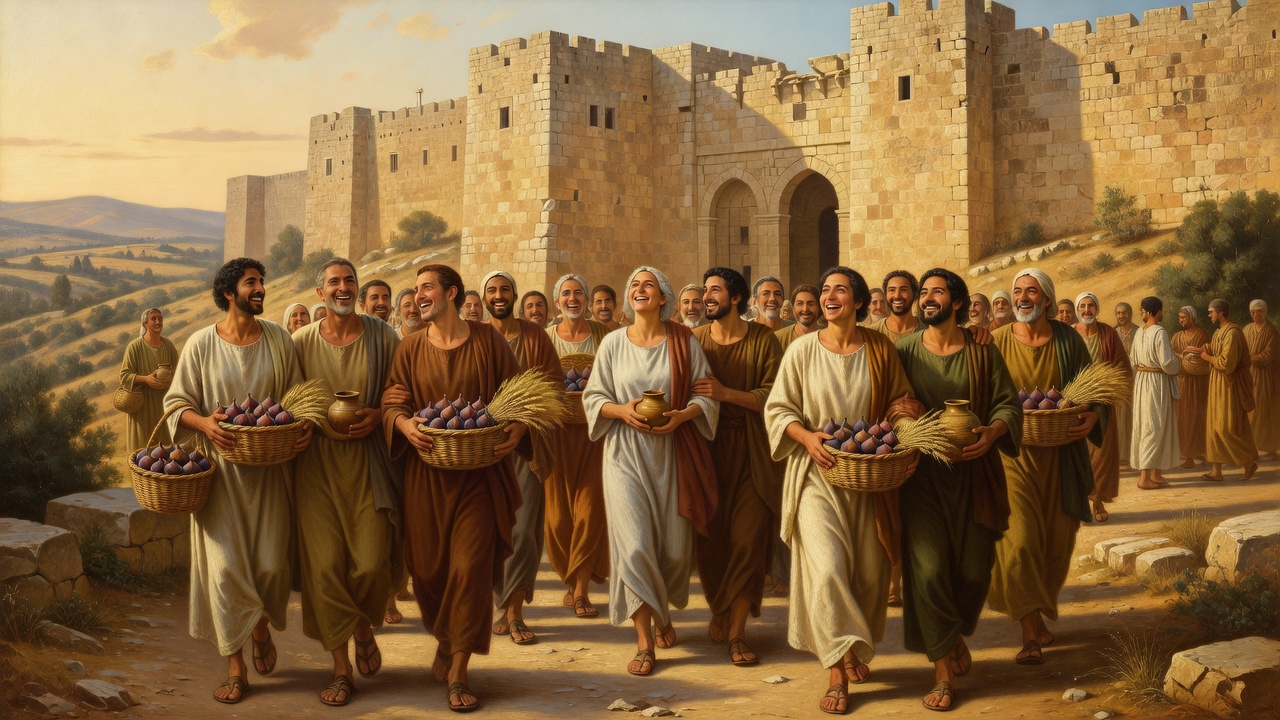
- Jerusalem is addressed as the Daughter of Zion, referencing the prominent hill upon which David built his citadel and which became a symbolic name for the holy city. Rather than facing fear and reproach, the community is summoned to celebrate joyfully as their captives are gathered and restored.Sources: the Bible text itself · Zion · Jerusalem
Notes written with AI assistance from open sources (Theographic Bible Metadata, CC BY-SA 4.0; Easton’s Bible Dictionary, public domain) and reviewed before publishing.
Places in this chapter
- Jerusalem · 31.777, 35.234 · verses 1, 7, 11, 14, 16
- Cush · Today: Cush 1 · 16.935, 33.751 · verse 10
- Zion · Today: Jerusalem · 31.777, 35.234 · verses 14, 16, 18
Only places identified with high confidence are shown (90% or more according to the scholarly sources compiled by OpenBible). Period map: DARE (Digital Atlas of the Roman Empire), CC BY 4.0; modern map: © OpenStreetMap contributors; places: OpenBible.info (CC BY 4.0).
Credits and license for this translation
KAKAƗYARI NIUKIEYA XAPAYARI WIXARIKAKƗ
The Holy Bible in the in Huichol language of Mexico, 2020 edition
La Santa Biblia en lengua huichol de México, edición 2020
copyright © 2020 Wycliffe Bible Translators, Inc.
Language: Huichol
Translation by: Wycliffe Bible Translators, Inc.
Huichol [hch], Mexico
Copyright Information
© 1988-2020, Wycliffe Bible Translators, Inc.
This translation text is made available to you under the
terms of the Creative Commons License: Attribution-Noncommercial-No Derivative Works.
( http://creativecommons.org/licenses/by-nc-nd/3.0/ )
In addition, you have permission to port the text to different file formats, as long as you
do not change any of the text or punctuation of the Bible.
You may share, copy, distribute, transmit, and extract portions
or quotations from this work, provided that you include the above copyright
information:
You must give Attribution to the work.
You do not sell this work for a profit.
You do not make any derivative works that change any of the actual words or punctuation of the Scriptures.
Permissions beyond the scope of this license may be
available if you contact
us with your request.
The Holy Bible
in Huichol
© 1988-2020, Wycliffe Bible Translators, Inc.
This translation is made available to you under the terms of the
Creative Commons Attribution-Noncommercial-No Derivatives license 4.0.
You may share and redistribute this Bible translation or extracts from it in any format, provided that:
You include the above copyright and source information.
You do not sell this work for a profit.
You do not change any of the words or punctuation of the Scriptures.
Pictures included with Scriptures and other documents on this site are licensed just for use with those Scriptures and documents.
For other uses, please contact the respective copyright owners.
2025-09-03
Source: http://ebible.org/hch/ · eBible.org