Zephaniah 1
KAKAƗYARI NIUKIEYA XAPAYARI WIXARIKAKƗ · Tap a verse to see its cross-references.
About this book
About Zephaniah
- Easton's Bible Dictionary (1897) presents Zephaniah, whose name it explains as "Jehovah has concealed" or "Jehovah of darkness," as the son of Cushi and great-grandson of Hezekiah, and as the ninth of the minor prophets. It dates his prophecy to the reign of Josiah, king of Judah (641–610 B.C.), and says he was contemporary with Jeremiah, with whom he had much in common.Sources: Easton: Zephaniah · Zephaniah · Cushi
- Amon, Josiah's father, restored idolatry in Judah, and Easton reads Zephaniah 1:4 and 3:4, 11 as referring to that reign. The same dictionary links Zephaniah 1:4–6 with the worship of Baal and Zephaniah 1:5 with Malcham, described as the national idol of the Ammonites. Josiah, who came to the throne at eight, is presented as later acting against the idolatry that prevailed.Sources: Amon · Josiah · Baal · Malcham
- Easton's Bible Dictionary outlines the book as an introduction announcing judgment on the world and on Israel because of their transgressions (1:1–6), a description of the judgment (1:7–18), an exhortation to seek God while there is still time (2:1–3), judgment on other peoples (2:4–15), what it calls the hopeless misery of Jerusalem (3:1–7), and a promise of salvation (3:8–20).Sources: Easton: Zephaniah
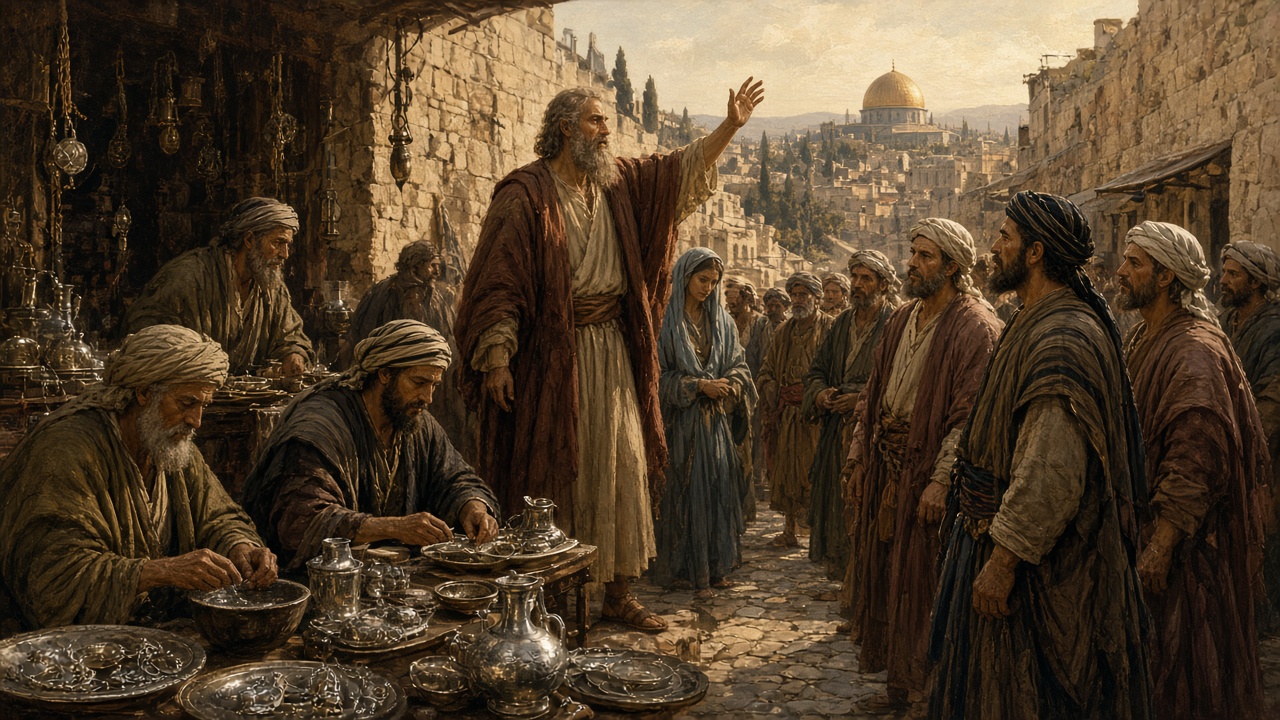
- Zephaniah 1:11 names the Mortar, a place in or near Jerusalem inhabited by silver merchants. It has been conjectured that this was the Phoenician quarter of the city, where traders of that nation lived.Sources: Mortar
Notes written with AI assistance from open sources (Theographic Bible Metadata, CC BY-SA 4.0; Easton’s Bible Dictionary, public domain) and reviewed before publishing.
1'Ikɨ Yawé niukieya kanihɨkɨtɨni, Tsupuniyaxi kemɨtiutahɨawarie Kutsi nu'aya, mɨkɨta Kerariyaxi nu'aya, mɨkɨta 'Amariyaxi nu'aya, mɨkɨta 'Etsekiyaxi nu'aya, kepauka mɨti'aitakai Kutsiyaxi 'Amuni nu'aya, Kura kwieyaritsie:
Kememɨte'utaxatɨarie kememɨteka'unarieni 'arike
2«Meteyunaime nepɨtiwareuyehɨani
kemeteyupaɨmetɨ kwiepa memɨtexuawe
—Yawé mɨpaɨ kanaineni—.
3Teɨteri meta tewaxi nekaniwareuyehɨamɨkɨ,
meta memɨte'awɨwawe
meta haramaratsie memɨteye'uwa,
metatsiere kakaɨyarixi memɨwewiyatɨka metatsiere teɨteri 'axamemɨte'u'iyari yaxeikɨa.
»Teɨteri nekaniwarakumaweriyamɨkɨ
'ena kwiepa naitsarie
—mɨpaɨ kanaineni Yawé—.
Kura kemɨtika'unarieni
4»Kura kwieyaritsie kiekatari nepɨtiwakwinitɨani,
meta yunaime Kerutsareme kiekatari.
Wahari huyerieya 'ɨarime naime nepakuyeitɨani,
meta mawari wewiwamete hetsɨana miemete kememɨtetetewa naime,
5meta kemɨ'ane yukii heima memukatunuma'uwe,
muyuawitsie miemete xurawetsixi mewarayexeiyatɨ,
meta kemɨ'ane metitunuma'utɨ,
kename Yawé me'ayexeiya memutiyuane,
kwitɨwata kakaɨyari Muruki yaxeikɨa memɨtehahɨawe,
6meta kemɨ'ane Yawé memuku'e'eiriwa,
meta memɨka'ikuwautɨwe meta memɨkahe'iwawiya.
7Kayuwatɨ xekeneumaka Yawé Naimekɨmɨyɨwe hɨxie,
Yawé mɨtixekwinitɨanitsie pehurari,
Yawé mawari kaniukuha'aritɨani
meta yu'inierima kaniwaru'itieniri.
8'Iya tukaritsie Yawé yumɨireme muwakwinitsie
nepɨtiwakwinitɨani ti'aitame parewiwametemama meta niwemama,
meta kemɨ'ane kamixate hipame kwieyaritsie miemete memanakatɨtɨka.
9'Iya tukaritsie nekatiniwakwinitɨamɨkɨ
kemɨ'ane hipame kakaɨyarixi memɨwarayexeiya,
meta memɨtehɨniya yukakaɨyarixi watukita piinite,
'itarikakɨ memɨte'a'iwaxɨ meta hipame mewananaimatɨ.
10»Yawé mɨpaɨ kanaineni: 'Iya tukaritsie parewiya hiwariyari pɨ'enierieni,
kitenie Tsapa mɨtitewatsie paitɨ,
'aiwari pɨ'enierieni Kiekari Hutarieka Mieme makumatsie,
meta waɨkawa hiwari pa'eniɨriɨkɨni yemuritetsie paitɨ.
11»Xemeta xekeneutitsuanani, tetuayamete memakutei xemɨtama.
Naitɨ tita xemɨtetua katineuyehɨiyamɨkɨ,
xepeuyehɨiyani yunaitɨ kemɨ'ane pɨrata xemexeiyanikɨ xemɨyɨa.
12'Iya tukaritsie Kerutsareme nepayekexiya kɨxeme ne'akwetɨ,
nemɨtiwakwinitɨanikɨ kemɨ'ane yu'iyarikɨ memɨ'uxipie,
kaxie winuyari mɨkakuyuitɨariwa meuyewexime hepaɨ memɨ'ane,
kemɨ'ane mɨpaɨ memutiyuane: “Yawé 'atsipɨkatiyurieni,
ni'aixɨa pɨkatatsiyurieni ni'axa pɨkatatsiyurieni”.
13Xepiinitɨarika memɨxeka'una wa'iwarika pɨrayani,
xekii yuxaɨta puyuhayewaxɨani:
“Yukii xepɨtiwewieni,
peru muwa xepɨka'ayeyaxe,
kaxie xepɨka'iteɨta,
peru winuyari xepɨkaha'inɨata”.
Yawé haxɨaya tukariyari
14»Yawé haxɨaya tukariyari paye'axime,
kanaye'aximeni yapauka.
Yawé tukarieyatsie pɨ'enierieni kwinimieme memɨte'uka'eniwa hiwariyari,
meta kemɨ'ane mɨkama 'ana kanitatsuamɨkɨ.
15'Iya tukaritsie haxɨa tukariyari kanayeimɨkɨ,
meta 'uximatɨarika meta hiwerika tukariyari,
xemɨka'unarieni meta xemakumaweriyarieni tukariyari,
yɨriya tukariyari,
meta haiwitɨri mɨyɨyɨxawi tukariyari,
16kuxineta meta kuyaxa hiwariyari tukariyari
kiekarite kuraruyari 'amatitɨtɨ hepaɨtsita mieme,
meta tuxiyu 'amutɨtɨ hepaɨtsita mieme.
17Ne nepɨwaranukuweiya teɨteri nekawa'uxipitɨatɨ,
memɨkaheuneniereni hepaɨ me'anenetɨ mepu'uwani,
Yawé hepaɨtsita 'axamemɨte'uyurikɨ.
Waxuriya nitayeuriyamɨkɨ tumuanari hepaɨ,
meta wakwinurite kwitarai hepaɨ pɨtiyuxexeiyani.
18Wahuru meta wapɨrata
pɨkawatawikweitsitɨani,
Yawé haxɨaya tukariyaritsie.
'Ɨtetsarikaya taiyari
naime kwie pakuxɨtsitɨani,
yapauka kaniwarakumaweriyamɨkɨ
yunaime teɨteri kwiepa memɨtama».
Did you know?
The Day of the LORD and Judgment on Idolatry
- Zephaniah traces his lineage back four generations to Hezekiah, dating his prophetic ministry to the reign of King Josiah of Judah. Josiah came to power after his father, King Amon, had restored idolatry across Judah before being assassinated by his own servants.Sources: the Bible text itself · Josiah · Amon · Hizkiah
- The chapter denounces religious syncretism in Jerusalem, where people bowed on rooftops to the host of heaven and combined their devotion to the LORD with oaths to Baal and Malcham, the national idol of the Ammonites.Sources: the Bible text itself · Baal · Malcham
- The prophecy specifies landmarks in Jerusalem that would experience turmoil, including the Fish Gate and the Mortar (or Hollow), a district inhabited by merchants who weighed out silver.Sources: the Bible text itself · Fish Gate · Mortar
Notes written with AI assistance from open sources (Theographic Bible Metadata, CC BY-SA 4.0; Easton’s Bible Dictionary, public domain) and reviewed before publishing.
Places in this chapter
- Jerusalem · 31.777, 35.234 · verses 4, 12
- Fish Gate · Today: in Jerusalem · 31.777, 35.234 · verse 10
- Second Quarter · Today: in Jerusalem · 31.777, 35.234 · verse 10
- Canaan · 32.767, 35.333 · verse 11
- Mortar · Today: in Jerusalem · 31.777, 35.234 · verse 11
Only places identified with high confidence are shown (90% or more according to the scholarly sources compiled by OpenBible). Period map: DARE (Digital Atlas of the Roman Empire), CC BY 4.0; modern map: © OpenStreetMap contributors; places: OpenBible.info (CC BY 4.0).
Credits and license for this translation
KAKAƗYARI NIUKIEYA XAPAYARI WIXARIKAKƗ
The Holy Bible in the in Huichol language of Mexico, 2020 edition
La Santa Biblia en lengua huichol de México, edición 2020
copyright © 2020 Wycliffe Bible Translators, Inc.
Language: Huichol
Translation by: Wycliffe Bible Translators, Inc.
Huichol [hch], Mexico
Copyright Information
© 1988-2020, Wycliffe Bible Translators, Inc.
This translation text is made available to you under the
terms of the Creative Commons License: Attribution-Noncommercial-No Derivative Works.
( http://creativecommons.org/licenses/by-nc-nd/3.0/ )
In addition, you have permission to port the text to different file formats, as long as you
do not change any of the text or punctuation of the Bible.
You may share, copy, distribute, transmit, and extract portions
or quotations from this work, provided that you include the above copyright
information:
You must give Attribution to the work.
You do not sell this work for a profit.
You do not make any derivative works that change any of the actual words or punctuation of the Scriptures.
Permissions beyond the scope of this license may be
available if you contact
us with your request.
The Holy Bible
in Huichol
© 1988-2020, Wycliffe Bible Translators, Inc.
This translation is made available to you under the terms of the
Creative Commons Attribution-Noncommercial-No Derivatives license 4.0.
You may share and redistribute this Bible translation or extracts from it in any format, provided that:
You include the above copyright and source information.
You do not sell this work for a profit.
You do not change any of the words or punctuation of the Scriptures.
Pictures included with Scriptures and other documents on this site are licensed just for use with those Scriptures and documents.
For other uses, please contact the respective copyright owners.
2025-09-03
Source: http://ebible.org/hch/ · eBible.org