Psalms 69
KAKAƗYARI NIUKIEYA XAPAYARI WIXARIKAKƗ · Tap a verse to see its cross-references.
Teyuitɨwamete wa'ukiyari. «Tuturi» kwikariyari xekeneuweiyani. Rawiri nɨawarieya.
1Nekakaɨyari, keneneutawikweitsitɨa,
nekɨipitɨa paitɨri haa puku'axe.
2Nepɨkayunirɨme putsu meukatewata,
titatsie nerakeni pumawe.
'Amutiyewatsie hixɨapa nepuyewie,
haa muhane pɨnetsi'uhautsitɨaxime.
3Nepu'uxeri parewiya neha'iwawatɨ,
nekɨipitsie nepanatiwakiri.
Nehɨxite pu'u'uxeri,
Kakaɨyari parewiyaya netakwewietɨ.
4Nekɨpate kemɨpaɨme reuyeta
mepɨyupaɨme memɨnetsixani'erie yakɨxeikɨa,
mepuyumɨire memɨnetsi'aye'unie 'itarikakɨ
memɨnetsimieku.
¿Titakuta netiyetuani nemɨkatiunawa?
5Kakaɨyari 'aku, 'ekɨ pepɨtimate nemɨkayukɨhɨawekɨ,
ke'axanemɨtiuyuri nemɨtiuti'awieta nepɨkayɨwe.
6Yawé Tati'aitɨwame, Naimekɨmɨtɨrɨkaɨye,
mepɨkatewinɨarieka ne 'axanemɨtiuyurikɨ
memɨmetsitakwewie,
'Ixaheri Kakaɨyarieya 'aku,
mepɨkaha'iwarieka nehetsiemieme
kemɨ'ane memɨmetsikuwautɨwe.
7'Ahetsiemieme nepɨtiuka'eniwa ne'utatieriwatɨ,
nehɨxie nepayenɨtsa tewiyarikɨ.
8Ne'iwama wahetsiemieme nemɨkamatiwani hepaɨ nekani'aneneni,
'ateewa kiekame nekanihɨkɨtɨni nemaama niwemama wahetsiemieme.
9'Akii nemukweriekɨ netaɨta nepɨtaxɨtsitɨariexime,
nehetsie xeikɨa katininakeni
memɨmetsi'aye'unie watierika.
10Kepauka nemutatsuakatsie meta kepauka nemɨnehakietsie,
nekatininewiekamɨkɨ kememɨnetehahɨaweni,
11kepauka hiwerika kamixayari nemanakatɨkɨtsie,
'atsieriwame nekanihɨkɨtɨni.
12Kitenie memutayaxike nehepaɨtsita niuki mekanixɨatɨaka,
memɨtarɨwe 'axa'anemekɨ mekaneniutakwikani.
13Peru Yawé, neuxei nepumetiwawirie
hikɨ 'ekɨ mɨpaɨ mumetinakekɨ.
Kakaɨyari 'aku, 'anaki'eriya mɨmariwekɨ, keneneuta'eiya,
'aixɨa pemɨtikamiekɨ, keneneutawikweitsitɨa.
14Kenenewatihani muyehaxuyatsie,
nemɨkayunekɨ pepɨkanetsipitɨaka.
Keneneɨxɨna memɨnetsixani'erie wahetsie,
hata 'ameukatewatsie.
15Pepɨkanetsipitɨaka haa mɨnetsihehautsitɨwanikɨ,
muwatixawa 'emeukatewa mɨnetsiheukakwa'anikɨ pepɨkanetsipitɨaka,
meta teukiya neheima muwiwikenikɨ.
16Yawé, keneneta'eiya 'aixɨa pemɨtiuka'iyari naki'eriya pemexeiyakɨ,
yemekɨ pemɨti'akanenimayakɨ, nehetsɨa kenenua.
17'Ikɨ meti'uximayatsiriwame pexeiyatɨ pepɨkatikuhayeikawani,
yapauka keneneta'eiya, nepɨtiuka'eniwa.
18'Ahurawa kenayaka, keneneutawikweitsitɨa,
keneneɨxɨna memɨnetsi'aye'unie watsata.
19'Ekɨ pepɨtimate kememɨnete'ute'a,
nenetewiyame mepɨnetsi'ayeitɨwa,
pepɨtimate kemɨ'ane memɨnetsi'aye'unie.
20Watierika ne'iyari kaniutatsana,
nehetsiemiemeri xɨari pɨkayɨwe 'aixɨa mɨtiyɨni.
Nenimayatsika neputiwau, nepɨka'ikaxei,
nɨtɨarika neputiwau, nepɨka'itaxei.
21Ne'ikwaitsie matsiwi mepɨkaye,
neheuharimɨkɨkaku matsina mepɨnetsi'uharitɨa.
22Wawiniyari kehayani wa'ixɨarari,
memɨte'ukaxexeiya wawiniyari kehayani.
23Wahɨxite ke'utiture, memɨkaheunenierenikɨ,
watɨrɨkariya ke'uxɨni yuheyemekɨ.
24'Ahaxɨa wahetsie keneukawiwi,
'ahaxɨa kewaranuku'axe.
25Makumawe ke'ayani memakutei,
waxamaru ke'uxaxawani.
26Yemetsɨ kemɨ'ane pemɨ'uximatɨani kaniuweiyarieka,
kemɨ'ane pemɨtikwinitɨani kaninanaimarieka mɨtiuka'eniwakɨ.
27'Axakemɨtiyuriene keneutinɨitɨa waɨkawa 'axamɨti'ane,
'awikweitsitɨarikatsie pepɨkawaraye'uitɨaka.
28Meke'ayeyeitɨarieni tukari xapayaritsie,
heitserie memexeiya wahamatɨa mepɨka'aye'uka.
29Kakaɨyari 'aku, ne tixaɨtɨ nemɨkarexeiya meta nemɨtiuka'eniwa,
'awikweitsitɨarika nehetsie kenuaka.
30Kwikarikɨ nepinɨawani Kakaɨyari kemɨtitewa,
pamɨpariyutsikɨ 'aixɨa nepɨrehɨaweni.
31Mɨkɨ mawari matsi Yawé pinakire
keyuri tuuru yatɨni tsikeru
ha'awatɨ meta 'anuketatɨ.
32Tixaɨtɨ memɨkatehexeiya mɨkɨ metexeiyame mepuyutemamawieka,
xeme xekeneyuwaɨriyani, Kakaɨyari xemukuwautɨwe.
33Karikɨ Yawé kaniwa'enieka kemɨ'ane memɨteheuyehɨwa,
meta yuteɨterima memehapanie pɨkawarexɨrɨwa.
34Meke'inɨawani muyuawi meta kwie,
haramara meta yunaitɨ mana memɨteye'uwa,
35Kakaɨyari Tsiyuni kanitawikweitsitɨamɨkɨ,
meta Kura kiekariyari kananukuketɨamɨkɨ.
Mana mekanikumarikuni teɨterimama
kwie wahetsiemieme kanayeimɨkɨ.
36Wahetsiemieme katinayeimɨkɨ te'uximayatame waniwema,
Ti'aitame memɨnaki'erie mana mekanitiyaxikuni.
Did you know?
A Cry from Deep Waters
- Psalm 69 employs vivid metaphors of drowning in deep waters and sinking into bottomless mud to depict overwhelming distress and the pressure of unprovoked enemies.Sources: the Bible text itself
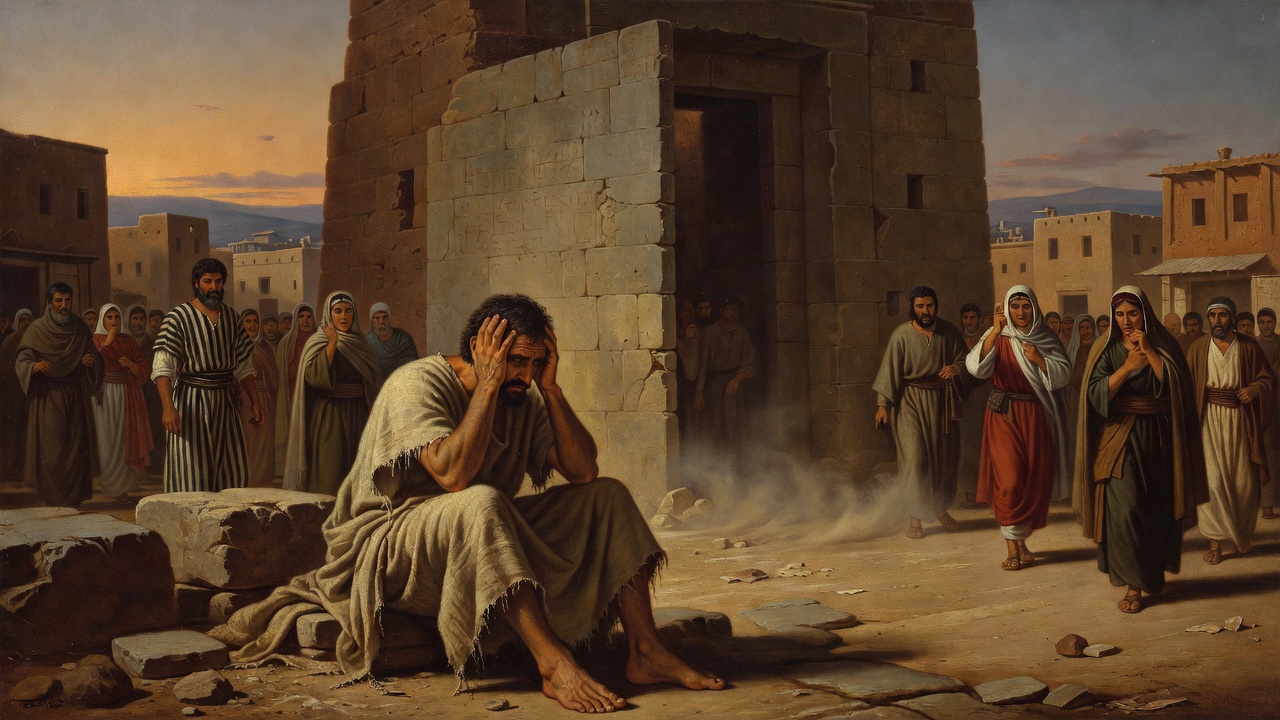
- The speaker describes profound social alienation, noting that his fasting and wearing of sackcloth made him an object of public ridicule among those sitting at the city gate and the subject of drinking songs.Sources: the Bible text itself
- The psalm concludes with hope for restoration, anticipating that God will save Zion—the southeastern hill of Jerusalem—and rebuild the cities of Judah for His servants to inhabit.Sources: Zion · the Bible text itself
Notes written with AI assistance from open sources (Theographic Bible Metadata, CC BY-SA 4.0; Easton’s Bible Dictionary, public domain) and reviewed before publishing.
Places in this chapter
- Zion · Today: Jerusalem · 31.777, 35.234 · verse 35
Only places identified with high confidence are shown (90% or more according to the scholarly sources compiled by OpenBible). Period map: DARE (Digital Atlas of the Roman Empire), CC BY 4.0; modern map: © OpenStreetMap contributors; places: OpenBible.info (CC BY 4.0).
Credits and license for this translation
KAKAƗYARI NIUKIEYA XAPAYARI WIXARIKAKƗ
The Holy Bible in the in Huichol language of Mexico, 2020 edition
La Santa Biblia en lengua huichol de México, edición 2020
copyright © 2020 Wycliffe Bible Translators, Inc.
Language: Huichol
Translation by: Wycliffe Bible Translators, Inc.
Huichol [hch], Mexico
Copyright Information
© 1988-2020, Wycliffe Bible Translators, Inc.
This translation text is made available to you under the
terms of the Creative Commons License: Attribution-Noncommercial-No Derivative Works.
( http://creativecommons.org/licenses/by-nc-nd/3.0/ )
In addition, you have permission to port the text to different file formats, as long as you
do not change any of the text or punctuation of the Bible.
You may share, copy, distribute, transmit, and extract portions
or quotations from this work, provided that you include the above copyright
information:
You must give Attribution to the work.
You do not sell this work for a profit.
You do not make any derivative works that change any of the actual words or punctuation of the Scriptures.
Permissions beyond the scope of this license may be
available if you contact
us with your request.
The Holy Bible
in Huichol
© 1988-2020, Wycliffe Bible Translators, Inc.
This translation is made available to you under the terms of the
Creative Commons Attribution-Noncommercial-No Derivatives license 4.0.
You may share and redistribute this Bible translation or extracts from it in any format, provided that:
You include the above copyright and source information.
You do not sell this work for a profit.
You do not change any of the words or punctuation of the Scriptures.
Pictures included with Scriptures and other documents on this site are licensed just for use with those Scriptures and documents.
For other uses, please contact the respective copyright owners.
2025-09-03
Source: http://ebible.org/hch/ · eBible.org