Psalms 120
KAKAƗYARI NIUKIEYA XAPAYARI WIXARIKAKƗ · Tap a verse to see its cross-references.
Ku'uwamete wakwikari.
1Kepauka nemɨtiuka'eniwa Yawé nepahɨawe,
mɨkɨta pɨnetsiku'eiya.
2Yawé, keneneutawikweitsitɨa memɨte'itawa menetsi'uweiyakaku
meta 'iya kwinimieme memɨteheuta'itawawe.
3Xeme xemɨte'itawa,
Kakaɨyari 'uxa'atɨni
waɨkawa xehetsie pɨrahɨani.
4Kuyaxi wa'ɨrɨ kwinimieme mɨranuyemɨtsɨkɨ,
tɨɨ waɨkawa tatɨkaimekɨ.
5Xɨa'ui ne, 'ateewa nemuyeika Metseki kwieyaritsie,
'ena nemuka Tseraxi 'ixuriki kiiyari mati'u.
6Mɨixari 'ena nepuka
kayuwatɨ memu'uwani mɨkawanake wahetsɨa.
7Ne kaneninakeni kayuwatɨ heitseriemekɨ nemuyeikanikɨ,
peru xɨka kayuwatɨ kehepaɨ temɨte'u'uwanikɨ netikuxatani,
mɨkɨta kuyaxa pɨta mepukuxatani.
Did you know?
A Plea for Peace in Exile
- Psalm 120 opens the series of fifteen "songs of ascents", beginning with a personal cry for deliverance from deceitful speech and hostile surroundings.Sources: the Bible text itself
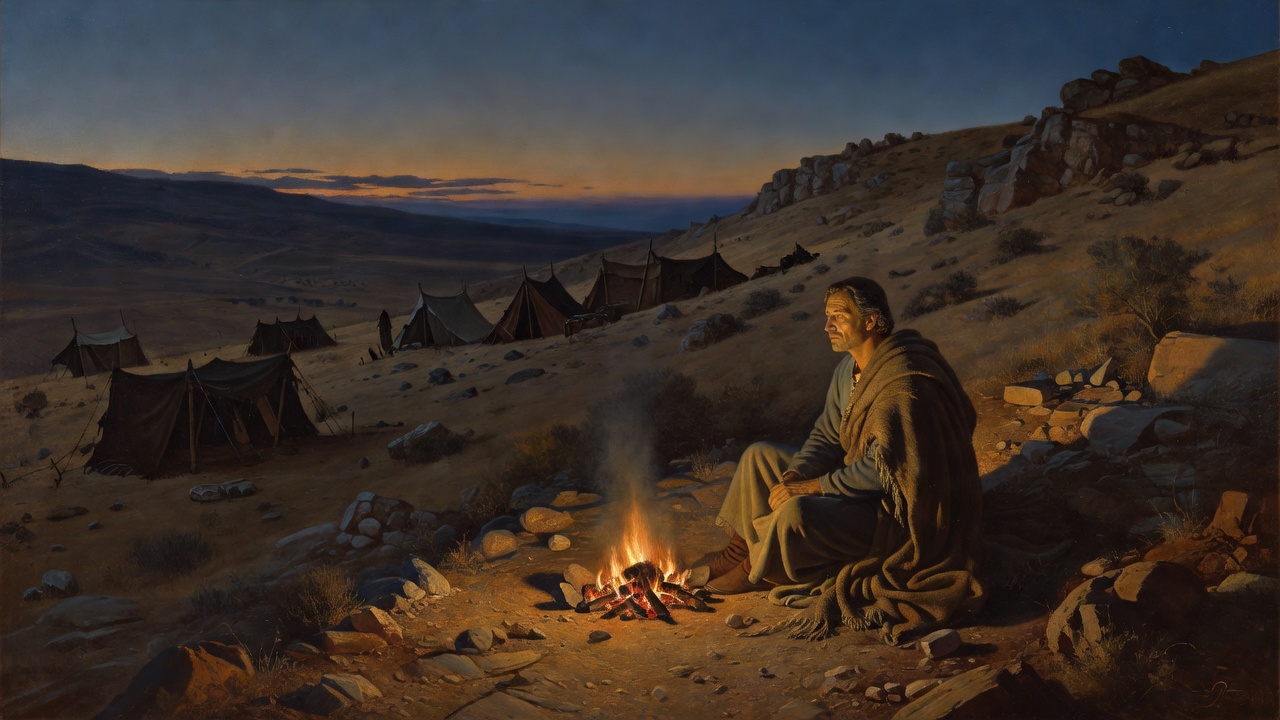
- The psalmist laments living in Meshech and among the tents of Kedar. Meshech was associated with northern peoples near the Black and Caspian Seas, while Kedar referred to nomadic tribes living in black tents in northwestern Arabia; together they symbolize distant, alien lands far from the community of worship.Sources: Meshech · Kedar · the Bible text itself
Notes written with AI assistance from open sources (Theographic Bible Metadata, CC BY-SA 4.0; Easton’s Bible Dictionary, public domain) and reviewed before publishing.
Places in this chapter
- Jerusalem · 31.777, 35.234 · verse 1
- Kedar · 29.811, 39.868 · verse 5
- Meshech · Today: about 200 km around Gordion · 39.655, 31.994 · verse 5
Only places identified with high confidence are shown (90% or more according to the scholarly sources compiled by OpenBible). Period map: DARE (Digital Atlas of the Roman Empire), CC BY 4.0; modern map: © OpenStreetMap contributors; places: OpenBible.info (CC BY 4.0).
Credits and license for this translation
KAKAƗYARI NIUKIEYA XAPAYARI WIXARIKAKƗ
The Holy Bible in the in Huichol language of Mexico, 2020 edition
La Santa Biblia en lengua huichol de México, edición 2020
copyright © 2020 Wycliffe Bible Translators, Inc.
Language: Huichol
Translation by: Wycliffe Bible Translators, Inc.
Huichol [hch], Mexico
Copyright Information
© 1988-2020, Wycliffe Bible Translators, Inc.
This translation text is made available to you under the
terms of the Creative Commons License: Attribution-Noncommercial-No Derivative Works.
( http://creativecommons.org/licenses/by-nc-nd/3.0/ )
In addition, you have permission to port the text to different file formats, as long as you
do not change any of the text or punctuation of the Bible.
You may share, copy, distribute, transmit, and extract portions
or quotations from this work, provided that you include the above copyright
information:
You must give Attribution to the work.
You do not sell this work for a profit.
You do not make any derivative works that change any of the actual words or punctuation of the Scriptures.
Permissions beyond the scope of this license may be
available if you contact
us with your request.
The Holy Bible
in Huichol
© 1988-2020, Wycliffe Bible Translators, Inc.
This translation is made available to you under the terms of the
Creative Commons Attribution-Noncommercial-No Derivatives license 4.0.
You may share and redistribute this Bible translation or extracts from it in any format, provided that:
You include the above copyright and source information.
You do not sell this work for a profit.
You do not change any of the words or punctuation of the Scriptures.
Pictures included with Scriptures and other documents on this site are licensed just for use with those Scriptures and documents.
For other uses, please contact the respective copyright owners.
2025-09-03
Source: http://ebible.org/hch/ · eBible.org