Psalms 102
KAKAƗYARI NIUKIEYA XAPAYARI WIXARIKAKƗ · Tap a verse to see its cross-references.
Mɨtiuka'eniwa nenewierieya kanihɨkɨtɨni, mɨximetɨ, yutatuatɨ yuhiwerietɨ Yawé kemɨtiutahɨawixɨ.
1Yawé, keneu'eni nenenewieri,
'ahetsɨa keye'ani ne'iwaurika hiwariyari.
2Neuxei kwerietɨ keneneuxeiya
kepauka nemɨtiuka'eniwa.
Kwi keneneu'eni,
yapauka keneneuta'eiya kepauka nemetsihahɨawe.
3Karikɨ kɨtsi hepaɨ netukari kanitiparikeni,
ne'umete kanenikukwaxiyani tɨɨ hepaɨ.
4Ne'iyari pɨkayɨweri meta 'iteɨri hepaɨ pɨtawaxime,
metatsiere nepɨkareukwaimɨkɨ.
5Waɨkawa karima nemuta'aiwakɨ
kaniyɨweni ne'umete muti'inɨata.
6Nekaneunutuixieka nɨpe yuxaɨta makumawetsie muyeika hepaɨ nekatiniyumaika,
mikɨri hepaɨ nekatiniyumaika kiekari mu'uni tsata muyeika.
7Nemeukuni nepɨkayɨweri,
wiki yuxaɨta kii heima makaka hepaɨ nepɨtiyumate.
8Tsepa kepauka memɨnetsi'aye'unie yuniukikɨ mepɨnetekwinitɨa,
meta mekaneniutaterɨwani paitɨ kepauka 'axamemɨtiyuani.
9Naxi xeikɨa kanine'ikwaitɨni,
nemɨti'ie hamatɨa ne'ukai nekananuye'eni.
10Pe'uyeha'aka waɨkawa,
pepɨnetsi'anukuketɨa 'ariketa 'ateewa pepɨnetsiheukahɨani.
11Netukari 'etɨri mɨyukupata hepaɨ pɨ'ane,
tupiriya hepaɨ nepɨtayɨnarirɨme.
12Yawé, 'ekɨ 'aheyemekɨ pekatini'aitani,
yuheyemekɨ 'ekɨ 'apekatiniteriweni yunaime nuiwarite watsata.
13Pekananukukemɨkɨ meta Tsiyuni pekanitinenimayatamɨkɨ,
'ari mɨkɨ tukari kanaye'aniri pemitinenimayatatsie.
Mɨkɨ tukari kemɨtiu'inɨaritsie kanaye'ani.
14'Ahetsɨa miemete mate'uximayatsiriwamete mekanixɨamayaka kemɨtiuta'unekai,
'unimeyari mexeiyatɨ mepinaki'erie.
15Yawé mekanimakaxekakuni nuiwarite kwiepa memɨtama,
te'aitamete kwiepa memɨte'aita yunaitɨ mekanimaikakuni kemɨtimariwe.
16Karikɨ Yawé Tsiyuni tawarita kanihekwatɨamɨkɨ,
meta kemɨtitɨrɨkaɨye matsiɨkɨtɨ kanayeimɨkɨ.
17Memɨyuhiwerie wanenewieri pe'enietɨ pekanayeimɨkɨ,
kememɨmetewawirieka tsiepɨre pepɨraye'atɨwani.
18'Ikɨ keraka'utɨarieni 'iya memɨtinunuiwa wahetsiemieme,
meta kiekari memɨnetɨarieni Yawé 'aixɨa meketehahɨaweni.
19Yawé kanakaniere yutuki mɨmariweta 'ayekaitɨ,
kwiepa naitsarie kanakuniere muyuawitsiepaitɨtɨ,
20'ateewa memehapanie watsuari 'enienike
meta mɨwaxɨnakɨ 'ari memɨkwi'iwarɨme,
21meta Tsiyunitsie Yawé mukuxaxatsiwanikɨ
meta Kerutsaremetsie mɨnɨawariekakɨ,
22kepauka yunaitɨ teɨteri meta te'aitamete
memɨyukuxexeɨriwa Yawé metahɨaweke.
23'Ane'umiekaku Kakaɨyari netɨrɨkariya kaniutixɨtɨani,
netukari 'etsikaniutipaɨmeriya.
24'Ayumieme mɨpaɨ nekaniutayɨni:
«Nekakaɨyari, pepɨkanetsihewitɨkɨni, netukari hixɨapa,
'ekɨ 'aheyeme pepuyeika.
25Tsɨtuapai 'ekɨ kwie pekaniunetɨani,
meta muyuawi kani'awewiyatɨni.
26Mɨkɨ mekaneuyewekuni, 'ekɨ peru 'apepuyeika.
Naitɨ mɨkɨ katinitixɨmɨkɨ 'ixuriki hepaɨ.
Meta kemari hepaɨ pepipataxɨani,
huma pepeitawiwieni.
27'Ekɨ peru yaxeikɨa mɨkɨ pepɨhɨkɨtɨni,
meta 'atukari hawaikɨ pɨkaheu'axe.
28Mate'uximayatsiriwamete waniwema 'amepu'uwani,
meta wanuiwarima 'amepu'uwani 'ahɨxie».
Did you know?
A Prayer of the Afflicted and the Hope of Zion
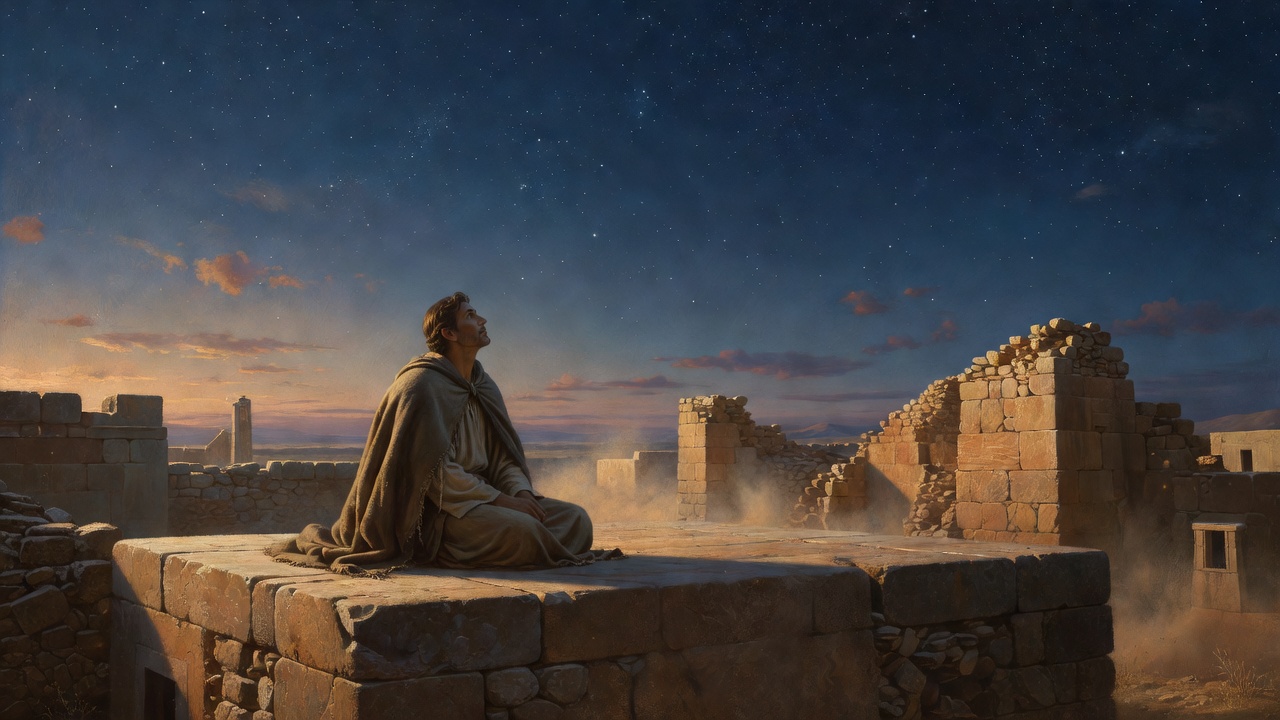
- Psalm 102 begins with a unique heading describing a prayer of an afflicted person pouring out a lament before the LORD. While the psalmist depicts deep personal suffering and solitary distress, the petition expands into a communal hope for God to have compassion on Zion and rebuild Jerusalem.Sources: the Bible text itself · Zion · Jerusalem
- The psalm explicitly states that this testimony of God delivering the destitute and prisoners should be written down for a future generation. To emphasize divine permanence in contrast to human transience, the author describes the heavens and earth as garments that will wear out and be changed, while God remains eternal.Sources: the Bible text itself
Notes written with AI assistance from open sources (Theographic Bible Metadata, CC BY-SA 4.0; Easton’s Bible Dictionary, public domain) and reviewed before publishing.
Places in this chapter
Only places identified with high confidence are shown (90% or more according to the scholarly sources compiled by OpenBible). Period map: DARE (Digital Atlas of the Roman Empire), CC BY 4.0; modern map: © OpenStreetMap contributors; places: OpenBible.info (CC BY 4.0).
Credits and license for this translation
KAKAƗYARI NIUKIEYA XAPAYARI WIXARIKAKƗ
The Holy Bible in the in Huichol language of Mexico, 2020 edition
La Santa Biblia en lengua huichol de México, edición 2020
copyright © 2020 Wycliffe Bible Translators, Inc.
Language: Huichol
Translation by: Wycliffe Bible Translators, Inc.
Huichol [hch], Mexico
Copyright Information
© 1988-2020, Wycliffe Bible Translators, Inc.
This translation text is made available to you under the
terms of the Creative Commons License: Attribution-Noncommercial-No Derivative Works.
( http://creativecommons.org/licenses/by-nc-nd/3.0/ )
In addition, you have permission to port the text to different file formats, as long as you
do not change any of the text or punctuation of the Bible.
You may share, copy, distribute, transmit, and extract portions
or quotations from this work, provided that you include the above copyright
information:
You must give Attribution to the work.
You do not sell this work for a profit.
You do not make any derivative works that change any of the actual words or punctuation of the Scriptures.
Permissions beyond the scope of this license may be
available if you contact
us with your request.
The Holy Bible
in Huichol
© 1988-2020, Wycliffe Bible Translators, Inc.
This translation is made available to you under the terms of the
Creative Commons Attribution-Noncommercial-No Derivatives license 4.0.
You may share and redistribute this Bible translation or extracts from it in any format, provided that:
You include the above copyright and source information.
You do not sell this work for a profit.
You do not change any of the words or punctuation of the Scriptures.
Pictures included with Scriptures and other documents on this site are licensed just for use with those Scriptures and documents.
For other uses, please contact the respective copyright owners.
2025-09-03
Source: http://ebible.org/hch/ · eBible.org