Numbers 6
KAKAƗYARI NIUKIEYA XAPAYARI WIXARIKAKƗ · Tap a verse to see its cross-references.
'Aitsika memɨyɨhɨritɨa wahetsiemieme
1Yawé Muitsexi katiniuta'aitɨani 2'ixaheritsixi mɨpaɨ mɨtiwatahɨawekɨ: «Xɨka xewitɨ 'uki yatɨni 'ukaratsi natsareyukɨ yɨhɨritɨamɨkɨni, Yawé hɨxie yake'utayɨni, 3mɨkɨ kaxie winuyari pɨkaye'eni matsiwi meta kwinimieme mɨratsiwi. Meta hipame winu, kaxie hayari, kaxie takariyari mɨpatsarutsietɨka pɨkakwa'ani. 4Mexi kexemɨte'uxa 'areutewini natsareyu hepaɨ, kaxie takariyari xepɨkakwa'ani meta kararayari hatsiyari nitɨma.
5»Mexi 'areutewini Yawé hetsiemieme patsietɨ, tatsɨari natsareyu hepaɨ pɨtimatsiɨkɨni, yaxeikɨata pɨka'ikaxikani yukɨpa matsi kanihayewakamɨkɨ mɨtiwawerekɨ meta puyukweriwayurieka 'itiyatɨ.
6»Kepauka mɨpaɨ 'anetɨ muyeikani Yawé hɨxie, mɨki manukatsie 'ahurawa pɨka'uyeikani, 7tsepa paapaya, maamaya, mutaya, kurieya memukwi. Mɨkɨ wahekɨ ka'iyatɨ pɨkahayuyeitɨwani, matsi mɨpaɨ pɨkayɨaneni Yawé 'inɨarieya mexeiyakɨ yumu'utsie. 8Kepauka patsietɨ 'amuyeikani Yawé hetsiemieme, yu'itietɨ kaniuyeikamɨkɨ patsietɨ.
9»Xɨka 'atsikara'eriwakaku xewitɨ 'auriena 'umɨni, yumu'utsie kemɨtipatsiekai mɨpaɨ ka'anetɨ kanayeimɨkɨ, 'atahuta tukari heutineyu, kepauka mɨ'itiyanitsie, 'ana naime yumu'utsie kaniyukaximɨkɨ. 10'Atahaika tukari heutineyu yuhutame kukuruxi kaniwaranɨtɨkimɨkɨ yatɨni haɨmɨxi, mawari wewiwame kaniyetuiriemɨkɨ 'ixuriki tukiyari mɨranutahakitɨretsie muka memayutixexeɨriwatsie. 11Mɨkɨ xeime mawari wewiwame kanitimawamɨkɨ 'itiya mawariyari meta hipame mawari taiyariyari mɨhɨkɨtɨnikɨ. 'Ana mawari wewiwame natsareyu patsiekame kaneyeitɨamɨkɨ, 'ikɨ 'axamɨtiuyurikɨ mɨki 'umayɨaka. 'Ana mɨkɨ tukaritsie natsareyu pɨ'itiyani yumu'utsie, 12'axakemɨtiyurienekai natsareyu Yawé hɨxie 'aixɨa pɨyɨyuriekai muxatsi warehapanatɨ xeiwiyari mehɨtɨkaime mawariwewietɨ mɨkɨkɨ mɨreuyehɨwiyariekakɨ. 'Ayumieme pɨkanaki'eriwani meripai mieme matsi puhayewariekairi 'aixɨa mɨka'uyuyurikɨ mana pɨtiuyu'a.
13»'Ikɨ 'inɨari natsareyu hetsiemieme kanihɨkɨtɨni kepauka manutinetɨarieni patsietɨ. Nanuwitɨkiemɨkɨ tuki kitenieyaritsie, 14mana katinitimawamɨkɨ kanitataiyamɨkɨ muxa Yawé hetsiemieme xeiwiyari hɨkame katikuyeme, meta xeime muxa 'ukitɨme 'itiya mawariyari mayanikɨ, meta 'aixɨa memɨteyuxeiyanikɨ mawariyari. 15Meta kanitimawamɨkɨ xeitsikɨiwitiyari paa mɨkakuxanariyarietɨka, meta tɨriku mɨtɨxiyari 'aixɨa mɨ'ane pɨhɨkɨtɨni wiyamatɨkaitɨ, tsuiraxi kakuxanariyarietɨkaime wiyamatɨkaime xeikɨa meta hatsite mawariyari, metatsiere kaxie winuyari mɨtiyeuriwa yɨnɨkame.
16»Hikɨ mawari wewiwame Yawé hɨxie kanitimawamɨkɨ, mawarika mɨreuyehɨwiyarienikɨ, mawarika taiyariyari natsareyu hetsiemieme. 17Muxa 'uki kanitimawamɨkɨ Yawé hetsiemieme 'aixɨa memɨteyuxeiyanikɨ mawariyari mayanikɨ, paa xeitsikɨiwitiyari hamatɨa. Meta hatsite kanitimawamɨkɨ metatsiere kaxie winuyari mɨtiyeuriwa yɨnɨkame.
18»Hikɨ tuki kitenie memayutixexeɨriwatsie natsareyu kaniyukaximɨkɨ yumu'utsie. Yukɨpa mupatsietɨka, taipa kaneuwiwimɨkɨ 'aixɨa memɨteyuxeiyanikɨ mawariyari mataiyarietsie.
19»'Ariri natsareyu yukaxiyu, mawari wewiwame paa kananatituimɨkɨ tsikɨiwititsie mɨkakuxanariyarie meta muxa 'uki naiparieya, mɨkɨ naime natsareyu katinipitɨamɨkɨ, 20'anaketa naime Yawé hɨxie pekaniyuitɨwamɨkɨ mawarika hepaɨ. Naitɨ katinipatsieka mawari wewiwame hetsiemieme katinihɨkɨtɨni, naitɨ tawitsiemieme, teurite kɨmana mɨrayukatuiya. Mɨpaɨ tiyurieme naime natsareyu winu manu'ieni kaniyɨweni.
21»'Ikɨ 'inɨari kani'ayumiemetɨni kemɨ'ane natsareyukɨ mɨyɨhɨritɨani. 'Ikɨ naime mawarika katiniwewimɨkɨ Yawé hetsiemieme natsareyu hetsiemieme meta kaniyɨweni tita mɨtiyetuani ketita mɨrexeiyani. 'Inɨari kemaine natsareyu hetsiemieme, xɨka natsareyu yuyeitɨamɨkɨni kaneye'atɨamɨkɨ kemaine».
Mawari wewiwamete hipame 'aixɨa memɨwayurienikɨ
22Yawé Muitsexi mɨpaɨ katiniuta'aitɨani: 23«Mɨpaɨ ketiniwarutahɨawi 'Aruni meta niwemama, 'ixaheritsixi 'aixɨa memɨwayuriekakɨ 'ikɨ niukikɨ:
24»“Yawé kematsi'ɨwiyani
'ahamatɨa ke'uyeikani,
25Yawé 'aixɨa kematixeiyani
yunaki'eriya kematsipitɨaka,
26Yawé kematsiparewieka
kayuwatɨ kematsipitɨaka”.
27»Mɨpaɨ xeputiyuaneni kenemɨtitewa 'ixaheritsixi watsata, yurikɨ ne neheyemekɨ nemɨxe'ɨwiyanikɨ».
Did you know?
The Nazirite Vow and the Priestly Blessing
- The Nazirite vow was a voluntary period of special consecration to God available to both men and women. During this time, the person had to abstain completely from grape products and fermented drinks, leave their hair uncut, and avoid ritual defilement from any dead body, even that of an immediate family member.Sources: the Bible text itself
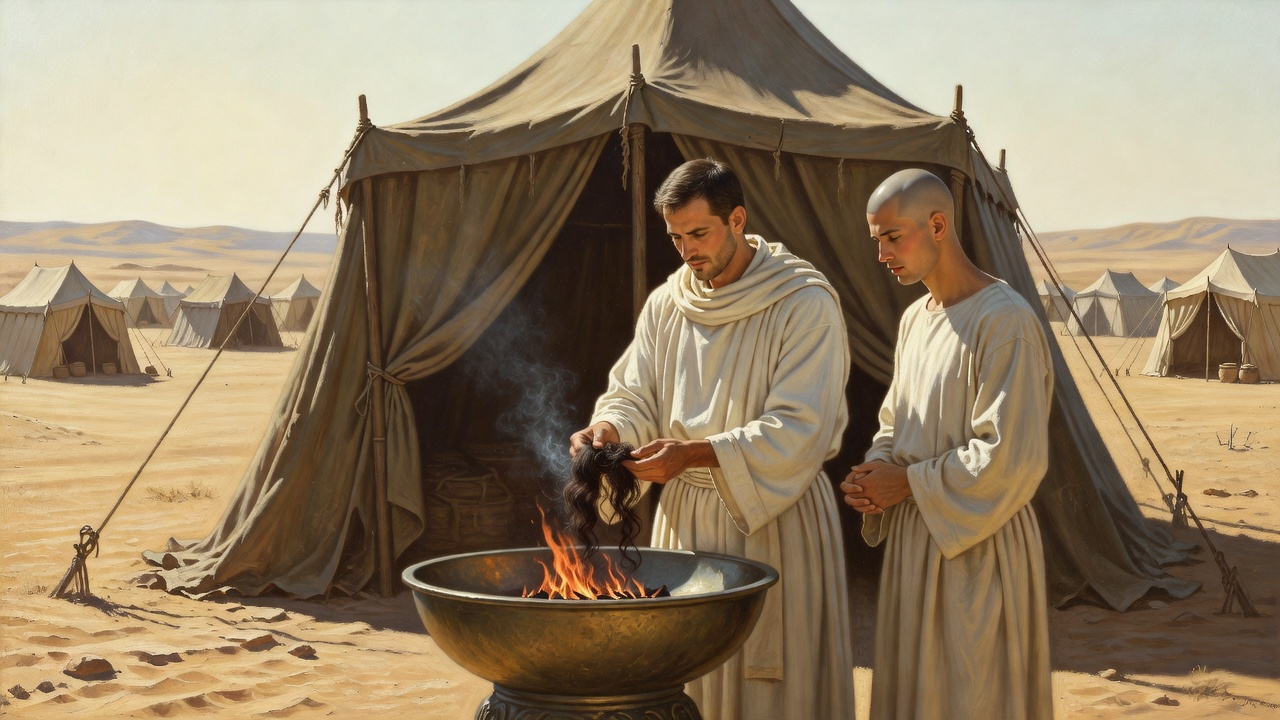
- When the period of separation ended, the Nazirite brought sacrifices to the entrance of the Tent of Meeting, shaved their head of hair, and burned the hair in the fire beneath the peace offering sacrifice. After the priest offered the required portions before God, the vow concluded and the person was allowed to drink wine again.Sources: the Bible text itself
- The chapter concludes with the priestly blessing that God instructed Moses to give to Aaron and his sons. By invoking God's protection, shining face, grace, and peace, the priests placed the divine name upon the people of Israel.Sources: the Bible text itself · Moses · Aaron
Notes written with AI assistance from open sources (Theographic Bible Metadata, CC BY-SA 4.0; Easton’s Bible Dictionary, public domain) and reviewed before publishing.
Credits and license for this translation
KAKAƗYARI NIUKIEYA XAPAYARI WIXARIKAKƗ
The Holy Bible in the in Huichol language of Mexico, 2020 edition
La Santa Biblia en lengua huichol de México, edición 2020
copyright © 2020 Wycliffe Bible Translators, Inc.
Language: Huichol
Translation by: Wycliffe Bible Translators, Inc.
Huichol [hch], Mexico
Copyright Information
© 1988-2020, Wycliffe Bible Translators, Inc.
This translation text is made available to you under the
terms of the Creative Commons License: Attribution-Noncommercial-No Derivative Works.
( http://creativecommons.org/licenses/by-nc-nd/3.0/ )
In addition, you have permission to port the text to different file formats, as long as you
do not change any of the text or punctuation of the Bible.
You may share, copy, distribute, transmit, and extract portions
or quotations from this work, provided that you include the above copyright
information:
You must give Attribution to the work.
You do not sell this work for a profit.
You do not make any derivative works that change any of the actual words or punctuation of the Scriptures.
Permissions beyond the scope of this license may be
available if you contact
us with your request.
The Holy Bible
in Huichol
© 1988-2020, Wycliffe Bible Translators, Inc.
This translation is made available to you under the terms of the
Creative Commons Attribution-Noncommercial-No Derivatives license 4.0.
You may share and redistribute this Bible translation or extracts from it in any format, provided that:
You include the above copyright and source information.
You do not sell this work for a profit.
You do not change any of the words or punctuation of the Scriptures.
Pictures included with Scriptures and other documents on this site are licensed just for use with those Scriptures and documents.
For other uses, please contact the respective copyright owners.
2025-09-03
Source: http://ebible.org/hch/ · eBible.org