Numbers 11
KAKAƗYARI NIUKIEYA XAPAYARI WIXARIKAKƗ · Tap a verse to see its cross-references.
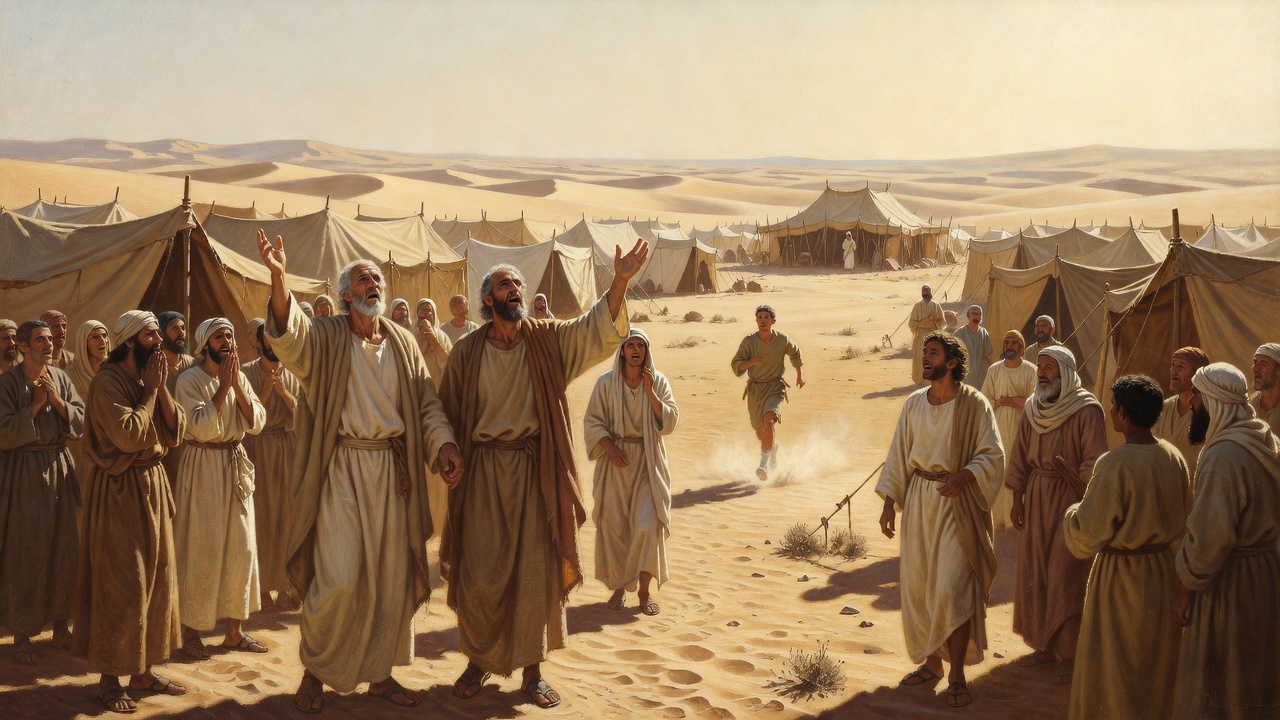
Taweratsie Yawé taikɨ kemɨtiwareuyehɨa
1Tawera metitetɨ 'ixaheritsixi 'axamekaniutiyuanekaitɨni Yawé hepaɨtsita mete'uka'eniwatɨ. Mɨkɨ waru'enieka waɨkawa kaniuyeha'ani, taikɨ wawarita mematiteitsie katinaxɨtsitɨatɨyani. 2Hikɨ 'ixaheritsixi Muitsexi waɨkawa mekaniwawiriekaitɨni, kaniuyutanenewieni Yawé mɨtiwareuyehɨwirienikɨ, 'ana tai kaniutɨni. 3'Ayumieme mana mɨya mɨtiɨyɨkɨ Tawera katiniuterɨwarieni, Yawé taikɨ mɨwarutitaiyaxɨkɨ.
Kiwuruti-Hatawa kiekatari kememɨteyu'uximatɨakai
4Hipatɨ teɨteri kɨkamete memaye'ukai waɨkawa meteheukwaikɨtɨ mekanakɨne. Hikɨ 'ixaheritsixi mekaniutitsuani meta mɨpaɨ me'utiyuatɨ: «Kemɨ'ane wai pɨtatsimini. 5Titayari tsapari 'Ekipitutsie temɨwaretikwa'akai tekateyutuatɨ tetewareku'eiri. Yaxeikɨata pepinu meta meruni temetikwa'akai metatsiere wexu, 'uyuri meta 'axuxi. 6Hikɨ neuxei tekananatiwawakini, manana xeikɨa tekanixeiyani».
7Manana tsiranituru hatsiyari hepaɨ katiniyuxexeiyakaitɨni, witsuanari mutimerɨka hepaɨ. 8'Ixaheritsixi mekanikuteɨxɨkaitɨni tetexi hutamekɨ mekanititɨxɨkaitɨni, yatɨni mekanititsunakaitɨni xɨka me'ika'etsakuni meta paa kɨmana mekaniwewiekaitɨni. Paa mɨwiyamarie hepaɨ kana'anekaitɨni. 9Tɨkarikɨ kepauka haɨtsi mɨkaxɨrɨwekai memakuteitsie, manatsiere manana kanikaxɨrɨwekaitɨni.
Muitsexi Kiwuruti-Hatawa kemɨtiuyu'uximatɨa
10Hikɨ Muitsexi kaniu'ena 'ixaheritsixi meta watɨɨriyama kememɨte'utsuanakai, yuxexuitɨ yuxamaru kitenie, Yawé mekanihaxɨatɨakaitɨni. Hikɨ yu'uximatɨatɨ, 11Muitsexi Yawé kaniutahɨawe nenewierikɨ:
—Xɨka ne neti'a'uximayatsiriwametɨni, ¿titayari peneti'uximatɨa? ¿titayari pekanetiparewie, teɨteri yunaitɨ nehetsie memɨte'uhɨpanikɨ penetihɨritɨa? 12¿Netsɨ neniwema menehɨkɨ, neniwarutiniwexɨ, pemɨnetsi'aitɨakɨ kename newa'ɨwiyani, 'atɨɨriyama waweriyame hepaɨ, newarakatɨtɨ nemɨwareta'atɨanikɨ hakewa paitɨ kwie wa'ukiyarima pemɨwarexatɨatsie? 13'Ikɨ yunaitɨ teɨteri wai mekaneniwawirieka me'utitsuatɨ. ¿Ne hakewa nepeikaxeiya? 14Ne nexaɨtame nepɨkayɨwe 'ikɨ teɨteri wahetsiemieme. Waɨkawa 'uximayatsika pɨhɨkɨ nehetsiemieme. 15Xɨka mɨpaɨ petiyurienemɨkɨ, ne nepɨmatsiwawirie netukari pemɨnetsi nawairienikɨ. Mɨpaɨ nepɨratɨmaiya hikɨ kenemɨtiuka'eniwa.
Yawé Muitsexi kemɨtiuta'ei
16Yawé Muitsexi mɨpaɨ katiniuta'eiya:
—'Ukirawetsixi 'ixaheritsixi haika tewiyari heimana tamamata kenene'atɨiri, mɨpaɨ ketinemaika yuteɨterima memɨwakuyuitɨwa xeikɨa mekaniyɨakakɨni. 'Ixuriki tukiyari manuwe keniwaranuwitɨki, mana 'etsiwa 'ahamatɨa yameketeheutewini. 17Ne 'ahamatɨa nemɨtitaxatakɨ nekananukatemɨkɨ, mɨkɨ wahetsieta yanekatiniyurimɨkɨ 'iyari pemexeiya memexeiyanikɨ, memɨmatsiparewiekakɨ 'ikɨ teɨteri mɨmatsihɨritɨa wahekɨ. Mɨpaɨ 'ekɨ 'axaɨtame xeikɨa pemɨkayɨanenikɨ.
18»Teɨteri xeikɨa mɨpaɨ pekatiniwatahɨawimɨkɨ: “Xekeneuyu'iti 'uxa'a miemekɨ, 'uxa'a wai xekanitikwaikuni. Xeme xekaniutitsuani Yawé hɨxie, mɨpaɨ xe'utiyuatɨ: ‘Wai ketatsi'umini. 'Ekipitutsie naime tepɨtehetikwa'akai.’ Mɨkɨta hikɨ wai kanixemimɨkɨ, xekanitikwaikuni. 19Xeitukari, nihuta tukari ni'aɨxɨwime tukari, tamamata tukari, meta nixeitewiyari tukari xepɨka'itikwa'ani, 20matsi xeimetseri, kepaukake xetsurita makanexɨani, kepaukake xemitixani'erieni. Yawé xemu'uximatɨakɨ, xehamatɨa muyeika, xemutitsuakɨ mɨpaɨ xe'utiyuatɨ: ‘¿Titayari 'Ekipitutsie tetehayekɨ?’”»
Kakaɨyari niukieya kanaye'atɨarieni
21Muitsexi mɨpaɨta kaniutayɨni:
—Ne kuyaxi 'ataxewime tsienituyari miriyari wahamatɨa nekaniuyeikani, ¿'ekɨta wai xeimetseritsie xeikɨa petiwamini peraine? 22Tsepanetɨ xeikuraruyari tsipuru mɨwarukwi'iri mepɨkatenake, tsepanetɨ haramaratsie tsapari memuye'uwa yunaime mɨwarukwi'iri yunaitɨ mepɨkatenake.
23Yawé Muitsexi mɨpaɨ katiniuta'eiya:
—¿Kamɨtsɨ Yawé tɨrɨkariyaya reu'atɨka? Hikɨtsɨ pekaninierimɨkɨ, xɨka neniuki nehaye'atɨamɨkɨ yatɨ pɨtikatixaɨ.
24Hikɨ Muitsexi 'ixaheritsixi yakatiniwarutahɨawe Yawé kemɨtitahɨawekai. Mɨkɨ kaniwarukuxeɨrieni haika tewiyari heimana tamamata 'ukirawetsixi, wa'aurie kaniyuhayewa ta'ikwewatɨ 'ixuriki tukiyari 'aurie. 25Yawé haitsie 'uyekaitɨ Muitsexi hamatɨa katiniutaxata, meta haika tewiyari heimana tamamata 'ukirawetsixi 'iyari kaniwarupitɨani Muitsexi meixeiyakai. Kepauka 'iyari wahetsie mɨyuhayewaxɨ, metekuxatatɨwetɨ mekanakɨne. Tawarita mɨpaɨ pɨkatiɨyɨ.
26Yuhutatɨ 'ukirawetsixi yukie memuyuhayewakai. Xewitɨ 'Erirari titewatɨ, xewitɨta Merari. Tsepa memanayexeiyariekai tuki manuwe mepɨkahekɨ. Yatɨtɨ, 'iyari wahetsie pɨtiunakixɨ, mɨkɨta metekuxatatɨwetɨ mekanakɨne mematiteitsie. 27Hikɨ xewitɨ temaikɨtɨtɨ kaniutanautsa Muitsexi mɨkɨkɨ retaxatɨanike, mɨpaɨ kaniutayɨni:
—'Erirari, Merari hamatɨa mekatenekuxatatɨweni temakuteitsie.
28Kutsuhexi Nuni nu'aya, ti'uximayatame manayexeiyarie Muitsexi parewiwameyakɨ temaikɨyari paitɨ, mɨpaɨ kaniutayɨni:
—Muitsexi, neti'aitɨwame, keniwaruta'imaiya.
29Muitsexi mɨpaɨta kaniutayɨni:
—¿Nekɨmana peti'ɨtetsa? Mɨpaɨ nepɨtiku'eriwakaku yunaitɨ 'ikɨ Yawé teɨterimama 'iyari mepexeiyanikeku memɨtekuxatanikɨ.
30Hikɨ Muitsexi meta 'ukirawetsixi mekaniu'axɨani mematitekaitsie.
Xɨ'aurixi
31Yawé 'eka kaniuyuitɨani xɨ'aurixi haramaratsie miemete waratɨkɨme, mematiteitsie kaniwarukaxɨrieni. Memakuteitsie wa'aurie xɨ'aurixi mekanakunɨkaitɨni, xeitukari 'umietɨ ranuyenakeme me'atayeutɨ, xeimeturuyari metsuitɨ kwiepa. 32'Ixaheritsixi mekaniwarukuteɨxɨ xɨ'aurixi mɨkɨ tukaritsie meta naime mɨkɨ tɨkaritsie meta 'uxa'arieka. Yunaitɨ tamamata 'ikayari mekaniukuxeɨrieni. Memakuteitsie takwa yateewa mekaniwarutiwatsiɨxa.
33Hikɨ kepauka memeitakwaixɨa yuteta meka'itikeiwawekaku 'akuxi, Yawé kaniuyeha'ani 'ixaheritsixi wahetsiemieme, 'ana yuwaɨkawatɨ mekaniukwini. 34'Ayumieme mana mekateniuterɨwa Kiwuruti-Hatawa, mana memukateukiekɨ 'ikwaitsie xeikɨa memɨyukɨhɨawekaikɨ.
35Mana Kiwuruti-Hatawa memɨyekɨ 'ixaheritsixi, mekanekɨne pɨta Katseruti mana mekaniuyuhayewa.
Did you know?
Complaints, Quail, and the Spirit in the Camp
- The places mentioned in this chapter derive their names from events during the journey: Taberah means "burning," named after fire consumed the outskirts of the camp, while Kibroth-hattaavah means "graves of longing" or "graves of lust," where those who craved meat were buried.Sources: Taberah · Kibroth-hattaavah · the Bible text itself
- Although seventy elders were selected to help Moses bear the responsibility of leadership, Eldad and Medad remained in the camp instead of going to the Tent of Meeting, yet the Spirit rested on them and they prophesied. When Joshua urged Moses to stop them, Moses replied that he wished all the Lord's people were prophets.Sources: Eldad · Joshua · the Bible text itself
- The text describes manna as resembling coriander seed and resin, which the Israelites gathered, ground with handmills or crushed in mortars, and boiled in pots or baked into cakes tasting like pastry prepared with fine oil.Sources: the Bible text itself
Notes written with AI assistance from open sources (Theographic Bible Metadata, CC BY-SA 4.0; Easton’s Bible Dictionary, public domain) and reviewed before publishing.
Places in this chapter
Only places identified with high confidence are shown (90% or more according to the scholarly sources compiled by OpenBible). Period map: DARE (Digital Atlas of the Roman Empire), CC BY 4.0; modern map: © OpenStreetMap contributors; places: OpenBible.info (CC BY 4.0).
Credits and license for this translation
KAKAƗYARI NIUKIEYA XAPAYARI WIXARIKAKƗ
The Holy Bible in the in Huichol language of Mexico, 2020 edition
La Santa Biblia en lengua huichol de México, edición 2020
copyright © 2020 Wycliffe Bible Translators, Inc.
Language: Huichol
Translation by: Wycliffe Bible Translators, Inc.
Huichol [hch], Mexico
Copyright Information
© 1988-2020, Wycliffe Bible Translators, Inc.
This translation text is made available to you under the
terms of the Creative Commons License: Attribution-Noncommercial-No Derivative Works.
( http://creativecommons.org/licenses/by-nc-nd/3.0/ )
In addition, you have permission to port the text to different file formats, as long as you
do not change any of the text or punctuation of the Bible.
You may share, copy, distribute, transmit, and extract portions
or quotations from this work, provided that you include the above copyright
information:
You must give Attribution to the work.
You do not sell this work for a profit.
You do not make any derivative works that change any of the actual words or punctuation of the Scriptures.
Permissions beyond the scope of this license may be
available if you contact
us with your request.
The Holy Bible
in Huichol
© 1988-2020, Wycliffe Bible Translators, Inc.
This translation is made available to you under the terms of the
Creative Commons Attribution-Noncommercial-No Derivatives license 4.0.
You may share and redistribute this Bible translation or extracts from it in any format, provided that:
You include the above copyright and source information.
You do not sell this work for a profit.
You do not change any of the words or punctuation of the Scriptures.
Pictures included with Scriptures and other documents on this site are licensed just for use with those Scriptures and documents.
For other uses, please contact the respective copyright owners.
2025-09-03
Source: http://ebible.org/hch/ · eBible.org