Matthew 2
KAKAƗYARI NIUKIEYA XAPAYARI WIXARIKAKƗ · Tap a verse to see its cross-references.
Temaiwawemete kememɨte'u'axɨa
1Merikɨtsɨ Ketsutsi Wereni paitɨ hetinuiwaku Kureya kwieyaritsie, kepauka Herurexi mana mɨti'aitametɨkai. 'Ana yukwiepa meheyekɨneka temaiwawemete tayeta mepayenexɨa, kiekaritsie Kerutsareme mekaniu'axɨani, 2mɨpaɨ me'utiyuatɨ:
―¿Hakewari peka Huriyutsixi teɨteriyari tiwa'aitɨwame metinuiwaxɨ? Tame xurawe tepexei 'anatineximekaku, tepu'axɨa nenewieri te'ipitɨanike.
3Kepauka ti'aitame Herurexi mɨtiutamari kaniuyeha'ani, meta yunaitɨ Kerutsareme kiekatari. 4Hikɨ yunaime kiekatari kaniwarukuxeɨrieni mawari wewiwamete tewa'aitɨwamete, meta 'inɨarikɨ memɨte'ɨkitametetɨkai, teɨteri watsata miemete yunaime, kaniwaruta'iwawiya hakewa metinuiwakekai Kɨritsitu. 5Mɨpaɨ mekatenitahɨawe:
―Wereni paitɨ Kureya kwieyaritsie, mɨpaɨ mɨtiu'ɨtɨakaikɨ Kakaɨyari niukameya:
6»“Peru 'ekɨ, Wereni, Kureya kwieyaritsie mukuma,
kepemɨtinenixeiyarie te'aitamete Kura kwieyaritsie watsata, kanimariwani xekiekari.
'Ahetsɨa pɨyenuiwa ti'aitametɨtɨ,
neteɨterima 'ixaheritsixi wa'ɨwiyame kanayeimɨkɨ”».
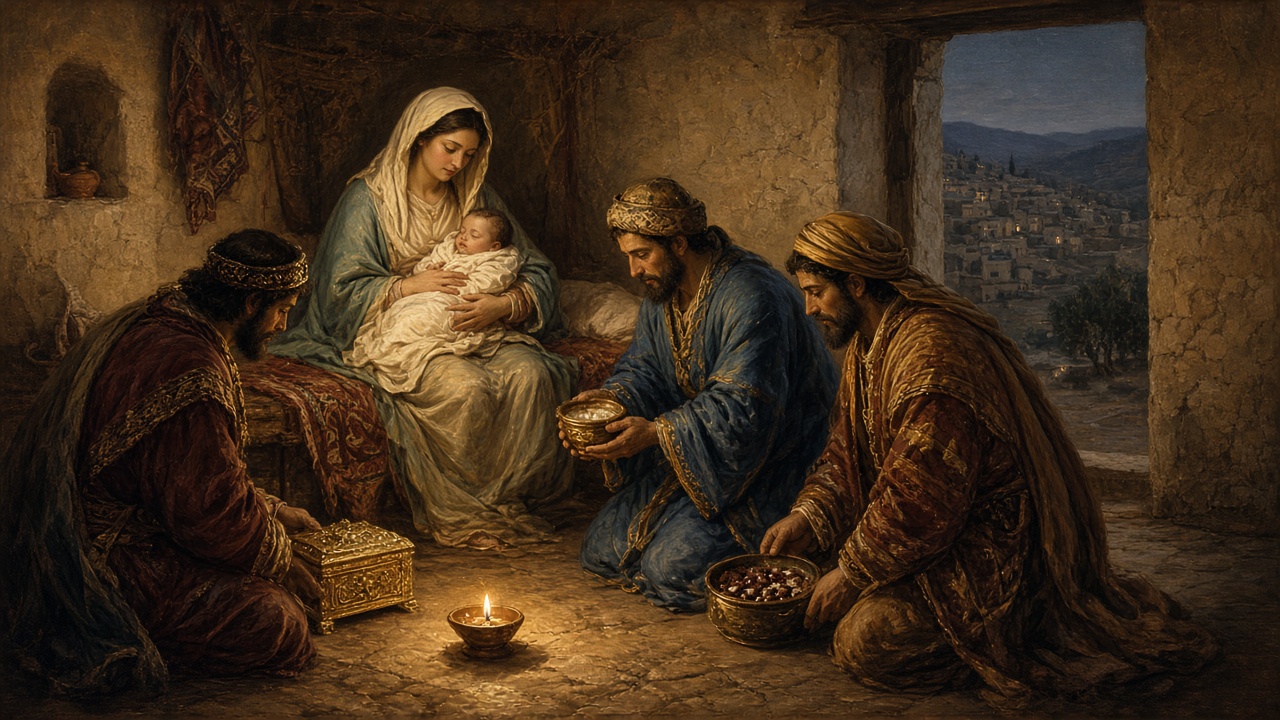
7Hikɨ Herurexi temaiwawemete kaniwaruta'inieni 'awie. Kaniwaruta'iwawiya heitseriemekɨ kepauka muyuhekɨataxɨ xurawe. 8Hikɨ kaniwarenɨ'ani Wereni paitɨ, mɨpaɨ tiwarutahɨaweka:
―Mana xekenehu, heitseriemekɨ xekeneti'iwau nunutsi hepaɨtsita. Kepauka xemeitaxeiya yaxekeneteneutahɨawi, manata ne neminenewiyamiekɨ.
9Ti'aitame me'u'enieka mekanekɨne, kamɨtsɨ xurawe memexeiyakai 'anatineximekaku, mɨkɨ wahɨxie kaniumiekaitɨni. Heta'aka hakewa meyekatei nunutsi, heimana kaniuyeyerɨni. 10Me'ixeiyatɨ xurawe kwini mieme mekateniyutemamawiekaitɨni yemekɨ. 11Hikɨ kiita meheutahaxɨaka, nunutsi mekaniuxeiya Mariya mɨmaamaya hamatɨa, hikɨ me'utihɨxima'uka nenewieri mekanipitɨani. Yupiinite metewatipika, 'imikieri mekatenimini huru, 'ɨkwa witsimu'ɨa meta mixaxi. 12Hikɨ yuheinɨtsita mete'utaxatɨarieka kename Herurexi hetsɨa tawari mekaheuhuni, xeime huyeyari 'utɨa pɨta me'uhutɨ yukwiepapai mekanakunuaxɨani.
Kememɨte'uyuta'unaxɨ 'Ekipitu kwieyaritsie paitɨ
13Merikɨtsɨ mehekɨnekuri mɨkɨ, Kutse yuheinɨtsita Ti'aitame hetsɨa mieme niuki tuayame kaniuxeiya, mɨpaɨ katinitahɨawe: «Kenanukukexi, keniwaranuwitɨki nunutsi meta maamaya, 'Ekipitu paitɨ xekeneuyuta'una. Mana xekenekuteni, kepaukake yanemɨtayɨni. Herurexi nunutsi kanitiwaumɨkɨ 'imienike».
14Hikɨ 'anukukeka Kutse, yɨwikɨta kaniwarewitɨni nunutsi meta maamaya 'Ekipitu paitɨ. 15Mana mekanikutekaitɨni mexi Herurexi kamɨwekai. Mɨpaɨ katinaye'atɨarieni Ti'aitame kemainekai Kakaɨyari niukameya mɨpaɨ mainekaikɨ: «'Ekipitu kwieyaritsie neniwe nekaniutahɨawe».
16Hikɨ kepauka mɨtiutamari Herurexi kememɨte'ikwamanaxɨ temaiwawemete, kwinimieme katiniuyeha'ani. Hikɨ katiniuta'aita tɨɨri memɨwakwinikɨ yunaime huta wiyari memɨkahɨtɨka 'akuxi, Wereni memɨtitekai meta naitsarie 'auriena memɨtitekai, kememɨte'itahɨawixɨ temaiwawemete tukari hepaɨtsita. 17Hikɨ mɨpaɨ katinaye'atɨarieni Keremiyaxi Kakaɨyari niukameya kemutayɨkai:
18«Xewitɨ pe'enierie Xama kiekariyaritsie
'utatsuatɨ yuheiwerietɨ kwinimieme,
Xakeri putatsuaka yuniwema wahekɨ
kayunɨtɨarinɨatɨ 'amemɨka'u'uwakɨri».
19Merikɨtsɨ 'arike Herurexi 'umɨku, Kutse yuheinɨtsita kanixeiya Ti'aitame hetsɨa mieme niuki tuayame 'Ekipitu kwieyaritsie heyeikatɨ, 20mɨpaɨ katinitahɨawe: «Kenanukukexi, keniwaranuwitɨki nunutsi meta maamaya 'Ixaheri kwieyaritsie kenemie. Mekanekwiniri mɨkɨ nunutsi memɨmiekukai».
21Hikɨ 'anukukeka kaniwarewitɨni nunutsi meta maamaya, mana kaneta'ani 'Ixaheri kwieyaritsie. 22Merikɨ tiutamarieka kename 'Arikerau ti'aitametɨkai Kureya kwieyaritsie yupaapa hetsiemieme Herurexi, peumakai mana mɨye'anikɨ. Mɨpaɨ Kakaɨyari katinitahɨawe heinɨtsitana, Karereya kwieyaritsie pɨta kenemie, 23mana kiekari Natsareti mɨrakutewatsie kaninuani. Mɨpaɨ katinaye'ani Ti'aitame kemutayɨ, Kakaɨyari niukametemama yame'utiyuanekaku kename: «Natsarenu titewakakekai».
Did you know?
Magi, Herod, and Nazareth
- The King Herod of this chapter is Herod the Great. His son Archelaus, by Malthace, a Samaritan woman, inherited a third of the kingdom: Idumea, Judea, and Samaria. Until a few days before Herod's death another son, Antipas, had been named successor, but in his last moments Herod named Archelaus; for fear of him, Joseph turned aside from Judea and withdrew to Galilee.Sources: Archelaus · the Bible text itself
- Matthew links the deaths of the boys in Bethlehem to words spoken through the prophet Jeremiah: a voice in Ramah, Rachel weeping for her children. Rachel, one of Jacob's wives, died giving birth to Benjamin and was buried by the wayside on the road to Ephrath, that is Bethlehem, directly north of the town. Her sepulchre is regarded with great veneration by the Jews.Sources: the Bible text itself · Rachel · Bethlehem
- Bethlehem, in the hill country of Judah, was earlier called Ephrath and was also known as the city of David; under the Romans it lay in Judea, the southernmost of the three divisions of Palestine. Joseph and Mary went instead to Nazareth in Galilee, their home, a town not mentioned in the Old Testament. The name Nazareth is generally supposed to come from the Hebrew netser, a shoot or sprout, though some connect it with a word for guarding or watching.Sources: Bethlehem · Judea · Nazareth · the Bible text itself
Notes written with AI assistance from open sources (Theographic Bible Metadata, CC BY-SA 4.0; Easton’s Bible Dictionary, public domain) and reviewed before publishing.
Places in this chapter
- Bethlehem · 31.704, 35.208 · verses 1, 5, 6, 8, 9, 16
- East · Today: region around Amman · 31.955, 35.934 · verses 1, 2, 9
- Jerusalem · 31.777, 35.234 · verses 1, 3
- Judea · Today: Judea 1 · 31.777, 35.234 · verses 1, 5, 22
- Egypt · 30.129, 31.308 · verses 13, 14, 15, 19
- Galilee · 32.760, 35.527 · verse 22
- Nazareth · 32.702, 35.298 · verse 23
Only places identified with high confidence are shown (90% or more according to the scholarly sources compiled by OpenBible). Period map: DARE (Digital Atlas of the Roman Empire), CC BY 4.0; modern map: © OpenStreetMap contributors; places: OpenBible.info (CC BY 4.0).
Credits and license for this translation
KAKAƗYARI NIUKIEYA XAPAYARI WIXARIKAKƗ
The Holy Bible in the in Huichol language of Mexico, 2020 edition
La Santa Biblia en lengua huichol de México, edición 2020
copyright © 2020 Wycliffe Bible Translators, Inc.
Language: Huichol
Translation by: Wycliffe Bible Translators, Inc.
Huichol [hch], Mexico
Copyright Information
© 1988-2020, Wycliffe Bible Translators, Inc.
This translation text is made available to you under the
terms of the Creative Commons License: Attribution-Noncommercial-No Derivative Works.
( http://creativecommons.org/licenses/by-nc-nd/3.0/ )
In addition, you have permission to port the text to different file formats, as long as you
do not change any of the text or punctuation of the Bible.
You may share, copy, distribute, transmit, and extract portions
or quotations from this work, provided that you include the above copyright
information:
You must give Attribution to the work.
You do not sell this work for a profit.
You do not make any derivative works that change any of the actual words or punctuation of the Scriptures.
Permissions beyond the scope of this license may be
available if you contact
us with your request.
The Holy Bible
in Huichol
© 1988-2020, Wycliffe Bible Translators, Inc.
This translation is made available to you under the terms of the
Creative Commons Attribution-Noncommercial-No Derivatives license 4.0.
You may share and redistribute this Bible translation or extracts from it in any format, provided that:
You include the above copyright and source information.
You do not sell this work for a profit.
You do not change any of the words or punctuation of the Scriptures.
Pictures included with Scriptures and other documents on this site are licensed just for use with those Scriptures and documents.
For other uses, please contact the respective copyright owners.
2025-09-03
Source: http://ebible.org/hch/ · eBible.org