Matthew 11
KAKAƗYARI NIUKIEYA XAPAYARI WIXARIKAKƗ · Tap a verse to see its cross-references.
Ketsutsi meta Wani Ti'ɨyame
1Merikɨtsɨ Ketsutsi kepauka mɨtiutahayewaxɨ tiwa'aitɨatɨ yuhetsɨa miemete teyɨ'ɨkitɨwamete tamamata heimana memuyuhuta, mana kanayeyani hipame kiekaritetsie mɨti'ɨkitanikɨta mɨtikuxatanikɨ meta.
2Wani katsariyanata kanayewekaitɨni, tiutamarieka Kɨritsitu kemɨtiyurienekai, kaniwarutanɨ'ani yuhetsɨa miemete teyɨ'ɨkitɨwamete, 3mɨpaɨ memɨte'ita'iwawiyakɨ:
—¿'Ekɨ petihɨkɨ kemɨ'ane 'umamienikekai, nutsu xeime 'akuxi tepɨtakwewieka?
4Ketsutsi mɨpaɨ katiniwaruta'eiya:
—Xekenehu, xeketenetaxatɨa Wani tita xemɨte'u'eni tita xemɨte'uxei hepaɨtsita: 5Memɨkaheuneniere meheunenieretɨ kememɨte'akɨka, huriekate kememɨte'anuku'uwe, mɨkɨ nawi kwiniyayari memexeiya me'itiyatɨ kememɨte'akɨka, memɨkaheu'enana meheu'enanatɨ kememɨte'akɨka, mɨkite kememɨte'anuku'uitɨariwa, tixaɨtɨ memɨkatehexeiya niuki 'aixɨa manuyɨne kememɨtekuxaxatɨariwa. 6Meta 'aixɨa kani'itɨarieka kemɨ'ane nekɨmana mɨkakunuani.
7Merikɨtsɨ mehekɨneku Wani hetsɨa miemete, Ketsutsi kanitsutɨani tiwakuxaxatɨwatɨ teɨteri Wani hepaɨtsita mɨpaɨ 'utaitɨ: «¿Tita xetehekuxei makumawetsie? ¿Haka 'ekakɨ 'uyuaneme xeteheku'ixɨari? Tixaɨ xɨari. 8¿Kamɨtsɨ tita xeteheku'ixɨari? ¿Xiku 'ixuriki mɨyumeni manakatɨkɨ xetehekuxei? Nekatixaɨtsietɨ. Matsi mɨkɨ mɨyumemeni memanakatɨkɨ te'aitamete wakiita mepayetei. 9Kamɨtsɨ, ¿tita yemekɨ xeteheku'ixɨari? ¿Kakaɨyari niukameya xeteheku'ixɨari? Huu, mɨpaɨ nepɨtixekɨhɨawe, Kakaɨyari niukameya xepekuxei, yemekɨ Kakaɨyari niukameya keyuri hipatɨ. 10'Ikɨ kanihɨkɨtɨni 'utɨarika hepaɨtsitana mɨpaɨ maine:
»“Kamɨ, ne neniuki tuayame nekananunɨ'amɨkɨ 'ahɨxie paitɨ,
mikuha'aritɨanikɨ 'ahuye pekanuawekaku 'akuxi”.
11Yurikɨ mɨpaɨ nepɨxerahɨawe, 'akuxi pɨkatinuiwawe nixewitɨ Wani Ti'ɨyame hepaɨ timariwetɨ, peru matsi tewi tixaɨtɨ mɨkatihɨkɨ Kakaɨyari mɨra'aitatsie Wani reuyeta katinimariweni. 12Wani Ti'ɨyame 'amɨtinua meta 'atsita hikɨ, Kakaɨyari kemɨti'aita tiuka'eniwatɨ kaniumieni 'apɨta waye'ekakaku meta wayetɨrɨkarekaku. Kemɨ'ane memɨte'ukanenewie meta yurikɨ memɨyɨa xeikɨa mepɨkɨyɨwekare hetsiena memɨtewiya. 13Kakaɨyari niukametemama yunaitɨ meta 'inɨari niukiyari metenikuxatakaitɨni 'arike kemɨtiyɨnikekai 'atsita Wani munuatsie. 14Xɨka xeyuwaɨriyani xemitanaki'erieni 'ikɨ neniuki, mɨkɨ Wani kanihɨkɨtɨni 'Eriyaxi 'umamiekai. 15Xewitɨ netɨ mu'enaxɨ, ke'u'ena.
16»¿Tita 'inɨari netitaxata hikɨ miemete teɨteri wahetsiemieme? Tɨɨri wahepaɨ mekani'aneneni kiekari hixɨapa memɨtitei memɨwahiwie yu'iwama mɨpaɨ me'utiyuatɨ:
17»“Tepɨxekɨrautawiyakai,
xemeta xepɨkate'ukanei.
Hiwerika kwikariyari teputikwikaxɨ,
xemeta xepɨka'utitsua”.
18»Wani kaninuani, katikwa'atɨ meta kaye'etɨ, xemeta mɨpaɨ xeputiyuanekai: “Kakaɨyari 'axamɨ'ane kaninɨka”. 19Neta Yuri Tewi nehɨkɨtɨtɨ nemunua, netikwa'atɨ meta netiye'etɨ, mɨpaɨta xeputiyuane: “'Ikɨ tewi 'ikwaikɨ xeikɨa pɨyɨane, winukɨ xeikɨa pɨyɨane, pɨwahamiku mɨkɨ kuwiyexinu hetsiemieme tewawamete meta 'axateyuruwamete”. Peru pɨmatsiɨkɨ kemɨ'ane mɨtimaiwe kemɨtiyurienekɨ».
Kememɨkateyuwaɨriyakai hipatɨ kiekarite
20Hikɨ kanitsutɨani warutate'atɨ teɨteri hipame kiekaritetsie kiekatari hakewa mariwemekɨ mɨreyuri mɨiremekɨ, memɨkatehayewakaikɨ kememɨteyuriekai. 21Mɨpaɨ kaniutayɨni: «Xɨa'ui, Kuratsini kiekatari. Xɨa'ui Wetsaira kiekatari. Tirutsie meta Tsirunitsie xɨka mariwemekɨ tiuyɨnike kemɨtiuyɨ xehetsɨa, mana kiekatari meripaitɨri mepɨte'uhayewake kememɨteyuriekai, waɨkawa mepɨyuheiweriekakeyu maixa me'anakatɨtɨ heiwerika 'inɨariyari, naxi meyukawiriwatɨ. 22Peru mɨpaɨ nepɨxerahɨawe Tiru meta Tsiruni kiekatari wahetsiemieme tukari 'aye'ayu kepauka 'itsɨkame mɨwatahɨawe 'etsiwa xeikɨa mekatenikwinitɨariekuni, peru xeme waɨkawa matsi xekatenikwinitɨariekuni. 23Xemeta Kaperunaumetari, ¿muyuawitsie paitɨ xe'anuwitɨkienike xeteyu'erie? Hawaikɨ, mɨkite wahetsɨa xepeukaxɨriyani pɨta. Xɨka Tsurumatsie mariwemekɨ tiuyɨnike kemɨtiuyɨ xehetsɨa, mɨkɨ kiekari 'apukumakakeyu 'akuxi hikɨ. 24Peru mɨpaɨ nepɨxerahɨawe, Tsuruma kiekatari tukari 'aye'ayu kepauka 'itsɨkame mɨwatahɨawe 'etsiwa xeikɨa mekatenikwinitɨariekuni, xeme waɨkawa matsi xekatenikwinitɨariekuni».
Nehetsɨa xekeneu'axɨa xekene'uxipieka
25Merikɨtsɨ 'ana Ketsutsi mɨpaɨ kaniutayɨni: «Ne'ukiyari, taheima pemɨti'aita meta kwiepa, pamɨpariyutsi nepɨmatsipitɨa, pemɨtiuti'awietaxɨkɨ 'ikɨ naime memɨkaheitimanikɨ mɨkɨ memɨteyɨ'ɨkitɨawawe meta memɨtemaiwawe, tɨɨri pɨta wahetsiemieme matsiɨkɨme pemayeitɨakɨ. 26Huu, ne'ukiyari, pepɨ'awaɨriyakai mɨpaɨ pemɨtiyurienenikɨ.
27»Ne'ukiyari naime kanetiniyetuirieni. Nixewitɨ pɨka'imate Nu'aya 'Ukiyarieya xeikɨa pimate, meta nixewitɨ pɨka'imate 'Ukiyarieya Nu'aya xeikɨa pimate meta mexɨka nu'aya yuwaɨriyani matsiɨkɨme meyeitɨani peitimani 'ukiyarieya.
28»Nehetsɨa xekeneu'axɨa xeme yunaitɨ xemu'u'uxe xete'uximayatɨ meta xemu'ika, ne nepɨxeka'uxipitɨani. 29Neyuku xekenanuyetekani, xenetsi'enietɨ xeketeneyɨ'ɨkitɨaka, ne nepɨka'ane'eriya meta nepɨkatinekatawe'erie ne'iyaritsie, 'uxipiya xekanitaxeiyakuni yu'iyaritsie. 30Neyuku 'aixɨa pɨ'ane meta ne'ika pa'exani».
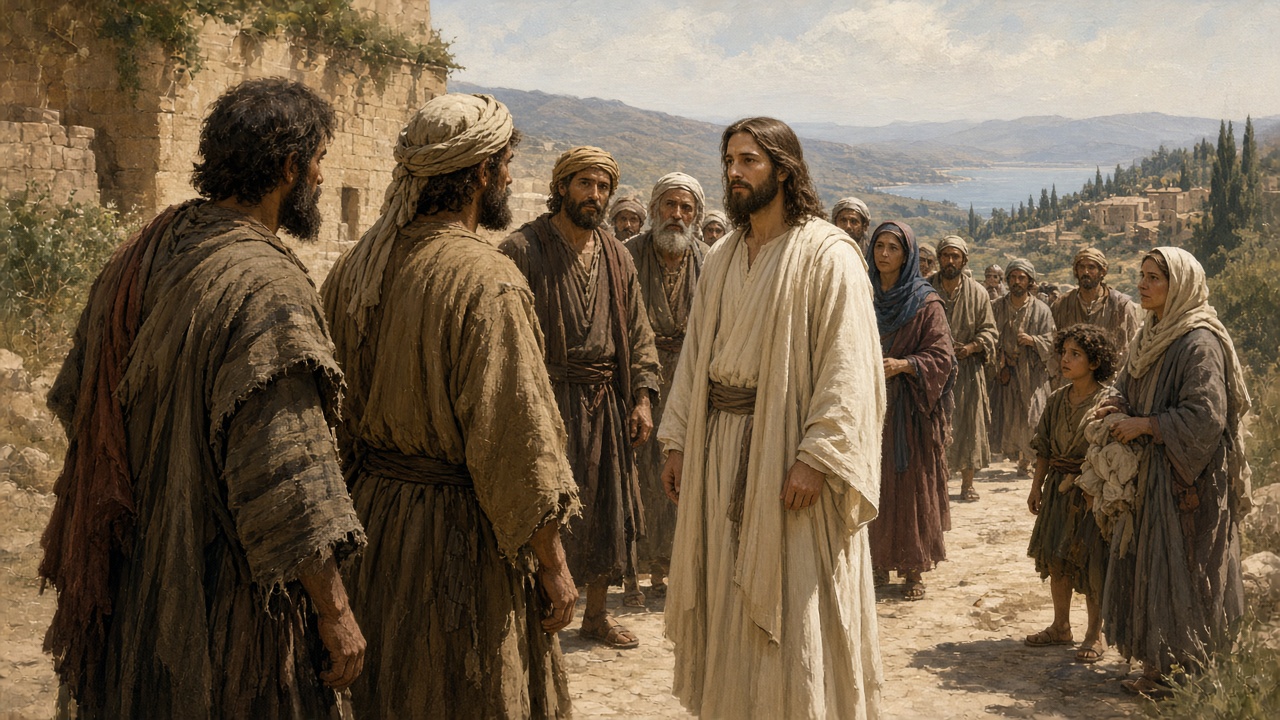
Did you know?
John's question and the cities that did not repent
- From prison, John sent his disciples to ask whether Jesus was the one who was to come. Jesus told the crowds that John was more than a prophet—the messenger sent ahead to prepare the way—and, if they were willing to accept it, the Elijah who was to come. A Bible dictionary calls John the forerunner and says his mission was already the subject of prophecy, citing Isaiah 40:3 and Malachi 3:1; it also introduces Elijah as the Elias of the New Testament.Sources: the Bible text itself · John the Baptist · Elijah
- Jesus then denounced Chorazin, Bethsaida, and Capernaum, where most of his miracles had been performed, because they did not repent. A dictionary identifies Chorazin with modern Kerazeh, about two and a half miles up the Wady Kerazeh from Capernaum, and says that Capernaum, absent from the Old Testament, became Jesus' own city after he left Nazareth. It places Bethsaida on the east side of the lake, two miles up the Jordan in Gaulonitis, enlarged by Philip the tetrarch and named Julias after the emperor's daughter, though some have supposed there was only one Bethsaida, near where the Jordan enters the lake.Sources: the Bible text itself · Chorazin · Capernaum · Bethsaida
- He set those cities against Tyre and Sidon, which he said would have repented long ago in sackcloth and ashes, and against Sodom, which he said would have remained to this day. Sidon, on the Mediterranean coast about twenty-five miles north of Tyre, was the oldest Phoenician city there and the mother city of Tyre. A dictionary says the commerce of the whole world was gathered into Tyre's warehouses, and that Sodom, in the vale of Siddim, was destroyed by fire from heaven so completely that no trace of it has been found.Sources: the Bible text itself · Sidon · Tyre · Sodom
Notes written with AI assistance from open sources (Theographic Bible Metadata, CC BY-SA 4.0; Easton’s Bible Dictionary, public domain) and reviewed before publishing.
Places in this chapter
- Galilee · 32.760, 35.527 · verse 1
- Sidon · Today: Sandikli archaeological site in Sidon · 33.561, 35.372 · verses 21, 22
- Tyre · 33.271, 35.196 · verses 21, 22
Only places identified with high confidence are shown (90% or more according to the scholarly sources compiled by OpenBible). Period map: DARE (Digital Atlas of the Roman Empire), CC BY 4.0; modern map: © OpenStreetMap contributors; places: OpenBible.info (CC BY 4.0).
Credits and license for this translation
KAKAƗYARI NIUKIEYA XAPAYARI WIXARIKAKƗ
The Holy Bible in the in Huichol language of Mexico, 2020 edition
La Santa Biblia en lengua huichol de México, edición 2020
copyright © 2020 Wycliffe Bible Translators, Inc.
Language: Huichol
Translation by: Wycliffe Bible Translators, Inc.
Huichol [hch], Mexico
Copyright Information
© 1988-2020, Wycliffe Bible Translators, Inc.
This translation text is made available to you under the
terms of the Creative Commons License: Attribution-Noncommercial-No Derivative Works.
( http://creativecommons.org/licenses/by-nc-nd/3.0/ )
In addition, you have permission to port the text to different file formats, as long as you
do not change any of the text or punctuation of the Bible.
You may share, copy, distribute, transmit, and extract portions
or quotations from this work, provided that you include the above copyright
information:
You must give Attribution to the work.
You do not sell this work for a profit.
You do not make any derivative works that change any of the actual words or punctuation of the Scriptures.
Permissions beyond the scope of this license may be
available if you contact
us with your request.
The Holy Bible
in Huichol
© 1988-2020, Wycliffe Bible Translators, Inc.
This translation is made available to you under the terms of the
Creative Commons Attribution-Noncommercial-No Derivatives license 4.0.
You may share and redistribute this Bible translation or extracts from it in any format, provided that:
You include the above copyright and source information.
You do not sell this work for a profit.
You do not change any of the words or punctuation of the Scriptures.
Pictures included with Scriptures and other documents on this site are licensed just for use with those Scriptures and documents.
For other uses, please contact the respective copyright owners.
2025-09-03
Source: http://ebible.org/hch/ · eBible.org