Malachi 1
KAKAƗYARI NIUKIEYA XAPAYARI WIXARIKAKƗ · Tap a verse to see its cross-references.
About this book
About Malachi
- Easton's Bible Dictionary (1897) presents Malachi, a name meaning "messenger" or "angel," as the last of the minor prophets and the writer of the last book of the Old Testament canon. Nothing is known of him beyond what is contained in his book of prophecies.Sources: Easton: Malachi · Malachi
- Some have supposed that the name is simply a title for a messenger of Jehovah, not a proper name. Easton's Bible Dictionary (1897) concludes, however, that there is reason to regard Malachi as the prophet's ordinary name.Sources: Easton: Malachi · Malachi
- Easton's Bible Dictionary (1897) dates the prophecies to about 420 B.C., after Nehemiah's second return from Persia, or possibly before that return. Because Ezra does not mention him and he does not mention the restoration of the temple, the dictionary infers that he prophesied after Haggai and Zechariah.Sources: Easton: Malachi
- Easton's Bible Dictionary (1897) treats Malachi as a contemporary of Nehemiah, comparing Malachi 2:8 with Nehemiah 13:15 and Malachi 2:10-16 with Nehemiah 13:23. It also notes that the temple services were still in existence, citing Malachi 1:10, 3:1 and 3:10.Sources: Easton: Malachi
Notes written with AI assistance from open sources (Theographic Bible Metadata, CC BY-SA 4.0; Easton’s Bible Dictionary, public domain) and reviewed before publishing.
1'Ikɨ niuki kemɨtiyɨni niukiyari kanihɨkɨtɨni Yawé niukieya, Marakiyaxi kemɨtiutaxatɨa 'ixaheritsixi mɨpaɨ mɨtiwataxatɨanikɨ.
Kakaɨyari kemɨtiwanaki'erie yuteɨterima
2Yawé mɨpaɨ kanaineni: «Ne nekanixenaki'erieka».
«Xemeta mɨpaɨ xeputiyuane: “¿Kehepaɨ petatinaki'erie?”
»'Etsahu kanihɨkɨtɨkaitɨni Kakuwu matsikaya. Mɨyatɨtɨ Kakuwu pɨta nekaniutanaki'erieni, 3matsi 'Etsahu nekaniuti'uxiwe'erieni meta hɨritsie manuyeikakai makumawe nekanayeitɨani, hikɨ kwieya yeutari memayu'eririya nekaniwayetuirieni».
4'Erumi mɨpaɨ kaniutaineni: «Tsepanetɨ temuka'unarie, tawarita mana tekanitsutɨakuni tetakiitɨatɨwetɨ». Matsi Yawé Naimekɨmɨtɨrɨkaɨye mɨpaɨ kanaineni: «Xeme tawari yukiekari xɨka xe'anukuketɨani ne tawarita nekanika'unamɨkɨ. Xekwieyari 'axamɨ'itɨarie pɨtitewaka, teɨteri Yawé yuheyemekɨ mɨwaheka. 5Xeme hekɨakamekɨ xekaninenierikuni, mɨpaɨ xekanitiyuakuni: “Yawé waɨkawamekɨ mariwame payuyeitɨa 'Ixaheri kwieyari kemɨreu'atɨka matsi humapaitɨ”.
Mawari 'aixɨa mɨka'anenekai
6»Yawé Naimekɨmɨtɨrɨkaɨye, mɨpaɨ katiniwarahɨaweni mawari wewiwamete: Nunutsi yupaapa kaneu'enieka meta ti'uximayatame yukutsiyari kaneu'enieka. Merikɨte ne xɨka nexe'ukiyaritɨni, ¿peru titayari yu'ukiyari hepaɨ xekanetexeiya? Merikɨte xɨka ne xekutsiyari nehɨkɨtɨni, ¿peru titayari xekutsiyari hepaɨ xekanetexeiya? Xeme tixaɨtɨ nekatihɨkɨtɨme xepɨnetsi'ayeitɨa.
»Meta 'akuxi mɨpaɨ xete'utiyuane: “¿Kepauka kuta tixaɨtɨ pekatihɨkɨtɨme tepɨmatsihayeitɨa?”
7»Tamɨ xeme nemawari taiyametsie 'ikwai mɨka'itiya xepɨte'atɨwa.
»Meta 'akuxi mɨpaɨ xete'u'iwawa: “¿Kepauka mawari ka'itiyakame tepɨ'atɨa?”
»Xeme mɨpaɨ xemutiyuanekɨ kename Yawé mexaya tixaɨtɨ katihɨkɨ. 8Xeme tewaxi me'akɨkɨpeme xekaniwa'atɨwani mawari memayanikɨ, mɨpaɨ xepɨteku'eriwa kename mɨpaɨ 'axaka'ane, xepɨwamawa memɨ'ɨkatutuni meta memɨtekukuye, xeme mɨpaɨ xepɨteku'eriwa kename mɨpaɨ 'axaka'ane. ¿Tsiparatsɨ yukuwexinaruri mɨpaɨ 'aneme 'imikieri xekeneyetuiri? ¿Kamɨtsɨ tiyukatemawieni xekɨmana? ¿Kamɨtsɨ xenaki'erietɨ rayani? —mɨpaɨ kanaineni Yawé Naimekɨmɨtɨrɨkaɨye—.
9»Hikɨri xekeneutawawiri Kakaɨyari mɨtatsitinenimayatakɨ. ¿Kamɨtsɨ mɨkɨ mawari mɨyamɨ'anenekɨ xetanaki'erienike xete'erie? —mɨpaɨ kanaineni Yawé Naimekɨmɨtɨrɨkaɨye—. 10Yanepɨra'eriwakaku xewitɨ xeme netukita mɨreunanikɨ, yakɨ xeikɨa xemɨka'ikutaiyanikɨ tai nemawari taiyametsie mieme. Nepɨkayutemawie tɨma xehetsiemieme, meta xemawari xeime tɨma nepɨkatanaki'erieni —Yawé Naimekɨmɨtɨrɨkaɨye mɨpaɨ kanaineni—. 11Karikɨ, nuiwarite watsata nekanayexeiyarieka, tau 'amɨranatineni 'atsita kepauka manukayune. Naitsarie 'ɨkwa witsimu'ɨa kanitaiyarieka meta mawari hɨkɨatɨ kaniwewiyaka nehetsiemieme, ne nemɨmariwekɨ nuiwarite watsata —mɨpaɨ kanaineni Yawé Naimekɨmɨtɨrɨkaɨye—. 12Peru xeme nekapatsiekame xepɨnetsi'ayeitɨwa kepauka mɨpaɨ xemɨtiyuane kename nemexa ka'itiya meta kename ne'ikwai 'axa'anene. 13Meta mɨpaɨ xeputiyuane: “Tepu'u'uxeri”. Meta xepɨnetsi'uxie —mɨpaɨ kanaineni Yawé Naimekɨmɨtɨrɨkaɨye—. ¿Kamɨtsɨ xeme newatanaki'erienike xete'erie tewaxi 'inawari, memɨ'ɨkatetutuni meta memɨtekukuye xemɨnetsi'atɨiriwa mawari memayanikɨ? —mɨpaɨ kanaineni Yawé—.
14»'Axake'itɨarieka 'iya mɨtiyukwamana, xeime muxa 'uki 'aixɨa mɨ'ane hexeiyatɨ, xɨka ya'utayɨni kename 'iyetuani Yawé hetsɨa, 'ariketa mɨwitekie pɨta xɨka yetuani. Karikɨ ne ti'aitame mɨmariwe nekanihɨkɨtɨni, meta yunaime nuiwarite wahetsɨa nekanayexeiyarieka —Yawé Naimekɨmɨtɨrɨkaɨye mɨpaɨ kanaineni—.
Did you know?
Honoring God and Defective Offerings
- The name Malachi means messenger or angel. While some have suggested it was a title rather than a proper name, scholars and traditions widely treat it as the prophet's personal name, placing his ministry during the period of Nehemiah, after Haggai and Zechariah.Sources: Malachi
- The opening dispute recalls the twin brothers Jacob and Esau, the ancestors of Israel and Edom. The text contrasts God's covenant love for Israel with the judgment and desolation coming upon the mountainous region of Edom.Sources: Esau (Edom) · Jacob (Israel) · Edom · the Bible text itself
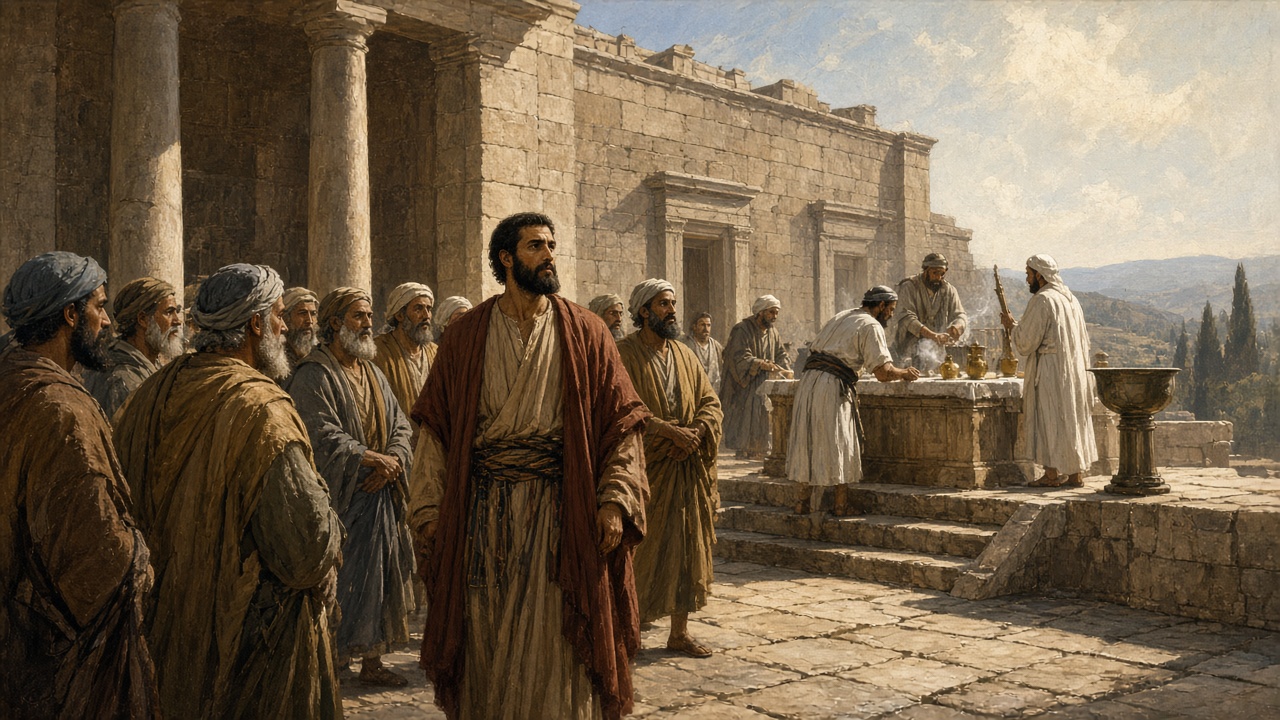
- The priests are rebuked for offering blind, lame, and diseased animals on the altar rather than unblemished livestock. Malachi exposes their disrespect by asking whether a civil governor would accept such inferior gifts.Sources: the Bible text itself
Notes written with AI assistance from open sources (Theographic Bible Metadata, CC BY-SA 4.0; Easton’s Bible Dictionary, public domain) and reviewed before publishing.
Places in this chapter
- Edom · 30.746, 35.604 · verse 4
Only places identified with high confidence are shown (90% or more according to the scholarly sources compiled by OpenBible). Period map: DARE (Digital Atlas of the Roman Empire), CC BY 4.0; modern map: © OpenStreetMap contributors; places: OpenBible.info (CC BY 4.0).
Credits and license for this translation
KAKAƗYARI NIUKIEYA XAPAYARI WIXARIKAKƗ
The Holy Bible in the in Huichol language of Mexico, 2020 edition
La Santa Biblia en lengua huichol de México, edición 2020
copyright © 2020 Wycliffe Bible Translators, Inc.
Language: Huichol
Translation by: Wycliffe Bible Translators, Inc.
Huichol [hch], Mexico
Copyright Information
© 1988-2020, Wycliffe Bible Translators, Inc.
This translation text is made available to you under the
terms of the Creative Commons License: Attribution-Noncommercial-No Derivative Works.
( http://creativecommons.org/licenses/by-nc-nd/3.0/ )
In addition, you have permission to port the text to different file formats, as long as you
do not change any of the text or punctuation of the Bible.
You may share, copy, distribute, transmit, and extract portions
or quotations from this work, provided that you include the above copyright
information:
You must give Attribution to the work.
You do not sell this work for a profit.
You do not make any derivative works that change any of the actual words or punctuation of the Scriptures.
Permissions beyond the scope of this license may be
available if you contact
us with your request.
The Holy Bible
in Huichol
© 1988-2020, Wycliffe Bible Translators, Inc.
This translation is made available to you under the terms of the
Creative Commons Attribution-Noncommercial-No Derivatives license 4.0.
You may share and redistribute this Bible translation or extracts from it in any format, provided that:
You include the above copyright and source information.
You do not sell this work for a profit.
You do not change any of the words or punctuation of the Scriptures.
Pictures included with Scriptures and other documents on this site are licensed just for use with those Scriptures and documents.
For other uses, please contact the respective copyright owners.
2025-09-03
Source: http://ebible.org/hch/ · eBible.org