Luke 10
KAKAƗYARI NIUKIEYA XAPAYARI WIXARIKAKƗ · Tap a verse to see its cross-references.
Kemɨtiwarutanɨ'a haika tewiyari heimana tamamata heimana huta
1Merikɨtsɨ 'arike Ti'aitame hipameta waruhɨritɨaka haika tewiyari heimana tamamata heimana huta meyupaɨmeme, yuhutatame kaniwareutanɨ'axɨani memanukuhaitɨtɨanikɨ naime kiekaritsie naime kiepa hakewa mɨkɨ meta'anikekai. 2Mɨpaɨ katiniwarutahɨawe: «'Itsanari pɨwaɨkawa, peru 'itsanamete mepɨkayumɨire. 'Ayumieme xekeneutawawiri 'itsanari kutsiyari, 'itsanamete mɨwatanɨ'anikɨ yu'itsanarita. 3Xekenehu xeme. Kamɨ kenemɨtixetanɨ'axɨani, muxatsi tɨrixi wahepaɨ xekaniyɨakakuni 'ɨrawetsixi watsata xe'u'uwatɨ. 4Tumini maname xepɨkahehuruwani, kɨtsiuri, kakai, huyeta xeime xepɨkawaɨritɨaka.
5»Hakewa xeme'axɨani kiita, mɨpaɨ meri xekeneutiyuaneni: “'Uwa kiekatari 'aixɨa xeketexeiyarieka”. 6Xɨka mana 'ukani kemɨ'ane mɨyuwaɨriya 'aixɨa mɨtixeiyarienikɨ, hetsiena tinaketɨ kanayeimɨkɨ xewaɨritsika, mexɨka mɨpaɨ 'anetɨ ka'ukani, xewaɨritsika kaninuamɨkɨ xehetsie. 7Mana mɨkɨ kiita xekeneyuhayewani xetekwatɨ xete'ietɨ tita memɨtexemikwani, ti'iwame hetsie katininakeni 'iwarikaya. Xepɨkayupatatɨweni hipame wakiita.
8»Hakewa kiekaritsie xeme'axɨani, hakewa memɨxetanaki'erieni, xeketenekwaka tita xemɨtemikieka. 9'Aixɨa meteheu'eriekame xekeniwarayeitɨa tekwikwikate mana miemete, mɨpaɨ xeketeniwakuxaxatɨwani: “Hikɨrixɨa kanaye'aniri, Kakaɨyari kanitsutɨani 'ena ti'aitatɨ”. 10Peru, kepauka xeime kiekaritsie xeheutahaxɨayu xemɨkahetanaki'eriwa, memayukuxexeɨriwatsie xe'axɨame mɨpaɨ xekeneutiyua: 11“'Atsita tumuanari xekiekaritsie mieme mɨtatsikwiema ta'ɨkatetsie, tepeikatsixɨani texehekɨatɨatɨ. Tsepanetɨ xemɨkatatsi'utanaki'eri, 'ipaɨ xeketenemaika, tukari maye'akɨ Kakaɨyari mitsutɨakɨ ti'aitatɨ”. 12'Ipaɨ nepɨxerahɨawe, tukari 'aye'ayu 'etsiwa xeikɨa mekatenikwinitɨariekuni Tsuruma kiekatari, mɨkɨ kiekari waɨkawa matsi mekatenikwinitɨariekuni».
13Mɨpaɨ kaniutayɨni: «Xɨa'ui, Kuratsini kiekatari. Xɨa'ui Wetsaira kiekatari. Tirutsie meta Tsirunitsie xɨka mariwemekɨ tiuyɨnike kemɨtiuyɨ xehetsɨa, mana kiekatari meripaitɨri mepɨte'uhayewake kememɨteyuriekai, waɨkawa yemekɨ mepɨyuheiweriekakeyu maixa me'anakatɨtɨ heiwerika 'inɨariyari, naxi meyukawiriwatɨ. 14Peru kepauka 'itsɨkame muwatahɨawe Tiru meta Tsiruni kiekatari 'etsiwa xeikɨa mekatenikwinitɨariekuni, xeme waɨkawa matsi xekatenikwinitɨariekuni. 15Xemeta Kaperunaumetari, ¿muyuawitsie paitɨ xe'anuwitɨkienike xeteyu'erie? Hawaikɨ, mɨkite wahetsɨa xepeukaxɨriyani pɨta.
16»Kemɨ'ane mɨxe'enie, ne pɨnetsi'enie, kemɨ'ane mɨxexani'erie, ne pɨnetsixani'erie, kemɨ'ane ne mɨnetsixani'erie, kemɨ'ane mɨnetsiheyenɨ'a pɨxani'erie».
17Merikɨtsɨ haika tewiyari heimana tamamata heimana huta kepauka memakunuaxɨa, mɨpaɨ mekaniutiyuani meyutemamawietɨ:
—Ti'aitame 'aku, 'atsita kakaɨyarixi 'axamemɨ'anene yamepɨtekahu ketemɨtewa'aitɨa 'ahetsɨa temɨmiemetekɨ.
18Mɨpaɨ katiniwarutahɨawe mɨkɨ:
—Netsɨ nekanixeiya Kauyumarie muyuawitsie 'anakahɨiyaku merɨkariya hepaɨ. 19Neuxei, heitserie nekanixe'upitɨani kuterixi terɨkaxi xemɨwatiketsinanikɨ, 'iya mɨtatsi'aye'unie tɨrɨkariyaya naime xema'iwakɨ heitserie nekanixe'upitɨani, tixaɨtɨ 'atsipɨkatixeyurieni. 20Mɨkɨkɨ xepɨkayutemamawieka, kakaɨyarixi yamemɨtekahukɨ kexemɨtewa'aitɨa xeikɨa, matsi xekeneyutemamawieka xemaka'utɨariekɨ taheima kexemɨtetetewa.
21Merikɨtsɨ 'ana Ketsutsi kaniyutemawiekaitɨni 'Iyari Mɨtiyupata yatipitɨakaku, mɨpaɨ kaniutayɨni: «Ne'ukiyari, taheima pemɨti'aita meta kwiepa, pamɨpariyutsi nepɨmatsipitɨa, pemɨtiuti'awietaxɨkɨ 'ikɨ naime memɨkaheitimanikɨ mɨkɨ memɨteyɨ'ɨkitɨawawe meta memɨtemaiwawe, tɨɨri pɨta wahetsiemieme matsiɨkɨme pemayeitɨakɨ. Huu, ne'ukiyari, pepɨ'awaɨriyakai mɨpaɨ pemɨtiyurienenikɨ.
22»Ne'ukiyari naime netiniyetuirieni. Xewitɨ 'atsipɨkatimate kemɨpaikɨ Nu'aya, 'ukiyarieya xeikɨa mɨpaɨ katinimaika, xewitɨ 'atsipɨkatimate kemɨpaikɨ 'ukiyarieya, nu'aya xeikɨa mɨpaɨ katinimaika, meta nu'aya xɨka yuwaɨriyani mixeitsitɨanikɨ xeime, mɨkɨta mɨpaɨ katinimaikamɨkɨ».
23Hikɨ ta'aurie 'aweka mɨpaɨ katiniwarutahɨawe teyɨ'ɨkitɨwamete yɨhɨkɨate metitekaku: «Mɨkɨ memunenierixɨ kexemɨte'unenierixɨ xeme, 'aixɨa mekani'itɨarieka mɨkɨ. 24Mɨpaɨ nepɨtixekɨhɨawe, yumɨiretɨ Kakaɨyari niukametemama meta te'aitamete, mepixeiyakukai tita xemɨte'uxei xeme, peru mepɨka'ixei, mepi'eniekukai tita xemɨte'u'eni, peru mepɨka'i'eni».
Tsamariyatanaka 'aixɨa mɨtiuka'iyari
25Merikɨtsɨ xewitɨ 'inɨarikɨ mɨti'ɨkitametɨkai kananukukeni 'i'inɨatamɨtɨ, mɨpaɨ kaniutayɨni:
—Ti'ɨkitame, ¿tita reuyewetse kenetiyurieni, nehetsie mɨtinakekɨ tukari mɨkaxɨwe?
26Ketsutsi mɨpaɨ rehɨawe:
—¿'Inɨari niukiyaritsie kere'uxa? ¿Kepetikuterɨwa?
27Mɨkɨ mɨpaɨ katinitahɨawe:
—“Pekaninaki'eriekamɨkɨ Ti'aitame mɨ'akakaɨyari naime 'a'iyarikɨ, naime kepemɨti'amatekɨ, naime 'atɨrɨkariyakɨ, meta naime 'a'eriwamekɨ”, metatsiere: “'ahepaɨ tewi kenenaki'erieka 'ekɨ kepemɨti'anaki'erie”.
28Ketsutsi mɨpaɨ katinita'eiya:
—Heitseriemekɨ peputa'a. Mɨpaɨ xɨka petiyurieneni, pekanayeyurikamɨkɨ.
29Peru mɨkɨ heitseriemekɨ yatikamiekame yuhekɨatamɨtɨ mɨpaɨ Ketsutsi katiniutahɨawe:
—¿Merikɨte, kepɨpaikɨ nehepaɨ tewi?
30Hikɨ 'ita'eiyaka, Ketsutsi mɨpaɨ kaniutayɨni:
—Heiwa tewi Kerutsareme heyeyaka Keriku neukamiekaitɨni, merikɨtsɨ tenawayamete mekanenukunake. Me'itikemaripieka me'ikuwaxɨaka mekanekɨne mɨximeme me'uku'eirieka. 31Merikɨte 'atsikatimaitɨ kemɨtiuyɨ mana neukamiekaitɨni mawari wewiwame mɨkɨ huyeta, 'ixeiyaka mana kaniuyeyani yatewa. 32Yaxeikɨata Rewi nuiwarieyatsie mieme xewitɨ tukita mɨtiparewiwametɨkai mana kaniuyeyani yatewa kaniuyeyani. 33Perutsɨ xewitɨ tsamariyatanakatɨtɨ mana 'uyemietɨ hetsɨana kaninuani, 'ixeiyaka kanitinenimayata. 34'Ahurawa 'uyaka 'ixuriki kaneiwerieni xuriya maneikakaitsie, hatseitikɨ winukɨ 'i'uayemaka, 'enuti'ikataka yupuxutsie metsuni paitɨ kani'atɨani, mana kani'ɨwiyakaitɨni. 35Hikɨ 'uxa'arieka xeitewiyari 'inɨariyari wati'ɨka kani'ɨitɨani metsuni kutsiyari mɨpaɨ tikɨhɨawetɨ: “Kene'ɨwiyani, hetsiena mieme xɨka tixaɨtɨ petinanaimɨkɨ, xɨka 'akuxi heuyeweka, nepɨtinetuani kepauka nemayeneni”. 36Hikɨ Ketsutsi mɨpaɨ mi'inɨatanekai katiniutahɨawe:
—¿Merikɨte kepetiku'eriwa, 'ikɨ yuhaikatɨ kemɨ'ane yuhepaɨ tewi hepaɨ pɨtixei, tenawayamete memenukunakixɨ mɨkɨ tewi?
37Mɨkɨ mɨpaɨ katinita'eiya:
—Kemɨ'ane mitinenimayataxɨ, mɨkɨ pɨhɨkɨtɨkai.
Hikɨ Ketsutsi mɨpaɨ katinitahɨawe:
—'Ekɨtari kenemie, hepaɨna ketineyurieneni.
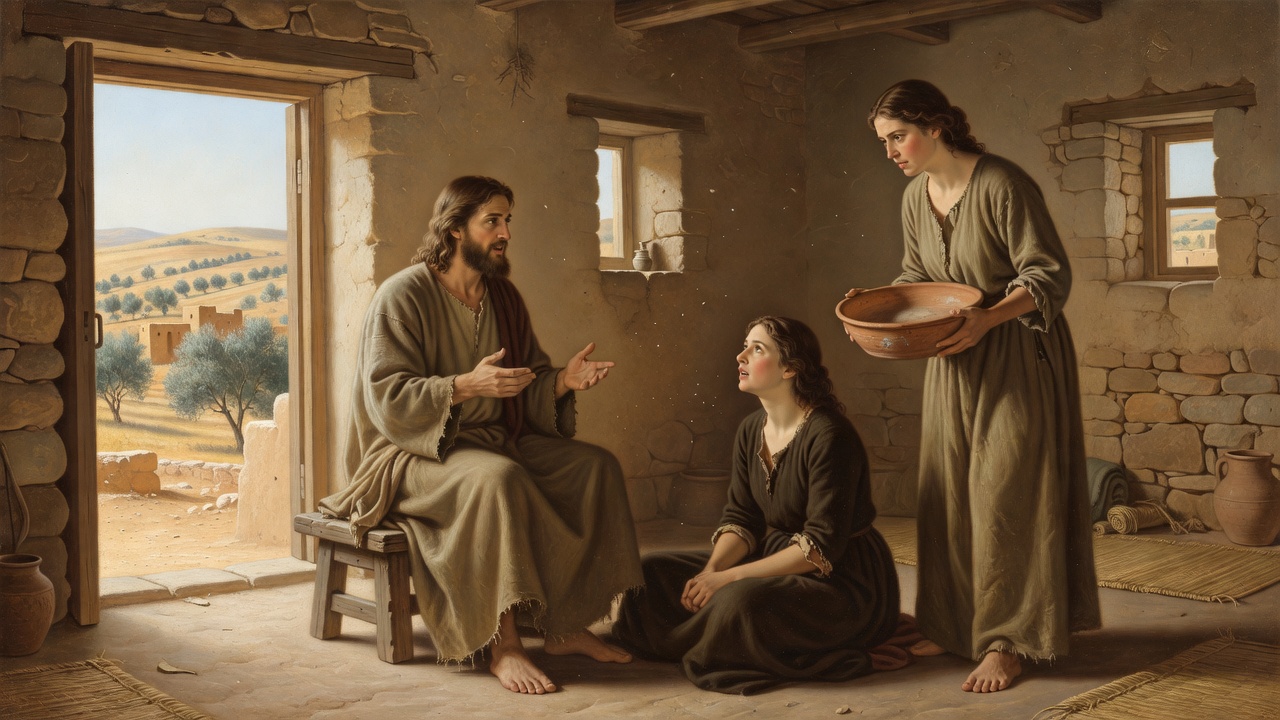
Ketsutsi kemɨreku'iwataxɨ Marita meta Mariya wahetsɨa
38Merikɨtsɨ mana mekaniu'uwakaitɨni, hikɨ Ketsutsi xeime kiekaritsie kaneutahani, mana 'uka Marita titewatɨ kanita'inieni yukiita. 39Yu'iwa 'ukatɨme pexeiyakai Mariya titewakame, mɨkɨ Ketsutsi hetɨa 'ukaitɨ kani'eniekaitɨni niukieya. 40Merikɨtsɨ Marita pɨyuxamuriekai waɨkawa tikumaɨwatɨ mɨtiwaminikɨ. Mana 'utakeka mɨpaɨ kaniutayɨni:
—Ti'aitame, ¿yapekara'eriwa ne'iwa nexaɨta mɨnetsi'uku'eirikɨ nemɨtixeminikɨ? Yaketineutahɨawi pɨnetsiparewieni.
41Ketsutsi mɨpaɨ katinitahɨawe:
—Neuxei Marita, tiwaɨkawamekɨ pepɨti'a'iyaritɨa pepɨ'amuina, 42tixewitɨ xeikɨa peuyewetse. Mariya kanenuyexeiya tita matsi 'aixɨa mɨti'ane, pɨkanawaiyarieni.
Did you know?
The mission, the towns, and Martha and Mary
- Easton's Bible Dictionary (1897) identifies Chorazin, named in this chapter's woes along with Bethsaida and Capernaum, with Kerazeh, about two and a half miles up the Wady Kerazeh from Capernaum. It says that after Jesus was expelled from Nazareth, Capernaum became his own city. The chapter compares those towns with Tyre and Sidon; the dictionary calls Sidon the first home of the Phoenicians on the coast of Palestine and the mother city of Tyre, about twenty-five miles north of Tyre.Sources: the Bible text itself · Chorazin · Capernaum · Sidon
- Easton's Bible Dictionary (1897) gives the name Martha as meaning bitterness, and says that she, her sister Mary, and their brother Lazarus lived at Bethany, with Martha probably the eldest. Because this passage calls the house hers, the dictionary notes that some have supposed she was a widow and that her brother and sister lodged with her. It describes her as anxious and bustling in caring for her guest, unlike Mary, who sat at Jesus' feet and listened.Sources: the Bible text itself · Martha · Mary (sister of Lazarus)
- The Lord appoints seventy-two others and sends them two by two ahead of him, and an event chronology dates that sending to AD 29. When they return, rejoicing that even the demons submit in his name, he says he saw Satan fall like lightning from heaven. Easton's Bible Dictionary (1897) explains the name Satan as adversary or accuser, and notes that the New Testament uses it interchangeably with the devil more than thirty times.Sources: the Bible text itself · 70 Sent Out · Satan
Notes written with AI assistance from open sources (Theographic Bible Metadata, CC BY-SA 4.0; Easton’s Bible Dictionary, public domain) and reviewed before publishing.
Places in this chapter
- Sidon · Today: Sandikli archaeological site in Sidon · 33.561, 35.372 · verses 13, 14
- Tyre · 33.271, 35.196 · verses 13, 14
- Jericho · Today: Tell el Alayiq · 31.852, 35.436 · verse 30
- Jerusalem · 31.777, 35.234 · verses 30, 38
Only places identified with high confidence are shown (90% or more according to the scholarly sources compiled by OpenBible). Period map: DARE (Digital Atlas of the Roman Empire), CC BY 4.0; modern map: © OpenStreetMap contributors; places: OpenBible.info (CC BY 4.0).
Credits and license for this translation
KAKAƗYARI NIUKIEYA XAPAYARI WIXARIKAKƗ
The Holy Bible in the in Huichol language of Mexico, 2020 edition
La Santa Biblia en lengua huichol de México, edición 2020
copyright © 2020 Wycliffe Bible Translators, Inc.
Language: Huichol
Translation by: Wycliffe Bible Translators, Inc.
Huichol [hch], Mexico
Copyright Information
© 1988-2020, Wycliffe Bible Translators, Inc.
This translation text is made available to you under the
terms of the Creative Commons License: Attribution-Noncommercial-No Derivative Works.
( http://creativecommons.org/licenses/by-nc-nd/3.0/ )
In addition, you have permission to port the text to different file formats, as long as you
do not change any of the text or punctuation of the Bible.
You may share, copy, distribute, transmit, and extract portions
or quotations from this work, provided that you include the above copyright
information:
You must give Attribution to the work.
You do not sell this work for a profit.
You do not make any derivative works that change any of the actual words or punctuation of the Scriptures.
Permissions beyond the scope of this license may be
available if you contact
us with your request.
The Holy Bible
in Huichol
© 1988-2020, Wycliffe Bible Translators, Inc.
This translation is made available to you under the terms of the
Creative Commons Attribution-Noncommercial-No Derivatives license 4.0.
You may share and redistribute this Bible translation or extracts from it in any format, provided that:
You include the above copyright and source information.
You do not sell this work for a profit.
You do not change any of the words or punctuation of the Scriptures.
Pictures included with Scriptures and other documents on this site are licensed just for use with those Scriptures and documents.
For other uses, please contact the respective copyright owners.
2025-09-03
Source: http://ebible.org/hch/ · eBible.org