Leviticus 17
KAKAƗYARI NIUKIEYA XAPAYARI WIXARIKAKƗ · Tap a verse to see its cross-references.
Kemɨra'imariwa xuriya mɨkwakakɨ
1Yawé Muitsexi katiniuta'aitɨani, 2'Aruni meta niwemama meta 'ixaheritsixi yunaime mɨpaɨ mɨtiwatahɨawekɨ: «'Ikɨ kanihɨkɨtɨni Yawé mɨtati'aitɨa:
3»Kepauka xewitɨ 'ixaheri tewiyari wakaxi yatɨni muxa meta tsipu, mɨtimawa mematiteitsie yatɨni 'ateewa paitɨ. 4Mɨkɨ hetsiena pɨrahɨiyani xuriya metayeurikɨ meta mɨkaheihakɨ 'ixuriki tukiyari mɨranutahakitɨretsie mumierienikɨ, muwa mixatɨanikɨ mawari Yawé hetsiemieme mayanikɨ tukieya hɨxie. 'Ayumieme mɨkɨ payeweiyarieni yuteɨterima watsata. 5'Ikɨ 'aitsika kanihɨkɨtɨni 'ixaheritsixi Yawé memɨ'atɨiriwanikɨ mawari yeuta memɨtiwewiwa. Mawari wewiwame hetsɨa mepi'atɨwani 'ixuriki tukiyari mɨranutahakitɨretsie, Yawé memɨyetuirienikɨ 'aixɨa memɨteyuxeiyani mawariyari mayanikɨ. 6Mawari wewiwame xuriya pɨtayeurieni mawari taiyame Yawé tipiinieyatsie, 'ixuriki tukiyarita mɨranutahakitɨretsie, meta wiyayari kanititaiyamɨkɨ witsimu'ɨa Yawé minake mɨhɨkɨkɨ. 7Hatsuakuri mawari mepɨkawaxatɨani yukakaɨyarixi memɨwarexeiya, tsipuri 'ukitsi wahepaɨ me'aneneme memɨwarutiwewi. 'Ikɨ 'aitsika yuheyamekɨ 'aixɨa mɨ'ane kanihɨkɨtɨni mɨkɨ wahetsimieme meta watɨɨriyama.
8»Kepauka xewitɨ 'Ixaheri tewiyari yatɨni 'ateewa kiekame xehamatɨa muka mawari taiyariyari mɨyetuani yatɨni mawari, 9xɨka kaheihana 'ixuriki tukiyarita mɨranutahakitɨritsie Yawé mɨxatɨanikɨ, mɨkɨ payeweiyarieni yuteɨterima watsata.
10»Kepauka xewitɨ 'ixaheritsixi yatɨni 'ateewa kiekame xehamatɨa muka xɨka naime tsepa tita mɨtixuriyaya tikwaka, ne nepɨyeha'ani hepaɨtsitana meta teɨterimama wahetsɨa nekaneyeweiyamɨkɨ. 11Yunaitɨ memɨte'ayeneniere xuriyakɨ mekanayeneniereni. Ne nekɨmana nepɨxeyetuirie mawari taiyametsie, xemɨxɨnarienikɨ yuxexuitɨ, mɨkɨ xuriyakɨ katiniyɨmɨkɨ xemɨxɨnarienikɨ. 12'Ayumieme mɨpaɨ nepɨtixekɨhɨawe: Xewitɨ xeme xuriya pɨkakwa'ani, meta 'ateewa kiekame pɨka'itikwani xehetsɨa 'ukaitɨ.
13»Xewitɨ 'ixaheritsixi yatɨni 'ateewa kiekame xehetsɨa 'ukaitɨ xɨka tixaɨtɨ remieni yeutanaka yatɨni weurai memitikwanikɨ memupitɨarie, mɨkɨ xuriyaya 'ayekuname kwiepa mɨtayeurieni penuteuku, 14yunaitɨ memɨte'ayeneniere xuriyakɨ mekanayeneniereni. 'Ayumieme yanepɨtixekuhɨawe: Memɨtexɨawe waxuriya xepɨkakwa'ani, yunaitɨ memɨte'ayaneniere xuriyakɨ mekanayeneniereni, kemɨ'ane mitikwani mɨkɨ payeweiyarieni yuteɨterima watsata.
15»Yunaitɨ 'ixaheritsixi yatɨni 'ateewa kiekame xɨka xewitɨ wai 'utikwani 'ɨrawe 'imieyu yanɨtsɨtɨni heititsanaxɨaku, mɨkɨ yu'ixuriki pɨti'ekwa meta hakɨ pɨti'ɨwa, ka'itiyatɨ puyuhayewa kepauka mɨkɨyɨretsieke 'anakeri 'itiyatɨ payani. 16Xɨkari yu'ixuriki ka'uti'ekwa meta xɨka ka'uti'ɨwa, mɨkɨ 'axamɨtiuyurikɨ tiuka'eniwatɨ payani».
Did you know?
Sacrificial Slaughter and the Sacredness of Blood
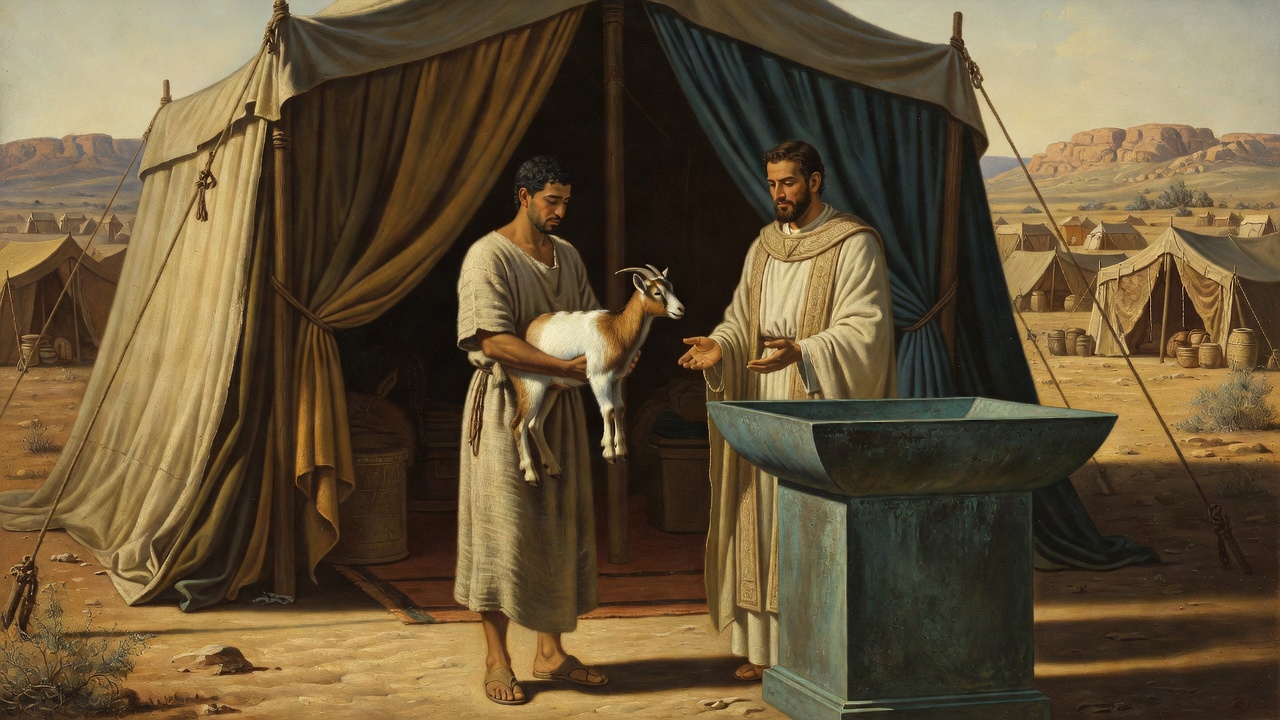
- Leviticus mandates that domestic animals such as oxen, lambs, and goats be brought directly to the entrance of the Tent of Meeting rather than slaughtered in open fields. This rule ensured sacrifices were presented exclusively as peace offerings to the LORD and halted illicit sacrifices to goat demons.Sources: the Bible text itself
- Both native Israelites and resident foreigners were strictly prohibited from eating blood, on penalty of being cut off from the community. The text grounds this law in the theological principle that the life of the flesh is in the blood, which God appointed specifically for making atonement upon the altar.Sources: the Bible text itself
- When Israelites or resident aliens hunted wild animals or birds that were clean for food, they were commanded to drain the blood upon the ground and cover it with dirt. This instruction reinforced that life belongs to God and preserved the sanctity of blood outside the sacrificial sanctuary.Sources: the Bible text itself
Notes written with AI assistance from open sources (Theographic Bible Metadata, CC BY-SA 4.0; Easton’s Bible Dictionary, public domain) and reviewed before publishing.
Credits and license for this translation
KAKAƗYARI NIUKIEYA XAPAYARI WIXARIKAKƗ
The Holy Bible in the in Huichol language of Mexico, 2020 edition
La Santa Biblia en lengua huichol de México, edición 2020
copyright © 2020 Wycliffe Bible Translators, Inc.
Language: Huichol
Translation by: Wycliffe Bible Translators, Inc.
Huichol [hch], Mexico
Copyright Information
© 1988-2020, Wycliffe Bible Translators, Inc.
This translation text is made available to you under the
terms of the Creative Commons License: Attribution-Noncommercial-No Derivative Works.
( http://creativecommons.org/licenses/by-nc-nd/3.0/ )
In addition, you have permission to port the text to different file formats, as long as you
do not change any of the text or punctuation of the Bible.
You may share, copy, distribute, transmit, and extract portions
or quotations from this work, provided that you include the above copyright
information:
You must give Attribution to the work.
You do not sell this work for a profit.
You do not make any derivative works that change any of the actual words or punctuation of the Scriptures.
Permissions beyond the scope of this license may be
available if you contact
us with your request.
The Holy Bible
in Huichol
© 1988-2020, Wycliffe Bible Translators, Inc.
This translation is made available to you under the terms of the
Creative Commons Attribution-Noncommercial-No Derivatives license 4.0.
You may share and redistribute this Bible translation or extracts from it in any format, provided that:
You include the above copyright and source information.
You do not sell this work for a profit.
You do not change any of the words or punctuation of the Scriptures.
Pictures included with Scriptures and other documents on this site are licensed just for use with those Scriptures and documents.
For other uses, please contact the respective copyright owners.
2025-09-03
Source: http://ebible.org/hch/ · eBible.org