Joel 2
KAKAƗYARI NIUKIEYA XAPAYARI WIXARIKAKƗ · Tap a verse to see its cross-references.
'Utsikari kuyaxiyari
1Kerutsaremetsie kuxineta xekeneutahɨtsiwani,
nehɨri mɨpatsie hetsie xekeneutihiwani mɨ'enieriekakɨ.
Yunaitɨ teɨteri kwiepa xemɨtama xekenemamaka,
'aritsɨari Yawé tukarieya 'ukanamieni
kaniyuritɨni kanehuraniri.
2Yɨriya tukariyari kanaye'amɨkɨ,
hai tukariyari mɨyɨyɨxawi kanaye'amɨkɨ.
Hekɨariya kemɨtiyuhekɨa kahekɨarirɨmetɨ kwiepa,
mɨpaɨ katinimakatsiukɨni kiekari mɨmariwe mɨtɨrɨkaɨye,
meripaitɨ hatsuaku kemɨkatiɨyɨ,
nuiwarite 'umemahu wahetsiemiemeri hatsuaku yapɨkatiyɨni.
3Mexiyukukuyamete meka'aye'axɨawawe 'iya tai kaniwatixɨtsitɨwani,
kepauka mɨpaɨ mɨraye'ani tai pɨtititaiya naime.
Mexixi kahaye'awe kiekari 'Ereni haraweriyari witsimɨraku'ane hepaɨ pɨtiyuxexeiya,
kepauka mɨpaɨ mɨtiyɨni yeuta makumawe payani.
Tɨrɨkariyaya hepaɨtsita tixaɨtɨ pɨkatitawikweni.
4Kawayutsixi wahepaɨ mepɨteyuxexeiya,
kawayutsixi meha'atɨ meheuyukwiyuka wahepaɨ mepɨte'unanautsa.
5Kepauka hɨri 'emutɨtɨtsie memeutatsukwaka,
kaxetatsixi yukukuyamete wayuarika hepaɨ pɨtiyu'eniɨriɨkɨ,
xatsi taipa taiyarietɨ mutatsipɨarɨka hepaɨ.
Kuyaxi memɨtɨrɨkawi 'aixɨa memɨteheku'u meyutakwinike mɨpaɨ mepɨteyuhekɨa.
6Teɨteri marikakɨ meputiyɨyɨaka,
yunaitɨ mepunututuixietɨka.
7Mepaye'axɨa memeuyutakwiwawe wahepaɨ,
wapaitɨ mepeutimake kuyaxi wahepaɨ.
Yuxexuitɨ mepuhu
'aixɨa meteheuku'utɨ kememɨteyu'uitɨakai.
8Yuhetsie mepɨka'uyexɨrɨwe,
heitserie mepuhu yuxexuitɨ.
'Ɨrɨtsata mekaniuhuni
meka'anuyutaxɨrɨwatɨ.
9Kiekaritsie mekanitahakeni,
kuraru heima mepeukamake,
kiitetsie mepɨtimake,
'etsimeuyeyeutsie mepeuhake tenawayamete wahepaɨ.
10'Ikɨ kuyaxi wahɨxie kwie naitɨ puyuane
meta muyuawi pukuyuane,
tau meta metseri pɨyɨrixɨani,
meta xurawetsixi mepɨtehayewa mehekɨariwietɨ.
11Yawé niukieya kanekutɨrarɨkani
yukuyaxima wahɨxie,
mepɨkayu'inɨatsinɨa kuyaximama
mepɨtɨrɨkawi niukieyatsie yamemɨtekahu.
Yawé tukarieya waɨkawa kanimariweni kanimakaxiwani.
Xewitɨ pɨkayɨwe mɨtinewirienikɨ.
Kememɨte'uta'imaiyarie memɨtehayewakɨ 'axameteyurietɨ
12Yawé mɨpaɨ kanaineni: «Merikɨ,
yunaitɨ yu'iyarikɨ nehetsɨa xekeneu'axɨa,
xe'utitsuatɨ, xeyuheiwerietɨ xekatekwatɨ».
13Yu'iyaritsie xekeneuyukatsanani
yukamixatsie pɨkatixaɨ.
Yawé yukakaɨyari hetsɨa xekeneu'axɨa,
mɨkɨ pɨtiuyukanenimaya pɨkahayu'eriya,
naki'eriyakɨ pɨhɨne kwitɨwa pɨka'uyeha'arɨwe,
pɨyuwaɨriya naime mɨreuyehɨwirienikɨ meta pɨkarakwinitɨani.
14Heiwatɨ Kakaɨyari 'aixɨa mɨtinixe'uxei kemɨtiku'eriwakai mɨnipataxɨ,
'aixɨa mɨti'ane mɨtatiniuhayewi.
'Imikieri hatsite mɨkɨ meta kaxie winuyari mɨtiyeuriwa
Yawé xekakaɨyari hetsɨa katinimiemetɨni.
15Kerutsaremetsie kuxineta xekeneutahɨtsiwani,
xeketeniwarukaxatɨa memɨyuhakienikɨ,
xekeniwaruta'ini yunaime 'axeikɨa.
16Kiekatari xekeniwarukuxeɨri,
xekenepatsieka xeyuxeɨrietɨ
'ukirawetsixi mana kiekatari xekeniwarukuxeɨri,
'etsimemupepe meta xekeniwarukuxeɨri
meta tɨɨri memɨtsitsewetɨka.
Kewayeyani hekwamekɨ mutineɨkixɨ,
meta 'uka mɨhekwawikie kewayeyani yukiita.
17Xekeneutitsuanani te'uximayatamete mawari wewiwamete Yawé hetsɨa miemete,
tuki mɨranutahakitɨre hɨxie meta mawari taiyame hɨxie xeti'utɨ,
mɨpaɨ xe'utiyuatɨ: «Yawé 'ateɨterima ketiniwareuyehɨwirieka.
Pepɨkatatsiyetuayani 'axatemɨka'itɨarienikɨ
kapa nuiwarite tahetsiemieme 'axame'utiyuanikɨ.
Hipatɨ mɨpaɨ memɨka'utiyuanenikɨ teɨteri:
“¿Hakewa xekakaɨyari peyeika?”»
Yawé kemɨtiwaruta'ei
18Merikɨtsɨ Yawé matsiɨkɨme kanayeitɨani kemɨtinaki'eriekai yukwie hetsiemieme,
katiniwareuyehɨwirieni yuteɨterima.
19Yawé mɨpaɨ katiniwaruta'eiya:
«Neuxei nepɨtixeyetuirieni, hatsite, kaxie winuyari mɨhekwa meta hatseiti,
waɨkawa nepɨxetihuxaitɨani 'aixɨa xeteyukuhɨaweme nepɨxehayewa.
Nepɨkaxeyetuani tawari
hipame kiekarite wahetsɨa xemɨnanaimarienikɨ.
20»Nepɨkawapitɨani 'utsikari xeyeta 'amemayehu,
kwie makumawetsie meta makuwakitsie nepɨwareukɨnɨ'ani:
Haramara Mɨmɨkitsie nepɨwakayunitɨani wakuyaxi memanuyetei,
wa'utɨmata memuhu Haramara Meritexaniyatsie.
Wakaxari pɨtipɨne
waɨkawa pɨtiukuri'ɨaka».
Yawé waɨkawa mariwemekɨ katiniyurimɨkɨ.
21Nekiekari pepɨkamaka,
matsi kene'atemawieka kene'uxipieka,
matsi Yawé waɨkawa mariweme katiniyuriemɨkɨ.
22Tewaxi xepɨkamamaka 'ɨtsita xemu'uwa,
'ɨxa mumawekaitsie pɨtixuawere naitɨ pɨtiyɨra,
'iteɨrite yutakariri mɨtikwaiwa pɨtixuawitɨani,
piní meta kaxie waɨkawa pɨtixuawere.
23Xekeneyutemamawieka Tsiyuni tɨɨriyamama,
temawierika xekenexeiyani Yawé yukakaɨyari hetsiemieme,
kepauka maye'ani wiyeri pukuyuitɨani tukarieyatsie.
Wiyeri pɨxehanɨ'airieni
xekaka'ewawekaku meta xeka'itsanayu,
meripaitɨ manukatɨatsie kemɨtiyurienekai hepaɨ.
24Mɨrati'uritɨretsie tɨriku waɨkawa pɨtixuawere,
kaxie mahinarietsie winu mɨhekwa waɨkawa puxuaweni meta hatseiti.
25«Ne nepɨtixekɨhɨwirieni
kepaɨmexɨa wiyari xemɨteheuyehɨa naime,
'iya kuyaxi memɨyumɨire tekɨmemete wahekɨ
kenemɨtiwarenɨ'a xehetsɨa:
'amemɨnene, meta yakɨmemɨnene,
'etsimemɨpepe meta kwimemɨpepe.
26Xeme waɨkawa xepɨte'utikwa'ani, kexemɨteheukwaikɨ,
Yawé yukakaɨyari hetsiemieme 'aixɨa xeputiyuaneni,
xehetsiemieme 'aixɨa kemɨtiyurieni.
Tawariri hatsuaku neteɨterima nepɨkawatewiyatsitɨani.
27Merikɨte 'ana mɨpaɨ mekatenetimaikuni kename ne 'ixaheritsixi wahamatɨa ne'uyeika,
kename ne Yawé xekakaɨyari nehɨkɨ,
xewitɨ tawari 'apɨka'uyeika kakaɨyaritɨtɨ ne'aurie.
Tawari hatsuaku neteɨterima mepɨkatewiyatsitɨarieni.
Yawé tukarieya
28»'Arike mɨpaɨ tiyɨyu,
ne'iyari nepɨtatuani yunaime teɨteri wahetsie.
Xeme xeniwema 'ukitsi 'ukari mepɨtetaxata,
'ukirawetsixi mepɨteheinɨni
temarita mepɨtexeiyatsitɨarieni.
29Mɨkɨ tukaritsie ne'iyari nepɨtatuani
'ukitsi meta 'ukari te'uximayatamete wahetsie.
30Mɨyuawitsie meta kwiepa 'inɨari nepɨtiyurieni:
xuriya, tai, meta kɨtsi 'e'utɨtɨme.
31Tau yɨwitɨ kanayeimɨkɨ
metserita xuriyapaɨ 'anetɨ kanayeimɨkɨ
mexi Yawé tukarieya kahaye'aweni,
kepauka mariwemekɨ mɨtiyurienitsie.
32Yunaitɨ Yawé memahɨawe kemɨtimariwe
yutukari mekanitawikweitsitɨakuni,
hɨritsie xeikɨa Tsiyuni meta Kerutsaremetsie,
pɨyɨweni muyuta'una,
Yawé kemɨtiwarutahuawekai.
Memayeneniere wahamatɨa
xeikɨa mepu'uwani Yawé mɨwaruta'ini.
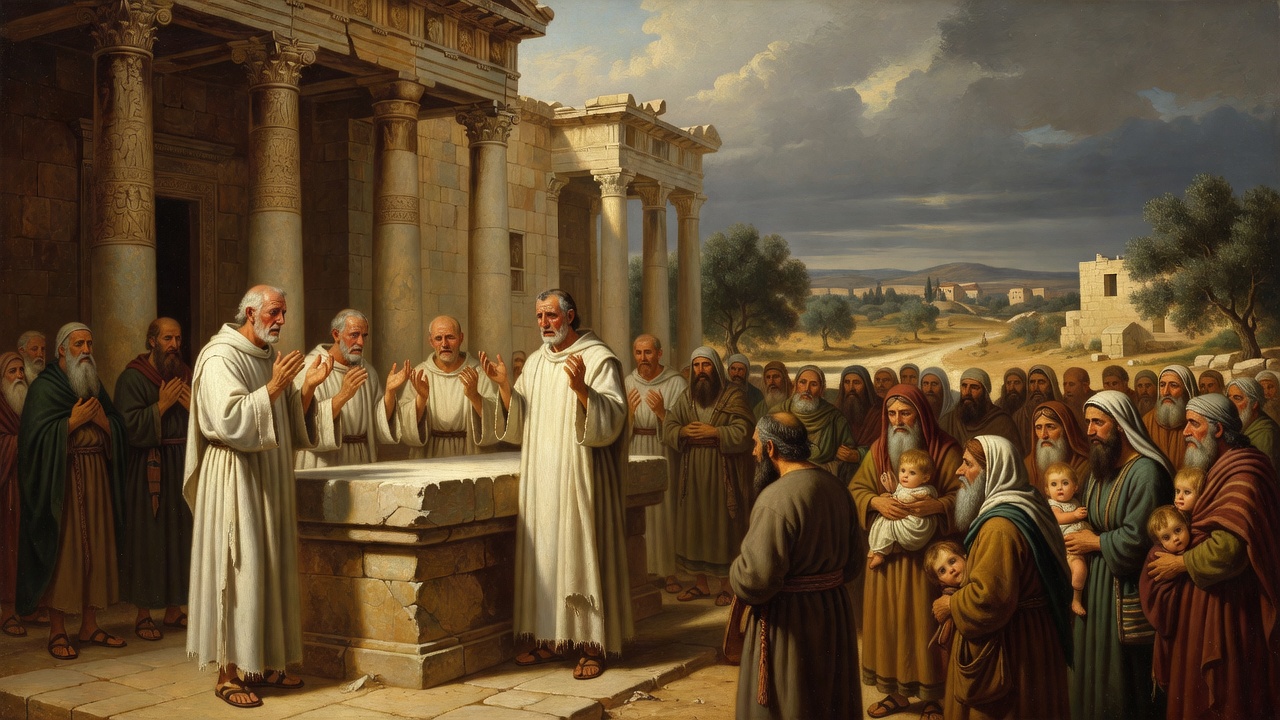
Did you know?
The Day of the LORD and Call to Repentance
- Joel portrays the catastrophic devastation of the advancing swarm by comparing the fertile land before them to the Garden of Eden, while behind them remains only a barren desert wasteland.Sources: the Bible text itself · Eden
- While tearing clothing was a standard outward expression of grief and mourning in the ancient Near East, the prophet urges the community to rend their hearts instead of their garments, emphasizing genuine inward repentance.Sources: the Bible text itself
- Mount Zion, the hill in Jerusalem where King David established his citadel, serves both as the vantage point where the alarm horn is blown and as the promised location of deliverance for the remnant.Sources: the Bible text itself · Mount Zion · Jerusalem
Notes written with AI assistance from open sources (Theographic Bible Metadata, CC BY-SA 4.0; Easton’s Bible Dictionary, public domain) and reviewed before publishing.
Places in this chapter
- Zion · Today: Jerusalem · 31.777, 35.234 · verses 1, 15, 23
- Great Sea · Today: Mediterranean Sea · 31.805, 34.170 · verse 20
- Salt Sea · Today: Dead Sea · 31.500, 35.500 · verse 20
- Jerusalem · 31.777, 35.234 · verse 32
- Mount Zion · 31.772, 35.229 · verse 32
Only places identified with high confidence are shown (90% or more according to the scholarly sources compiled by OpenBible). Period map: DARE (Digital Atlas of the Roman Empire), CC BY 4.0; modern map: © OpenStreetMap contributors; places: OpenBible.info (CC BY 4.0).
Credits and license for this translation
KAKAƗYARI NIUKIEYA XAPAYARI WIXARIKAKƗ
The Holy Bible in the in Huichol language of Mexico, 2020 edition
La Santa Biblia en lengua huichol de México, edición 2020
copyright © 2020 Wycliffe Bible Translators, Inc.
Language: Huichol
Translation by: Wycliffe Bible Translators, Inc.
Huichol [hch], Mexico
Copyright Information
© 1988-2020, Wycliffe Bible Translators, Inc.
This translation text is made available to you under the
terms of the Creative Commons License: Attribution-Noncommercial-No Derivative Works.
( http://creativecommons.org/licenses/by-nc-nd/3.0/ )
In addition, you have permission to port the text to different file formats, as long as you
do not change any of the text or punctuation of the Bible.
You may share, copy, distribute, transmit, and extract portions
or quotations from this work, provided that you include the above copyright
information:
You must give Attribution to the work.
You do not sell this work for a profit.
You do not make any derivative works that change any of the actual words or punctuation of the Scriptures.
Permissions beyond the scope of this license may be
available if you contact
us with your request.
The Holy Bible
in Huichol
© 1988-2020, Wycliffe Bible Translators, Inc.
This translation is made available to you under the terms of the
Creative Commons Attribution-Noncommercial-No Derivatives license 4.0.
You may share and redistribute this Bible translation or extracts from it in any format, provided that:
You include the above copyright and source information.
You do not sell this work for a profit.
You do not change any of the words or punctuation of the Scriptures.
Pictures included with Scriptures and other documents on this site are licensed just for use with those Scriptures and documents.
For other uses, please contact the respective copyright owners.
2025-09-03
Source: http://ebible.org/hch/ · eBible.org