Job 29
KAKAƗYARI NIUKIEYA XAPAYARI WIXARIKAKƗ · Tap a verse to see its cross-references.
Kuwi yuxaɨta yatiku'eriwatɨ kemutayɨ
1Kuwi tawarita mɨpaɨ kaniutayɨni:
2«Waɨkawa metserite manuyekɨ nepuku'eriwa,
kepauka Kakaɨyari mɨnetsi'ɨwiyakaitsie.
3Yɨkɨxemekɨ neheima pɨnetsikɨxiyakai,
makɨyɨwi hekɨariyayatsie nepuyeikakai.
4'Iya tukari nepa'eriwa, kepauka yakɨ nemɨnemaikaitsie,
'ana Kakaɨyari nekii 'aixɨa pɨyuriekai yunaki'eriyakɨ.
5»Kepauka 'akuxi Naimekɨmɨtɨrɨkaɨye nehamatɨa muyeikakaitsie,
meta neniwema ne'aurie memɨtiyaxikekaitsie,
6kepauka retsi kuneriyarikɨ neketatetsie nemeyuhauxinakai,
meta 'ayeparitsie hatseiti hayari paneikakai,
7kepauka nemayeyeikakai kiekari kitenie wa'ɨxatsitɨwame nemɨhɨkɨtɨkai,
kepauka yuwaɨkawa memayuxeɨrietsie 'ɨparitsie nemayeixakai,
8temari menetsixeiyame hu mepɨkɨkakai,
'ukirawetsixi meta mepɨti'uwekai,
9memanuyetei metekuxatatɨ mepɨtekuhayeikawakai
meta yumamakɨ yutenie mepɨwɨwɨrekai.
10Memanuyetei 'a'inɨkai metekuxatatɨ mepakɨkakai,
meta waneni wateta pukuwewerikekai.
11Kemɨ'ane memɨnetsi'eniwakai netikuxatakaku, 'aixɨa meputiyuanekai nehepaɨtsita,
kemɨ'ane memɨnetsixexeiyakai, 'aixɨa meputiyuanekai.
12Tixaɨtɨ mɨkarexeiya xɨka parewiya ha'iwawani nehetsɨa, ne nepiparewiekai,
yaxeikɨatatsiere nutui, yuparewiwame mɨkahexeiya.
13Tixaɨtɨ memɨkatetakwewie 'aixɨa mepɨnetekɨhɨawekai,
nekɨmana temawierikakɨ
wiuraxi wa'iyari putihiwakai.
14Tita mɨtiheitserie kamixayari nepanakatɨkɨkai,
mɨkɨ nemata nemuwawiwa pɨhɨkɨtɨkai meta nemu'utsie nemayɨhɨaya heitserie nemexeiyanikɨ.
15Memɨkaheuneniere wahetsiemieme wahɨxite nepatɨa,
memɨka'ɨkɨniwawe wahetsiemieme, wa'ɨkate nepatɨa.
16Memɨteheuyehɨwa wapaapa nepatɨa,
meta teewatari wahetsie nunuwame nepatɨa.
17'Axamemɨte'u'iyari watamete nepanaye'unaxɨa,
watametetsie paitɨ wa'ikwai nepayeha.
18»'Ana mɨpaɨ nepɨtiu'eri: “Nekiita nepɨmɨni,
netukari kayu'inɨatsinɨatɨ payani xiekari haramara tetsita mɨtika hepaɨ.
19Nenanayarite hata paitɨ pɨreukawiyaxɨani,
haɨtsikari tɨkarikɨ mieme nexawaritsie peukayaxe.
20Mariweme kenemɨrexeiya nehetsie puyuhayewani witsimɨ'anene,
meta netupi yanepɨrakweka”.
21»Teɨteri mepɨnetsi'eniwakai neniuki metakwewietɨ kayuwatɨ metetetɨ me'enukwewienike,
kayuwatɨ me'umatɨ ne'ɨxatsi mepuka'ɨnakai.
22Ne kepauka nemɨtiutaxaxatakai, xewitɨ 'axapɨka'utainekai nehepaɨtsita,
neniuki wanakata pɨtikunanakekai.
23Neniuki mepɨtakwewiekai me'enukwewienike
xewitɨ wiyeri 'emɨreutetere kemɨtitakwewie hepaɨ.
24Xɨka ne nehanaweni newaxeiyatɨ, mɨkɨ yuri mepɨkanete'eririekai,
nehɨxie nemakananekɨ mɨkɨkɨ mepɨyuwaɨriyakai.
25Huye ke'aneme memuweiyani nepuwaxeitsitɨakai,
ne wayeta nepayeixakai,
wahamatɨa nepuyeikakai ti'aitame yukuyaxima watsata muyeikani hepaɨ,
kemɨ'ane memɨyuhiwerie wanɨtɨwame hepaɨ netiyumaitɨ.
Did you know?
Job Recalls His Former Honor
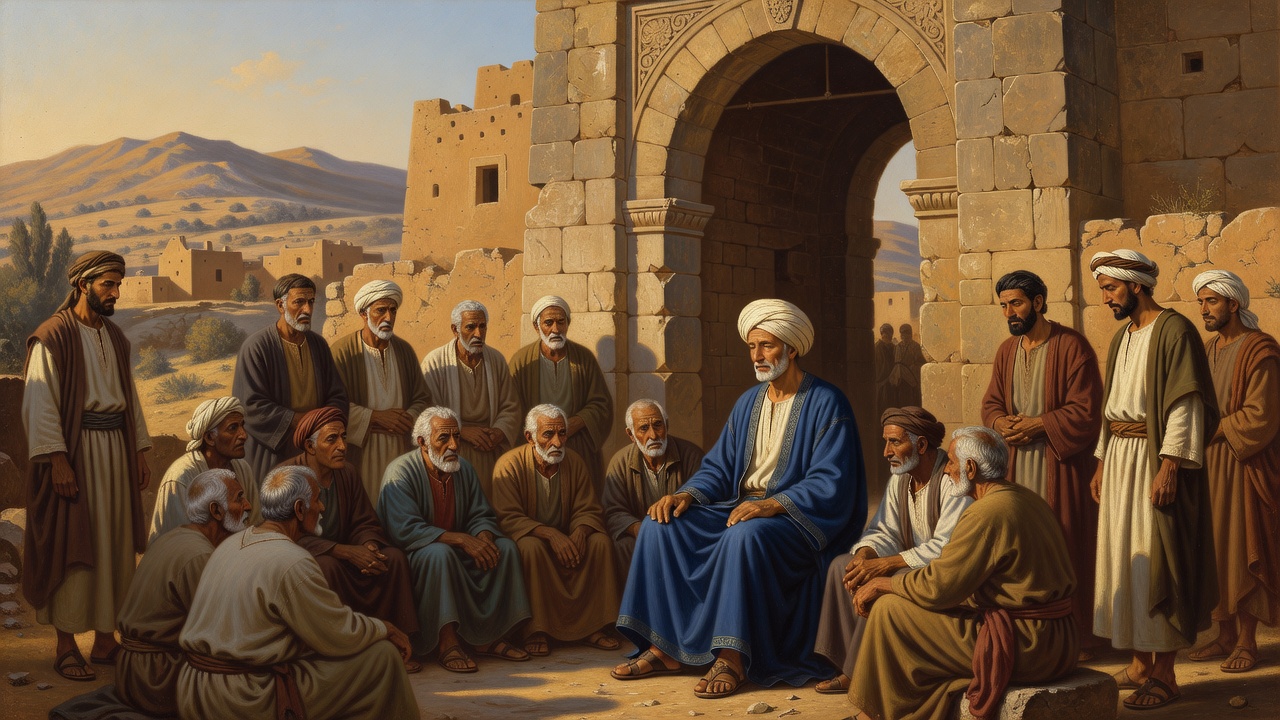
- In ancient times, the city gate and public square served as the center of community leadership, assembly, and judicial decisions. Job recalls sitting there as an honored counselor and chief, where young men stepped aside, elders stood in respect, and nobles fell silent to hear his guidance.Sources: the Bible text itself
- Job describes his former righteousness in terms of social justice and active protection of the vulnerable. He acted as an advocate and helper for the poor, the fatherless, the widow, the blind, the lame, and the stranger, while actively restraining oppressors.Sources: the Bible text itself
- Job is identified as an Arabian patriarch who resided in the land of Uz. In this chapter, he looks back with deep longing on the time before his sudden calamities, when his children were gathered around him and his household enjoyed exceptional prosperity and friendship with God.Sources: Job · the Bible text itself
Notes written with AI assistance from open sources (Theographic Bible Metadata, CC BY-SA 4.0; Easton’s Bible Dictionary, public domain) and reviewed before publishing.
Credits and license for this translation
KAKAƗYARI NIUKIEYA XAPAYARI WIXARIKAKƗ
The Holy Bible in the in Huichol language of Mexico, 2020 edition
La Santa Biblia en lengua huichol de México, edición 2020
copyright © 2020 Wycliffe Bible Translators, Inc.
Language: Huichol
Translation by: Wycliffe Bible Translators, Inc.
Huichol [hch], Mexico
Copyright Information
© 1988-2020, Wycliffe Bible Translators, Inc.
This translation text is made available to you under the
terms of the Creative Commons License: Attribution-Noncommercial-No Derivative Works.
( http://creativecommons.org/licenses/by-nc-nd/3.0/ )
In addition, you have permission to port the text to different file formats, as long as you
do not change any of the text or punctuation of the Bible.
You may share, copy, distribute, transmit, and extract portions
or quotations from this work, provided that you include the above copyright
information:
You must give Attribution to the work.
You do not sell this work for a profit.
You do not make any derivative works that change any of the actual words or punctuation of the Scriptures.
Permissions beyond the scope of this license may be
available if you contact
us with your request.
The Holy Bible
in Huichol
© 1988-2020, Wycliffe Bible Translators, Inc.
This translation is made available to you under the terms of the
Creative Commons Attribution-Noncommercial-No Derivatives license 4.0.
You may share and redistribute this Bible translation or extracts from it in any format, provided that:
You include the above copyright and source information.
You do not sell this work for a profit.
You do not change any of the words or punctuation of the Scriptures.
Pictures included with Scriptures and other documents on this site are licensed just for use with those Scriptures and documents.
For other uses, please contact the respective copyright owners.
2025-09-03
Source: http://ebible.org/hch/ · eBible.org