Job 20
KAKAƗYARI NIUKIEYA XAPAYARI WIXARIKAKƗ · Tap a verse to see its cross-references.
Hutarieka Tsupaxi kemutayɨ
1Mɨkɨ hepaɨtsita Tsupaxi Namati kiekame mɨpaɨ kaniutayɨni:
2«Ne'eriwametsie waɨkawa nemɨnehɨawekɨ yanepɨtayɨni,
yemekɨ 'aixɨa nepɨkareu'erie.
3Tierika ne'u'enieka yukɨnepɨreka'erietɨya,
kenemɨtimaiwekɨ pɨnetsikuyuitɨwa nemɨtaniunikɨ.
4»'Ekɨ pepɨtimate meripaitɨ,
kepauka Kakaɨyari tewi mukayetsie kwiepa,
5'axamɨtiuka'iyari kemɨtiyutemawie 'apɨkareutere,
Kakaɨyari mɨka'ayexeiya temawierikaya yakatinimieni.
6Kemɨtiyuta'ɨrekɨ tsepanetɨ muyuawitsie mɨye'axe
meta tsepa yumu'ukɨ haiwitɨri mukuyuituwa,
7mɨkɨ kanikumawerimɨkɨ yuheyemekɨ, kwitarai hepaɨ,
memeitima mɨpaɨ mekanitiyuakuni: “¿Ke'ɨyɨ?”
8Yɨwikɨta mɨtiuheinɨni hepaɨ, tɨkarikɨ mɨtiuxeiyatsitɨarieni hepaɨ,
yapauka pɨtapare tawariri pɨkataxeiyarieni.
9Keyupaɨmetɨ memixei tawariri mepɨka'ixeiya,
meta hakewa mekateitsie hutarieka pɨkanuani.
10Niwemamata tixaɨtɨ memɨkatehexeiya mekateniwayetuiriekuni,
wapaapa tita mɨtiunawakai.
11Xe'umete mɨtɨrɨkawi hikɨ xetemaritɨkaku
'uxa'atɨni warie mɨkɨ hamatɨa xekanika'uxipikuni tumuanaritsata.
12»Tsepa yuteta 'axamɨti'ane hakakame memɨ'erie
meta yuneni hetɨa mi'awieta,
13tsepa mɨkahewayetuaya,
matsi xɨka 'i'awietani ka'itaunietɨ,
14mɨkɨ paa kwa'ameyatsie yekaitɨ kanatsiɨrimɨkɨ,
mɨkɨ taɨtana yekaitɨ xaye meixeiya 'uaye mumɨya hepaɨ 'anetɨ kanayeimɨkɨ.
15Waɨkawa mɨrexeiyanikɨ kemɨranukaxɨ kanitahayamɨkɨ,
Kakaɨyari yakatiniyurimɨkɨ yuhuriepa menatihayanikɨ.
16Kuu meixeiya 'uaye mumɨya kananatiyuinimɨkɨ,
kuu nenieya mumɨya kanimiemɨkɨ.
17'Aki muyehapanetsie pɨkakuyani,
retsi kuneriyari meta xiete hatɨayari muyehapanetsie,
18Pɨkatitikwani tita mɨra'iwaxɨ yu'uximayatsikakɨ,
pɨkayukatemawieni tita waɨkawa mɨtiukaxeikɨ,
19tixaɨtɨ memɨkatehexeiya mɨtiwarunawairikɨ waɨriyarika wapitɨatɨ tixatɨ mɨkatiwaruhayewikɨ,
meta kii mɨka'utiwewi kutsiyari mayuyeitɨakɨ.
20»Yuhukatsie pɨka'utahɨpɨrike,
tita mɨtikwaimɨkɨkai pɨkatiutatetexiwakai.
21Tita mɨtikwakai pɨkakuhayeikawakai,
'ayumieme kayuwatɨ kemɨrexeiyakai 'apɨkareutere.
22Kepauka waɨkawa mɨrexeiya, haweri katiniyurimɨkɨ,
hetsiena 'axati'anetɨ rahetetɨ katinanutatemɨkɨ.
23Kepauka 'axamɨtiuka'iyari yutaɨta mɨtahɨne,
Kakaɨyari waɨkawa yuhaxɨa mɨkɨ hetsie kanitatuamɨkɨ,
hetsiena mukawiye hepaɨ.
24Tsepanetɨ muyuta'unaxɨ tepɨakɨ mɨtiwewiyatɨka 'imieriyarikɨ,
'ɨrɨ wurunitseyarikɨke kanenuyexuimɨkɨ.
25Kepauka nemaya hetsie meta wari'ɨtɨana
'ɨrɨ mɨtsɨmeyari xehahanake xemuyuta'inɨata,
xekanitimamakuni tsiɨrika xexeiyatɨ,
26tita waɨkawa mɨraye'atɨkatei mɨrexeiyakai makɨyɨwitsie kaneukaxɨriyamɨkɨ.
Tai ka'anutihɨtsieriwatɨ kanitaxɨtsitɨamɨkɨ
meta tinaime kiitana tita mɨreyuhayewa.
27Taheima muyema muyuawi katinitahekɨatamɨkɨ ke'axamɨtiuyurikɨ,
kwie meta yapɨtayɨni mitaxanetakɨ.
28Kepauka Kakaɨyari haxɨaya maye'anitsie,
haa tɨrɨkaɨyetɨ kaniwayenemɨkɨ kiiya kanita'unamɨkɨ.
29Kakaɨyari mɨpaɨ katinikuha'aritsirieka 'axamɨtiyuriene,
mɨpaɨ ti'aneme xeikɨa katinenayexeirieni».
Did you know?
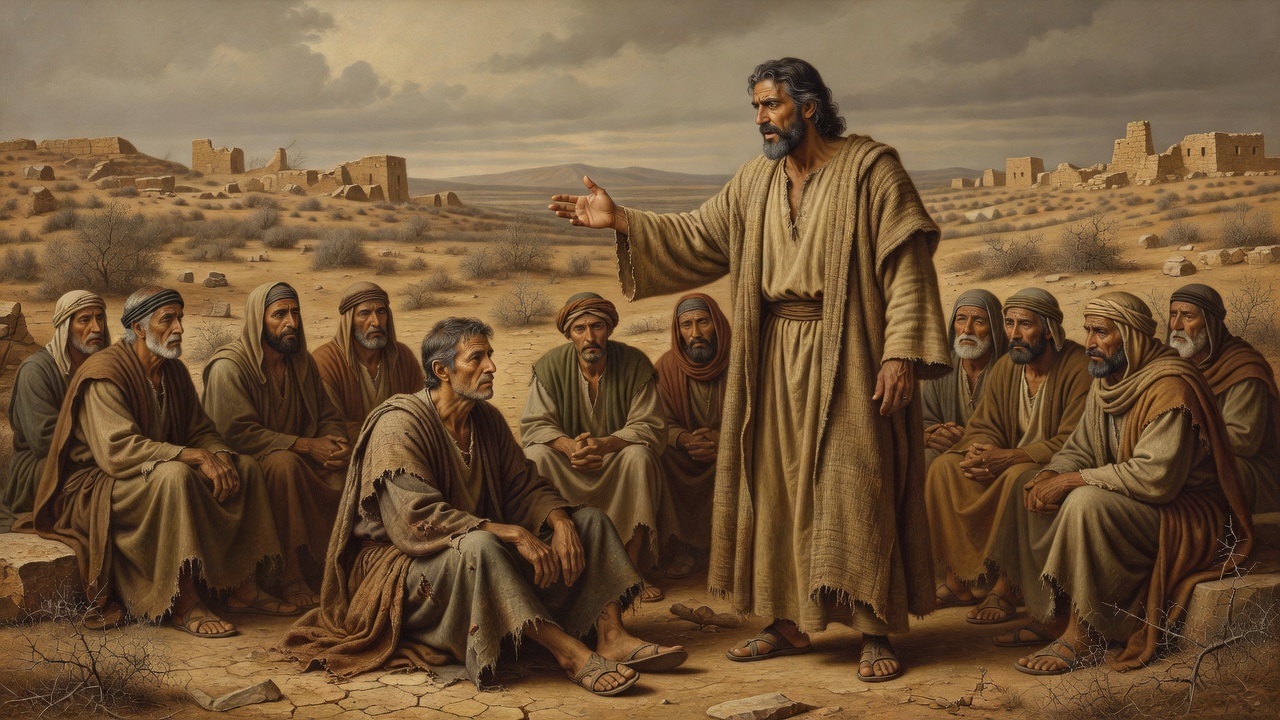
Zophar on the Fate of the Wicked
- Zophar is identified as a Naamathite, pointing to an otherwise unknown location named Naamah. In the ancient Greek Septuagint translation of the Hebrew Scriptures, he is described as a king of the Mineans or Maonites from southern Arabia.Sources: Zophar · the Bible text itself
- In his speech, Zophar uses metaphors of digestion and venom, asserting that ill-gotten wealth turns into the poison of vipers and cobras within the stomach of the wicked person.Sources: the Bible text itself
- Zophar also incorporates military imagery from the ancient world, describing a fleeing transgressor escaping an iron weapon only to be struck down by a bronze-tipped arrow.Sources: the Bible text itself
Notes written with AI assistance from open sources (Theographic Bible Metadata, CC BY-SA 4.0; Easton’s Bible Dictionary, public domain) and reviewed before publishing.
Credits and license for this translation
KAKAƗYARI NIUKIEYA XAPAYARI WIXARIKAKƗ
The Holy Bible in the in Huichol language of Mexico, 2020 edition
La Santa Biblia en lengua huichol de México, edición 2020
copyright © 2020 Wycliffe Bible Translators, Inc.
Language: Huichol
Translation by: Wycliffe Bible Translators, Inc.
Huichol [hch], Mexico
Copyright Information
© 1988-2020, Wycliffe Bible Translators, Inc.
This translation text is made available to you under the
terms of the Creative Commons License: Attribution-Noncommercial-No Derivative Works.
( http://creativecommons.org/licenses/by-nc-nd/3.0/ )
In addition, you have permission to port the text to different file formats, as long as you
do not change any of the text or punctuation of the Bible.
You may share, copy, distribute, transmit, and extract portions
or quotations from this work, provided that you include the above copyright
information:
You must give Attribution to the work.
You do not sell this work for a profit.
You do not make any derivative works that change any of the actual words or punctuation of the Scriptures.
Permissions beyond the scope of this license may be
available if you contact
us with your request.
The Holy Bible
in Huichol
© 1988-2020, Wycliffe Bible Translators, Inc.
This translation is made available to you under the terms of the
Creative Commons Attribution-Noncommercial-No Derivatives license 4.0.
You may share and redistribute this Bible translation or extracts from it in any format, provided that:
You include the above copyright and source information.
You do not sell this work for a profit.
You do not change any of the words or punctuation of the Scriptures.
Pictures included with Scriptures and other documents on this site are licensed just for use with those Scriptures and documents.
For other uses, please contact the respective copyright owners.
2025-09-03
Source: http://ebible.org/hch/ · eBible.org