John 10
KAKAƗYARI NIUKIEYA XAPAYARI WIXARIKAKƗ · Tap a verse to see its cross-references.
Muxatsi wakuraru hepaɨtsita
1»Yurikɨ mɨpaɨ nekanaineni, kemɨ'ane kitenie mɨkaheutahani muxatsi wakuraruta, huteikɨ pɨta meutimake, mɨkɨ tinawayame kanihɨkɨtɨni katininawamɨkɨ. 2Kemɨ'ane kitenie meutahani, muxatsi kaniwahɨwemetɨni. 3Kitenie tihɨweme katineiyepiriwani. Muxatsi niukieya mekani'enieka, yuxexuime pɨwarahɨawe yumuxatsi kememɨtetetewa, kaniwaranuyewitɨni wakuraruta. 4Kepauka yumuxatsima yunaime mɨwaranuyewitɨni, mɨkɨ 'anuyekaitɨ kaniumieni. Muxatsi 'utɨmana mekaniweiyani niukieyatsie memimatekɨ. 5Peru kuyeikame mepɨka'anukuweiya, mekaniyuta'unakuni pɨta ku'uwamete waniukitsie memɨkawamatekɨ».
6Ketsutsi 'ikɨ 'ɨkitsika xatatɨ mɨpaɨ katiniwakuxaxatɨwakaitɨni, mɨkɨ 'atsimepɨkatehetima tita mɨtihɨkɨtɨkai mɨtiwakuxaxatɨwakai.
7'Ayumieme tawarita mɨpaɨ kaniutayɨni Ketsutsi: «Yurikɨ mɨpaɨ nekanaineni, ne muxatsi nekaniwakitenietɨni. 8Yunaitɨ memu'axɨa nekanuawekaku 'akuxi ne, tenawayamete mekanihɨkɨtɨni, mekaniwanawatɨweni. Peru muxatsi mepɨkawaru'eni. 9Ne nekanikitenietɨni, nekɨmana xɨka tewi heutahani, kanitawikweitsitɨariemɨkɨ. Kaneutahamɨkɨ kaniwayeyeikamɨkɨ, makutsiɨraɨye kanetamariekaxɨamɨkɨ. 10Tinawayame wanawamɨtɨ wakwimɨtɨ wata'unamɨtɨ xeikɨa kani'axeni. Ne pɨta nekaninuani tukari memexeiyanikɨ, 'anayuhayewame memexeiyanikɨ.
11»Ne muxatsi wahɨweme 'aixɨa nemɨtiuka'iyari nekanihɨkɨtɨni. Muxatsi wahɨweme 'aixɨa mɨtiuka'iyari yutukari kaniyetuani muxatsi wahetsiemieme. 12Ti'iwame, kemɨ'ane muxatsi mɨkawahɨweme, muxatsi mɨkawakutsiyari, mɨkɨ kepauka 'ɨrawe mɨxeiya 'a'amiekame, mɨkɨ muxatsi kaniwaruku'e'eiriwani kaniyuta'unani. 'Ɨrawe kaniwatiwiyamɨkɨ kaniwataxɨriexɨamɨkɨ. 13Mɨkɨ mɨti'iwamekɨ xeikɨa muxatsi wahekɨ pɨkayu'iyaritɨa, puyuta'una.
14»Ne muxatsi wahɨweme 'aixɨa nemɨtiuka'iyari nekanihɨkɨtɨni, nemuxatsima nepɨwamate, mɨkɨta menetemate, 15yaxeikɨa ne'ukiyari mɨnetimate hepaɨ, neta ne'ukiyari kenemɨtimate hepaɨ. Netukari nekaniyetuani muxatsi wahetsiemieme. 16Hipameta muxatsi nepɨwarexeiya 'ikɨ xeikuraruyarita memɨkamiemete. Kaneuyeweka mɨkɨta nemɨwa'atɨanikɨ. Neniuki mekani'eniekuni, xeikuraruyari mehexeiyatɨ mekanakɨnikuni meta muxatsi wahɨweme xeime xeikɨa mehexeiyatɨ. 17'Ayumieme ne'ukiyari kaneninaki'erieka netukari nemɨyetuakɨ tawari nemitanaki'erienikɨ. 18Xewitɨ pɨkanetsinawairieni, nekɨmana pɨta nekaniyetuamɨkɨ. Heitserie nekanexeiyani nemiyetuanikɨ, heitserie nerexeiyata tawari nemitanaki'erienikɨ. 'Ipaɨ ne'ukiyari kanetiniu'aitɨani».
19Merikɨtsɨ tawari hixɨata mekaniyutsana huriyutsixi 'ikɨ niukieyakɨ. 20Yumɨiretɨ mɨkɨ mɨpaɨ mekaniutiyuanekaitɨni: «Kari kakaɨyari 'axamɨ'ane kaninɨka, pɨkayumate. ¿Titayari xete'i'enie?» 21Hipatɨta mete'utiyuanekai: «'Ikɨ niukieya, kakaɨyari 'axamɨ'ane minɨ'ɨ kapɨniukieya. ¿Kakaɨyari 'axamɨ'ane ketiyɨwe mɨwaranutanieritɨani memɨkaheuneniere?»
Huriyutsixi kememɨte'ixani'eri Ketsutsi
22Merikɨtsɨ 'ana 'ixɨarari kanaye'ani kepauka tuki mu'itiyatsie Kerutsareme. 'Ana kaniuhaɨtɨkaitɨni, 23Ketsutsi tuki kuraruyarita kaniyeyeikakaitɨni Tsarumuni kiiya hetsie meukuwewiyakai hetɨa. 24Hikɨ huriyutsixi 'auriena mekaniyukuxeɨrieni, mɨpaɨ mekatenitahɨawe:
—¿Kepaɨmexɨa pepɨtatsi'iyarimɨtsitɨaka? 'Ekɨ xɨka Kɨritsitu pehɨkɨtɨni, heitseriemekɨ ketatineutaxatɨa.
25Ketsutsi mɨpaɨ katiniwaruta'eiya:
—Yanepɨtixe'utahɨawixɨri, yuri xepɨkate'erie. 'Ikɨ tita nemɨtiyuriene ne'ukiyari hetsɨa nemiemetɨtɨ, mɨkɨ nehepaɨtsita katinihekɨatani. 26Matsi xeme yuri xepɨkate'erie, nemuxatsi wahetsie xemɨkamiemetekɨ. 27Nemuxatsi mepɨnetsi'enie, neta nepɨwamate, mekaneniuweiyani. 28Tukari mɨkaxɨwe nekaniwapitɨaka. Hatsuakuri mepɨkata'unarieni. Xewitɨ pɨkawatiwiya netsinawairienike nemamatsie. 29Ne'ukiyari mɨkɨ mɨnetsiyetuiri, mɨkɨ yemekɨ kanitɨrɨkaɨyeni, hipatɨ yunaitɨ mekatɨrɨkawikaku. Xewitɨ pɨkayɨwe mɨwatiwiya 'inawairienike ne'ukiyari mamayatsie. 30Ne ne'ukiyari hamatɨa tekanitaxewini.
31Hikɨ huriyutsixi tawari tetexi mekaniutitɨkɨ me'ituaxake. 32Ketsutsi mɨpaɨ katiniwarutahɨawe:
—Kamɨ waɨkawa nepɨxe'uxeitsitɨa 'uximayatsika 'aixɨa mɨ'anene ne'ukiyari hetsɨa mɨmieme. ¿Ke'aneme 'uximayatsikakɨ xepɨnetsituaxa?
33Huriyutsixi mɨpaɨ mekatenita'eiya:
—'Uximayatsika 'aixɨa mɨ'anekɨ tepɨkamatsituaxa, 'axapemutainekɨ pɨta tepɨmatsituaxa. 'Ekɨ tewi pehɨkɨtɨtɨ Kakaɨyari peme'ayeitɨwakɨ.
34Ketsutsi mɨpaɨ katiniwaruta'eiya:
—Tamɨ mɨpaɨ kare'uxa xe'inɨari niukiyaritsie: “Ne mɨpaɨ nepɨtixekɨhɨawe: Xeme xepɨmamariwawe”. 35Xɨkari memɨmamariwawe tiwaruterɨwa mɨkɨ wahetsɨa munua Kakaɨyari niukieya, mɨkɨ 'utɨarika xɨka kayɨweni mayeyeitɨarienikɨ, 36'iya ne'ukiyari mipataxɨ yuhetsiemieme, meta kwiepa meiyenɨ'a, xeme hepaɨtsitana mieme xeputiyuane kename 'axa'utaine mɨpaɨ nemutayɨkɨ: “Kakaɨyari nu'aya nekanihɨkɨtɨni”. 37Xɨka yanekatiyurieneni ne'ukiyari kemɨtiyuriene, yuri xepɨkanete'eririeka. 38Peru xɨka yanetiyurieneni, tsepa yuri xemɨkanete'eririe, tita nemɨtiyurienetsie pɨta yuri xeketene'erieka mɨpaɨ xemɨtehetimanikɨ kename ne'ukiyari nehetsie tiwiya, neta ne'ukiyari hetsie netiwiya.
39Hikɨ tawari mekanikuwautɨwekaitɨni me'iwiyake, mɨkɨ kaneyani meka'iwiyawekaku.
40Merikɨtsɨ Ketsutsi kaneyani tawari Kurutani 'anutaɨye hakewa Wani meripaitɨ mɨre'ɨyanekai, mana kaniyuhayewa. 41Yumɨiretɨ hetsɨana mekani'axekaitɨni, mɨpaɨ mekaniutiyuanekaitɨni: «Wani 'inɨari pɨka'uwewi, peru naime kemɨtikuxatakai Wani 'ikɨ tewi hepaɨtsita, yuri kanainekaitɨni». 42Mana yumɨiretɨ yuri mekateniuta'erieni hetsiena.
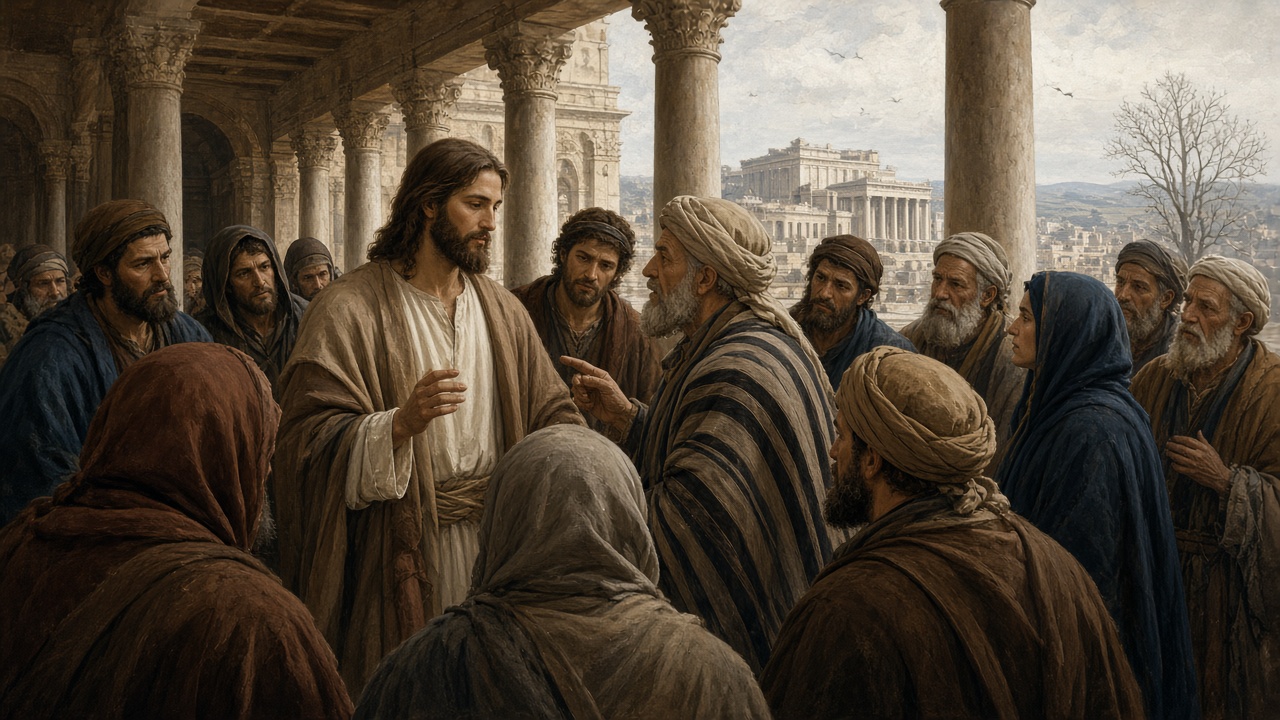
Did you know?
The Good Shepherd
- During the Feast of Dedication in Jerusalem it was winter, and Jesus was walking in the temple courts in Solomon's Colonnade. The name Jerusalem, in a dual form, means "possession of peace" or "foundation of peace"; that form probably refers to the mountains of Zion and Moriah, or, as some suppose, to the upper and lower city. Solomon's Hebrew name, Shelomoh, means "peaceful."Sources: the Bible text itself · Jerusalem · Solomon
- A chronology of Gospel events dates the Good Shepherd teaching to AD 29, and dates a time of teaching and healing from Perea to Jerusalem to AD 30.Sources: The Good Shepherd Teaching · Teaching and Healing in Perea to Jerusalem
- Jesus then went back across the Jordan to the place where John had first been baptizing, and many people there believed in him. John was of priestly descent: his father, Zacharias, was a priest of the course of Abia, and his mother, Elisabeth, was of the daughters of Aaron. His birth, six months before that of Jesus, was foretold by an angel; those who came said that John never performed a sign, yet everything he had said about Jesus was true.Sources: the Bible text itself · John the Baptist
Notes written with AI assistance from open sources (Theographic Bible Metadata, CC BY-SA 4.0; Easton’s Bible Dictionary, public domain) and reviewed before publishing.
Places in this chapter
- Jerusalem · 31.777, 35.234 · verse 22
- Solomon’s Portico · Today: in Jerusalem · 31.777, 35.234 · verse 23
- Jordan · Today: Jordan River · 31.761, 35.558 · verse 40
Only places identified with high confidence are shown (90% or more according to the scholarly sources compiled by OpenBible). Period map: DARE (Digital Atlas of the Roman Empire), CC BY 4.0; modern map: © OpenStreetMap contributors; places: OpenBible.info (CC BY 4.0).
Credits and license for this translation
KAKAƗYARI NIUKIEYA XAPAYARI WIXARIKAKƗ
The Holy Bible in the in Huichol language of Mexico, 2020 edition
La Santa Biblia en lengua huichol de México, edición 2020
copyright © 2020 Wycliffe Bible Translators, Inc.
Language: Huichol
Translation by: Wycliffe Bible Translators, Inc.
Huichol [hch], Mexico
Copyright Information
© 1988-2020, Wycliffe Bible Translators, Inc.
This translation text is made available to you under the
terms of the Creative Commons License: Attribution-Noncommercial-No Derivative Works.
( http://creativecommons.org/licenses/by-nc-nd/3.0/ )
In addition, you have permission to port the text to different file formats, as long as you
do not change any of the text or punctuation of the Bible.
You may share, copy, distribute, transmit, and extract portions
or quotations from this work, provided that you include the above copyright
information:
You must give Attribution to the work.
You do not sell this work for a profit.
You do not make any derivative works that change any of the actual words or punctuation of the Scriptures.
Permissions beyond the scope of this license may be
available if you contact
us with your request.
The Holy Bible
in Huichol
© 1988-2020, Wycliffe Bible Translators, Inc.
This translation is made available to you under the terms of the
Creative Commons Attribution-Noncommercial-No Derivatives license 4.0.
You may share and redistribute this Bible translation or extracts from it in any format, provided that:
You include the above copyright and source information.
You do not sell this work for a profit.
You do not change any of the words or punctuation of the Scriptures.
Pictures included with Scriptures and other documents on this site are licensed just for use with those Scriptures and documents.
For other uses, please contact the respective copyright owners.
2025-09-03
Source: http://ebible.org/hch/ · eBible.org