Jeremiah 3
KAKAƗYARI NIUKIEYA XAPAYARI WIXARIKAKƗ · Tap a verse to see its cross-references.
1»'Inɨarikɨ, xewitɨ 'uki yɨ'ɨya kaniuku'eirieni, mɨkɨta 'uka kanihayewa xeime pɨta 'uki tiwitɨnike. ¿Tiyɨwe 'uki matɨari mewitɨkɨkai nuame mitiwitɨnikɨ? Pɨkayɨwe. Mɨpaɨ xɨkatiuyɨni kwie naime ka'itiyakame kanayeitɨamɨkɨ. Mɨpaɨ kani'aneni, 'ekɨri yumɨireme pekaniwarukumayɨani, 'ayumieme pekapɨyɨweri nehetsɨa hutarieka pemunuani —Yawé mɨpaɨ kanaineni—.
2»Keneuxeiya 'iya hɨrite mɨmeetse:
Hakewa 'ahamatɨa pɨkarekahitɨwe.
Harawe tewiyari makumawetsie 'amuyeika hepaɨ,
huye tetsita pepɨkayeixakai,
'atuxexerima pewakwewietɨ.
Kwie ka'itiyakame pekanayeitɨani
memɨka'akɨnama wahamatɨa pehunetɨ.
3'Ayumieme pɨkawiyemɨkɨ,
'ayumieme taxarita mieme wiyeri pɨkanua.
'Ukaratsi tuminikɨ muyuwitɨnɨa hepaɨ pepɨti'akɨhɨawe,
tewiyarika pepɨkamate.
4Mɨixa wiyari pɨka'anuyemie mɨpaɨ pemɨnetiumarekai:
“Nepaapa, 'ɨimariyari pemɨnehamiku,
5¿'aheyemekɨ petiha'a?
¿Haxɨa peti'utani 'aheyemekɨ?”
Mexi petikuxatakai,
kepemɨtiuyɨwekaxɨa 'axapepɨtiuyuri».
'Ixaheri ke'axamɨtiuka'iyari
6Kepauka Kutsiyaxi ti'aitametɨkaku Yawé mɨpaɨ kanetiniutahɨawe: «¿Petimate kemɨtiyuriene 'Ixaheri, yamɨkatikamie hɨkɨtɨtɨ? Kaneyani hɨri 'amanutitɨtɨtsie, mana kɨyexi mɨ'e'etɨtɨa tuminikɨ muyumayɨinɨa kanayuyeitɨani. 7Ne mɨpaɨ nepɨtiku'eriwakai 'arike mɨpaɨ tiyurieme tsenekatɨ tinenuani nehetsɨa. Peru pɨkanua nehetsɨa. Taruya 'ikɨ naime pɨtiuxei, Kura yamɨkatikamie, 8yaxeikɨatatsiere punierixɨ kenemɨtiku'eiri 'Ixaheri mɨnetsihehɨa, 'eiriya xapayari kenemɨtitawewiri hipame wahamatɨa mukahuikɨ. Mɨyatɨtɨ taruya, Kura 'axamɨtiuka'iyari, pɨka'utima, yaxeikɨa pɨnetsi'uku'eiri, hipame wahamatɨa hunetɨ kanayani.
9»'Ixaheri mɨkatiuhayewaxɨkɨ hipame wahamatɨa hunetɨ, kwie ka'itiyakame kanayeitɨani meta kemɨ'ane mɨkayɨkɨna mukumaɨwa kanayuyeitɨani tete meta kɨye kakaɨyarixiyari muwarayexeiyakaikɨ. 10Tsepanetɨ 'ikɨ naitɨ mɨyamɨtiɨyɨ, taruya Kura 'axamɨtiuka'iyari, pɨkanua nehetsɨa yu'iyarikɨ, kenametɨ nehetsɨanua kaniuyɨni», Yawé mɨpaɨ kanaineni.
11Yawé mɨpaɨ kanetiniutahɨawe: «Mɨnetsihehɨa 'Ixaheri matsi 'aixɨa pɨtiuka'iyari keyuri Kura 'axamɨtiuka'iyari. 12Kenemie tayeta 'ikɨ niuki kenetaxata:
»“Kenenua, 'Ixaheri pemɨnetsi'uku'eiri.
Neha'atɨ nepɨkamatsixeiya
—Yawé mɨpaɨ kanaineni—.
Haxɨari 'ahetsiemieme nepɨka'utani yuheyemekɨ,
ne nemɨtiyukanenimayakɨ
—Yawé mɨpaɨ kanaineni—.
13Keneu'atimaixɨa xeikɨa ke'axapemɨtiuyuri,
meta kename Yawé pe'aye'unietɨ pehatɨa 'akakaɨyari.
Naime kɨyexi mɨ'e'etɨtɨka hetɨa
hipame kakaɨyarixi pepɨwarayexeiyakai,
meta kepemɨkati'awaɨriya yapemɨtikamienikɨ”».
14Yawé mɨpaɨ kanaineni: «Nehetsɨa xekeneu'axɨa xemɨnetsi'uku'eiri, karikɨ ne xekɨna nekanihɨkɨtɨni. Yuxexuime xeikiekariyaritsie nepɨwarayewitɨxɨani meta yuhuhutakame xeinuiwaritsie miemete, Tsiyuni paitɨ nepuwa'atɨani. 15Muxatsi wahɨwemete nepɨwahɨritɨani yamemɨtekahu kemɨnetinake, memɨwa'ɨwiyanikɨ metemaiwawetɨ meta mete'akumaitɨ.
16»'Iya tukaritsie, kepauka xemuyutimɨire kepauka xemɨyuwaɨkawani 'ikɨ kwieyaritsie, 'ipaɨri pɨkatitaniukieni: “Tɨratu kakuniyari Yawé hetsiemieme”. Xewitɨri pɨkahe'eriwani, hauyewetɨ pɨkahayani meta hekwatɨ pɨkatawewiyani —mɨpaɨ kanaineni Yawé—.
17»'Iya tukaritsie Kerutsareme pɨtiterɨwarieni: ‘‘Yawé 'uwenieya”. Yunaitɨ nuiwarite mepuyukuxeɨrieni Kerutsareme memeyexeiyanikɨ Yawé kemɨtitewa, meta yu'iyari 'axamɨtiuka'iyari mepɨka'eniekari.
18»Mɨkɨ tukaritsie Kura nuiwariyari mepuyutinɨni 'Ixaheri xiɨyarimama wahamatɨa, yunaitɨ mekanayekɨnikuni tayeta kwie mukumatsie, mekani'axɨakuni kwie watutsima nemɨwayetuiritsie.
19»Ne mɨpaɨ nepɨtiunehɨawixɨ:
»“Ne neniwe 'uki hepaɨ nemereuxeiyamɨkɨkaku,
kwie yuheiwe'erinɨakame nepɨmatsiyeturienikeyu,
'imikieri yemekɨ witsimɨ'ane 'ikɨ nuiwarite watsata”.
Ne mɨpaɨ nepɨtiku'eriwakai “Ne'ukiyari” penetimareke nepɨ'eriekai,
meta hatsuaku penetsi'uweiyatɨ pekatihayewake nepɨ'eriekai.
20Peru 'ekɨ, 'Ixaheri tewiyari,
pepɨkanetsiheu'enie
'ukaratsi yɨkɨna 'uku'eirieka xeime manukuwei hepaɨ»,
Yawé mɨpaɨ kanaineni.
21Hiwari payu'eniɨriɨkɨ hɨrite mɨmeetsetsie,
'Ixaheritsixi wahiwerika hiwariyari,
'axameteyurietɨ 'amemu'uwakaikɨ,
Yawé yukakaɨyari mematɨmaikɨ.
22«Xekeneu'axɨa, xemɨnetsi'uku'eiri,
nepɨxeti'uayemani heitserie xemɨka'u'uwakɨ».
«'Ena tepu'uwa, 'ahetsɨa teputi'axe,
'ekɨ Yawé takakaɨyari pemɨhɨkɨkɨ.
23Yurikɨ hɨritsie ketemɨteyuriekai pɨtikwamanarika,
meta yemuritsie kemɨtiutatɨrarɨka pɨti'itarika.
Yurikɨ Yawé takakaɨyari hetsie
'Ixaheri wikweitsitɨarikaya puxuawe.
24Kakaɨyarixi kepauka tewarayexeiyatɨ temakɨ
pɨtiutixɨ piinite tatutsima 'etsiteyumatekaku memɨte'ukaxeiyakai:
muxatsi meta wakaitsixi,
tɨɨri 'ukitsi meta 'ukari.
25Tatewiyarikatsie tepahini,
tatewinɨarika ketatsi'anukanani.
Tame meta tatutsima
Yawé takakaɨyari hepaɨtsita 'axatepɨte'uyuri.
Tɨɨriyari paitɨtɨ meta hikɨ 'akuxi,
yatepɨkatekakɨniwawe Yawé takakaɨyari kemɨtinake».
Did you know?
A Call to Faithless Sisters to Return
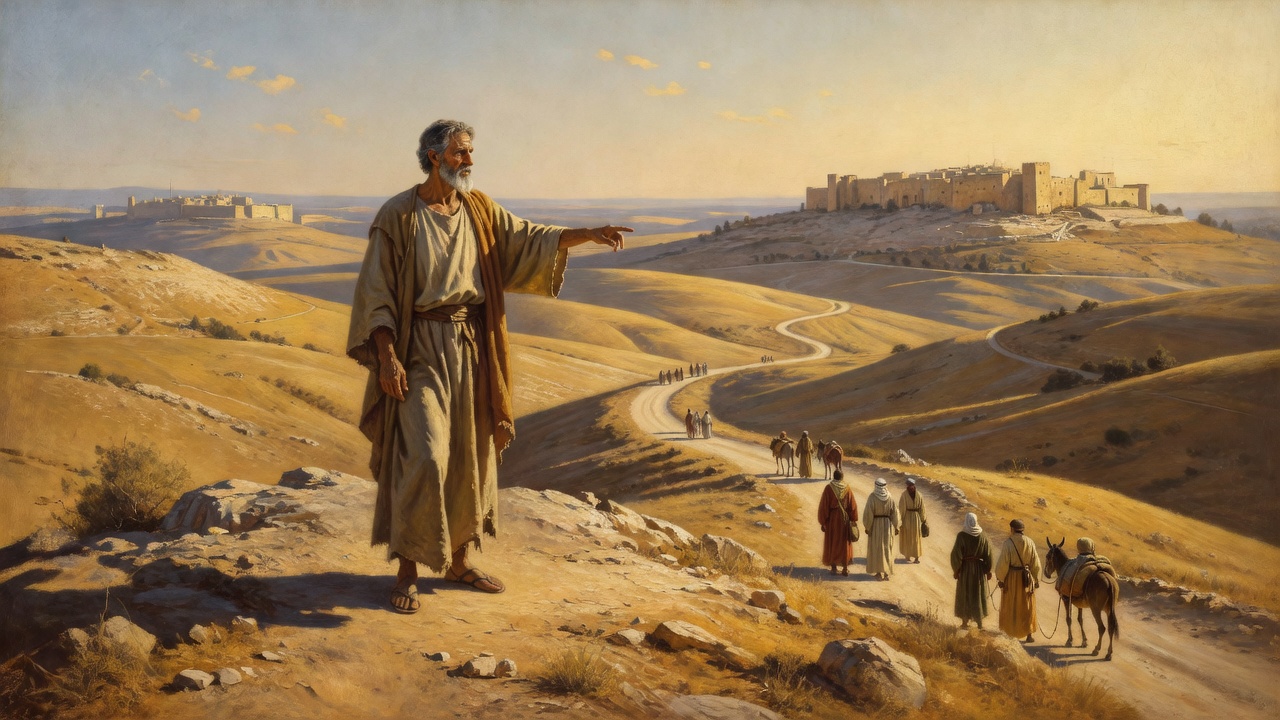
- During the reign of King Josiah of Judah, Jeremiah received prophecies comparing the northern kingdom of Israel and the southern kingdom of Judah to two sisters. Although the northern kingdom had already been sent away for its idolatry, Judah failed to learn from her sister's fate and turned back only in pretense.Sources: the Bible text itself · Josiah
- The prophet foretells a future restoration where the scattered people are brought back to Zion, the historic hill of Jerusalem. In that day, Jerusalem itself would be recognized as the Throne of the LORD, and the ark of the covenant would no longer be remembered or rebuilt.Sources: the Bible text itself · Zion · Jerusalem
- Drawing upon ancient marriage and divorce concepts, the text describes worshiping foreign gods on hills and under green trees as marital unfaithfulness. Despite this betrayal, the LORD repeatedly calls upon His faithless children to acknowledge their guilt and return to Him.Sources: the Bible text itself
Notes written with AI assistance from open sources (Theographic Bible Metadata, CC BY-SA 4.0; Easton’s Bible Dictionary, public domain) and reviewed before publishing.
Places in this chapter
Only places identified with high confidence are shown (90% or more according to the scholarly sources compiled by OpenBible). Period map: DARE (Digital Atlas of the Roman Empire), CC BY 4.0; modern map: © OpenStreetMap contributors; places: OpenBible.info (CC BY 4.0).
Credits and license for this translation
KAKAƗYARI NIUKIEYA XAPAYARI WIXARIKAKƗ
The Holy Bible in the in Huichol language of Mexico, 2020 edition
La Santa Biblia en lengua huichol de México, edición 2020
copyright © 2020 Wycliffe Bible Translators, Inc.
Language: Huichol
Translation by: Wycliffe Bible Translators, Inc.
Huichol [hch], Mexico
Copyright Information
© 1988-2020, Wycliffe Bible Translators, Inc.
This translation text is made available to you under the
terms of the Creative Commons License: Attribution-Noncommercial-No Derivative Works.
( http://creativecommons.org/licenses/by-nc-nd/3.0/ )
In addition, you have permission to port the text to different file formats, as long as you
do not change any of the text or punctuation of the Bible.
You may share, copy, distribute, transmit, and extract portions
or quotations from this work, provided that you include the above copyright
information:
You must give Attribution to the work.
You do not sell this work for a profit.
You do not make any derivative works that change any of the actual words or punctuation of the Scriptures.
Permissions beyond the scope of this license may be
available if you contact
us with your request.
The Holy Bible
in Huichol
© 1988-2020, Wycliffe Bible Translators, Inc.
This translation is made available to you under the terms of the
Creative Commons Attribution-Noncommercial-No Derivatives license 4.0.
You may share and redistribute this Bible translation or extracts from it in any format, provided that:
You include the above copyright and source information.
You do not sell this work for a profit.
You do not change any of the words or punctuation of the Scriptures.
Pictures included with Scriptures and other documents on this site are licensed just for use with those Scriptures and documents.
For other uses, please contact the respective copyright owners.
2025-09-03
Source: http://ebible.org/hch/ · eBible.org