Jeremiah 13
KAKAƗYARI NIUKIEYA XAPAYARI WIXARIKAKƗ · Tap a verse to see its cross-references.
Rinu hɨiyameyari
1Yawé mɨpaɨ kanetiniutahɨawe: «Rinu hɨiyameyari keneu'ananairi kena'ahɨa kɨmana, peru pepɨka'itahawiyani».
2Yawé kemɨnetiuta'aitɨakai, hɨiyame nekaniunaneni kɨmana nekanayɨhɨani. 3Hikɨ Yawé hutarieka mɨpaɨ kanetiniutahɨawe: 4«Hɨiyame pemunanai pemenakuteka kenahurietɨ, Perati paitɨ kenemie, mana keneti'awieta 'aita mukataritɨkata». 5Hikɨ nekaneyani Perati paitɨ nekaneiti'awieta, Yawé kemɨnerahɨawekai.
6Mɨixa tukari 'anukayaku, Yawé mɨpaɨ kanetiniutahɨawe: «Perati kenemie hɨiyame kenewaumie nemetsi'uta'aitɨa pemeiti'awietakɨ muwa». 7Perati nekaneyani, hakewa hɨiyame nemeti'awietakai nekanewatihurieni, peru 'axani'anekaitɨniri kanipɨnikaitɨni tixaɨtɨkɨ pɨkatiyunaki'eriekairi.
8Hikɨ Yawé mɨpaɨ tawari kanetiniutahɨawe: 9«Mɨpaɨ kanaineni Yawé: “Mɨkɨ kemɨ'ane mɨpaɨ nekatiniwaka'uniriemɨkɨ Kura xiɨyarimama kememɨteyuti'ɨre metatsiere Kerutsareme kiekatari. 10'Ikɨ teɨteri 'axamemɨte'u'iyari, memɨkayuwaɨriya yamemɨtekakɨnekɨ kenemɨti'aita, yu'iyari mukaheu'ena memuweiya meta hipame kakaɨyarixi memɨwarayexeiya, 'ikɨ hɨiyame tixaɨtɨ mɨkatiyunaki'erie hepaɨ mepɨyɨni. 11Tewi hɨiyame kemɨranakuteika, mɨpaɨ nepɨtiwareuyehɨakai hurawa 'Ixaheri teɨteriyari meta Kura nuiwarimama —Yawé mɨpaɨ kanaineni— neteɨterima memɨhɨkɨtɨnikɨ meta memɨnetsihekɨatanikɨ, nemariweme meta witsine'anemekɨ nemɨxeiyariekakɨ. Perutsɨ yamepɨkatekakɨ”.
Xarite mɨtatari
12»Mɨpaɨtatsiere ketiniwarutahɨawi: “Yawé mɨpaɨ kanaineni, 'Ixaheri Kakaɨyarieya: ‘Naitɨ xarite winukɨ kanitihɨniyariemɨkɨ’. Xɨka mɨkɨ mɨpaɨ memete'utahɨawe: ‘¿Tekate'akumatekuta panatsi naitɨ xarite winukɨ ka'utihɨniyarɨwa?’, 13hikɨ 'ana mɨpaɨ pekatiniwata'eiyamɨkɨ, Yawé mɨpaɨ kanaineni: ‘Winukɨ nekaniwatihɨniyamɨkɨ memɨtitarɨwenikɨ yunaime teɨteri 'ena kiekatari: ti'aitame Rawiri 'uwenieyatsie memayaxike, mawari wewiwamete meta yunaime Kerutsaremetari. 14Yanekatiniwapitɨamɨkɨ memuyutikwinikɨ yunaitɨ, wapaapama meta waniwema 'ukitsi yaxeikɨa. Ne nepɨkawatinenimayata matsi nepɨxeka'una nekaxeheunenimayatɨ’. Yawé mɨpaɨ kanaineni”».
Mari'itɨarika
15Xekeneneu'eni, yemekɨ xekeneu'enana.
Mariweme xepɨkahayuyeitɨwani, Yawé mɨpaɨ kanaineni.
16Yawé yukakaɨyari 'aixɨa xeketenahɨaweni,
mexi'akɨxi yɨriya kaheyenɨ'awe
meta 'akuxi xeme hɨri mɨ'e'etɨtsie xekahekaxɨriwawe.
Xeme hekɨariya xepɨtakwewie,
peru mɨkɨ kanipatamɨkɨ yɨriya 'amayetsuyekɨ,
'ɨyuwime kanayeitɨamɨkɨ.
17Peru xɨka xeme xekahanu'enanani,
'awie nekanitatsuamɨkɨ
xeme xemuyuti'ɨrekɨ,
nehɨxita 'ukai
panexɨani hatsiwimekɨ,
Yawé muxatsimama
'ateewa memanuhapanienikɨ kayukwieyaritsie.
18Mɨpaɨ ketineutahɨawi ti'aitame meta ti'aitame maamaya:
«Tixaɨtɨ xekatehɨkɨtɨme xekenayuyeitɨa, kwiepa xekenetiyaxi,
yumu'utsieri kuruna xepɨkahana'uitɨaka,
kuruna witsimɨtixawawatɨ».
19Nekexi kiekariyaritsie pɨreuname,
xewitɨ pumawe mɨreuyepieni.
Yunaitɨ Kura xiɨyarimama mekanehapanieni,
yunaitɨ mekananutaxɨriyani yemekɨ.
20Xekeneutanenieri xekeniwaruxeiya
tayeta memayehu.
¿Hakewari muxatsi pemɨhɨritɨarie,
muxatsi wahetsiemieme pemuyuta'ɨrekai?
21¿Kepetayɨni xɨka Yawé mɨkɨ memanuyetenikɨ waru'uitɨani
'iya kemɨ'ane 'ekɨ pemɨtiwaruti'ɨkitɨa
'iya 'aixɨa pemɨtiwamaikai?
¿Yemekɨ kamerekwine 'ukaratsi mɨniwene
kukuiniyaya hepaɨ?
22Xɨkata pe'ata'iwawiya:
«¿Titayari mɨya neranuyemie?»,
waɨkawa 'axapepɨtiuyuri
'a'iwi pekaniutatsaniyarieni
meta pekaniukumayɨiyani penanaimarietɨ.
23¿Kamɨtsɨ 'etiupe tewiyari yunawiyari mupata tiyɨwe,
yatɨni tiyɨwe tɨwe meupitu muyutayeitɨani?
Yaxeikɨata xeme 'aixɨa xemɨte'uyurieni xepɨkayɨwawe,
xepɨ'iyamate 'axaxemɨteyuriekakɨ xeikɨa.
24«'Ɨxa hepaɨ nepɨxetawiwiexɨani
'eka kemɨrei'enitsitɨwa makumawetsie.
25'Ikɨ mɨyati'anetɨ 'ahetsie katiniunake,
'ahetsiemieme nemi'inɨatakai
—Yawé mɨpaɨ kanaineni—.
Metsɨri pekanenatɨmaiya,
'itarikatsie pɨta pekatiniuwiya,
26neta 'a'iwi teikɨ nekanitihanimɨkɨ
'ahɨxie paitɨ nekamaneukunamɨkɨ
nekatinihekɨatamɨkɨ 'atewiyarika.
27Nepɨniere hipame wahamatɨa kepemɨtihune,
pemutatsuaka yewa hepaɨ,
peka'akatewiyatɨ hipame pewakumaɨwatɨ,
meta kemɨtixani'eriwakɨ yapetiyurienetɨ 'ahetsie,
yeuta paitɨ meta hɨritetsie.
Xɨa'ui 'ahetsie, Kerutsareme.
¿Kepaukake tamɨ pepɨtihayewa peka'itiyatɨ pehɨkɨtɨtɨ?»
Did you know?
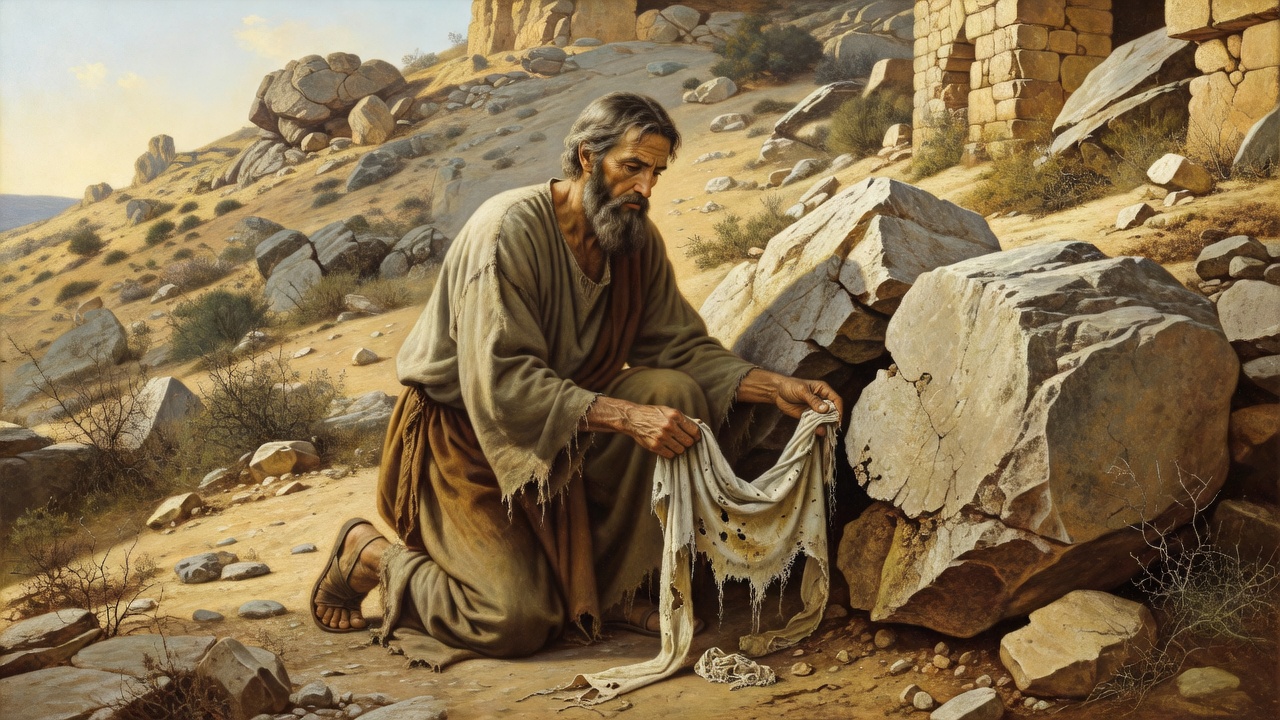
The Ruined Linen Sash and the Threat of Exile
- Jeremiah is commanded to bury a new linen loincloth in a crevice of the rocks at Perath, the Hebrew name for the Euphrates River. When retrieved after many days, the rotted, useless cloth served as a dramatic symbol of how God would ruin the pride of Judah and Jerusalem.Sources: the Bible text itself · Euphrates
- The prophecy warns that disaster would reach even the cities of the Negev, the arid region stretching across Judah's southern frontier on the route toward Egypt. The locking of these southern towns indicated that escape routes were cut off and that total exile was approaching.Sources: the Bible text itself · Negeb
Notes written with AI assistance from open sources (Theographic Bible Metadata, CC BY-SA 4.0; Easton’s Bible Dictionary, public domain) and reviewed before publishing.
Places in this chapter
- Euphrates · Today: Euphrates River · 31.004, 47.442 · verses 4, 5, 6, 7
- Jerusalem · 31.777, 35.234 · verses 9, 13, 20, 27
- Negeb · 31.245, 34.841 · verse 19
Only places identified with high confidence are shown (90% or more according to the scholarly sources compiled by OpenBible). Period map: DARE (Digital Atlas of the Roman Empire), CC BY 4.0; modern map: © OpenStreetMap contributors; places: OpenBible.info (CC BY 4.0).
Credits and license for this translation
KAKAƗYARI NIUKIEYA XAPAYARI WIXARIKAKƗ
The Holy Bible in the in Huichol language of Mexico, 2020 edition
La Santa Biblia en lengua huichol de México, edición 2020
copyright © 2020 Wycliffe Bible Translators, Inc.
Language: Huichol
Translation by: Wycliffe Bible Translators, Inc.
Huichol [hch], Mexico
Copyright Information
© 1988-2020, Wycliffe Bible Translators, Inc.
This translation text is made available to you under the
terms of the Creative Commons License: Attribution-Noncommercial-No Derivative Works.
( http://creativecommons.org/licenses/by-nc-nd/3.0/ )
In addition, you have permission to port the text to different file formats, as long as you
do not change any of the text or punctuation of the Bible.
You may share, copy, distribute, transmit, and extract portions
or quotations from this work, provided that you include the above copyright
information:
You must give Attribution to the work.
You do not sell this work for a profit.
You do not make any derivative works that change any of the actual words or punctuation of the Scriptures.
Permissions beyond the scope of this license may be
available if you contact
us with your request.
The Holy Bible
in Huichol
© 1988-2020, Wycliffe Bible Translators, Inc.
This translation is made available to you under the terms of the
Creative Commons Attribution-Noncommercial-No Derivatives license 4.0.
You may share and redistribute this Bible translation or extracts from it in any format, provided that:
You include the above copyright and source information.
You do not sell this work for a profit.
You do not change any of the words or punctuation of the Scriptures.
Pictures included with Scriptures and other documents on this site are licensed just for use with those Scriptures and documents.
For other uses, please contact the respective copyright owners.
2025-09-03
Source: http://ebible.org/hch/ · eBible.org