Judges 7
KAKAƗYARI NIUKIEYA XAPAYARI WIXARIKAKƗ · Tap a verse to see its cross-references.
Kerehuni kemɨtiwara'iwaxɨ mariyanitsixi
1Yeruwahari ―tatsɨari Kerehuni― meta yunaitɨ teɨteri ximeripaitɨ me'anuku'uka mekanekɨne, haixa Karuri mɨtitewa matiniere mekanitiyaxe. Mariyanitsixi memakutekai wayeta katini'anekaitɨni, mayeweritsie hɨri Mure hetɨa. 2Hikɨ Yawé Kerehuni, mɨpaɨ katiniutahɨawe: «Yuwaɨkawame teɨteri pepɨwarawitɨkɨ nemɨwayetɨanikeyu mariyanitsixi xehetsɨa. Tietɨ 'ixaheritsixi mɨpaɨ memɨteniu'eri kename yukɨmana mete'uyuri, 3mɨpaɨ ketiniwarutahɨawi hikɨ: “Kemɨ'ane muyɨyɨakani marikakɨ, ke'ukunuani hɨri Karaha tematitei yukie keheyani”». 'Ana yu'utɨma mekanekɨne xeitewiyari heimana huta miriyari, tamamata miriyari mekaniyuhayewa.
4Peru Yawé Kerehuni mɨpaɨ katiniutahɨawe: «'Akuxi teɨteri mekaniyuwaɨkawani. Hapa keniwarukatetɨa, mana nepɨwaranuyehapani 'ahetsiemieme. Xɨka mɨpaɨ nehaineni: “'Ikɨ 'a'utɨa kanimieni”, mɨkɨ kanimieni, peru xɨka mɨpaɨ nehaineni: “'Ikɨ 'a'utɨa pɨkamie”, mɨkɨ pɨkamie».
5Kerehuni hapa teɨteri kaniwarukatetɨani. Mana Yawé mɨpaɨ katinitahɨawe: «Kemɨ'ane yunenikɨ memɨtihareni tsɨikɨri wahepaɨ keniwarupata, 'iyata metitunuma'utɨ memɨtihareni xaɨtsie».
6Haika tsienituyari teɨteri mekaniutihareni yumamakɨ me'enatihanɨwetɨ yuteta meheitatu'atɨ. Hipatɨ yunaitɨ metitunuma'utɨ mekaniutihareni. 7Yawé Kerehuni mɨpaɨ katiniutahɨawe: «Haika tsienituyarikɨ teɨteri memutihari yunenikɨ, ne nepɨxetawikweitsitɨani, mariyanitsixi ne nepɨmatsiyetuirieni. Hipatɨta memuyuhayewaxɨ yukie mekehekɨne».
8Hikɨ Kerehuni hipame 'ixaheritsixi kaniwarenɨ'ani yukie, haika tsienituyari xeikɨa kaniwarukunuitɨani, 'ikwaite mekateniukunuitɨani meta 'awate hɨtsieriwame.
Mariyanitsixi mematitekai mayeweritsie pɨti'anekai, wayeta paitɨ Kerehuni mepɨtitekai. 9Mɨkɨ tɨkaritsie Yawé Kerehuni mɨpaɨ katiniutahɨawe: «Xekenanuku'uti mematiteitsie xekeneukakɨni, nekaniwayetuamɨkɨ Mariyanitsixi. 10Xɨka peheumaka pemɨwatakwinikɨ, kenaye'axi meri matsiparewiwame, Pura hamatɨa, 11mana ketinetamari kemɨretaine. 'Anake pepɨyɨwekaxɨani pemɨwatakwini mematiteitsie».
Hikɨ Pura hamatɨa 'iparewiwameya mekaneukakɨne tehɨwemete memati'upaitɨ, mematitei manuye'atɨkatsie. 12Mariyanitsixi, 'amarekitsixi, meta hipatɨ teɨteri tau manatineika hepatsie kiekatari mana mekanititekaitɨni mayeweritsie, mekaniyumɨirekaitɨni 'utsikari wehepaɨ mekateniyuxexeiyakaitɨni. Wakameyutsixi mepɨkayu'inɨatsinɨakai, xiekari haramara tetsita mɨtika hepaɨ.
13Kerehuni mana kaninuani yemekɨ xewitɨ yuheinɨtsi yuhamiku kuxaxatɨwakaku.
Mɨpaɨ katinikuxatakaitɨni:
―Mɨpaɨ nepɨtiuheinɨ, tsewara payari tematitei mariyanitsixi kaninuani 'uxikɨriwarumetɨ, kepauka 'ixuriki kiyaritsie mukawautsekai mɨkɨ kanatixɨrɨwekaitɨni.
14Hamikuya mɨpaɨ katinitahɨawe:
―Mɨkɨ tixaɨtɨ pɨti'inɨariyari, 'ixaheri tewiyari 'ixiparaya kanihɨkɨtɨni Kerehuni Kuhatsi nu'aya. Kakaɨyari kaniyetuirieni mariyanitsixi meta tinaime 'ena mɨtikupine.
15Kepauka Kerehuni heinɨtsika mu'eni meta kemɨtiuhekɨatsie, kaniutihɨximakeni. Hikɨ mekanakunuaxɨani 'ixaheritsixi mematiteitsie mɨpaɨ kaniutayɨni: «Xekenanuku'uti. Yawé mariyanitsixi kanixeyetuirieni».
16Kerehuni me'ayehaikame kaniwarayeitɨani, xeitsienituyaritsixi meyupapaɨmeme 'awa kaniwaruta'ɨitɨani meta tai mepu'ɨkai xarikɨ 'anukanatɨkaime. 17Mɨpaɨ katiniwarutahɨawe:
―Xekenene'ɨkeni kenemɨtiyurieneni. Kepauka mematitei temaye'axɨaximeni yaxeikɨa xeketeneyurieka kenemɨtiyurieneni ne. 18Kepauka ne meta memɨnetsi'aweiya 'awate temɨtihɨtsieni, xemeta xemeitihɨtsieni mematitei wawaritatsie, mɨpaɨ xemetiyuani: “Yawé hetsiemieme meta Kerehuni hetsiemieme”».
19Kerehuni meta teɨteri xeitsienituyari hamatɨana memuhukai, mematitekaitsie manuyeniere mekaniu'axɨani tɨkari hixɨapa tehɨwemete memayutipatatsie, kepauka hutarieka tehɨwemete memanutahaxɨanikekaitsie. 'Awate mekaniutihɨtsieni meta xarite mekaniutitara kwiepa. 20Me'ayuyehaikatɨ 'awate mekaniutihɨtsieni meta xarite mekaniutitara. Tai mekaniuti'ɨni yu'utakɨ, yutseriekɨ 'awa me'u'ɨtɨ memitihɨtsienikekai, mɨpaɨ mekateniuhiwa: «Yu'ixipara xekenewatihapani, Yawé hetsiemieme meta Kerehuni hetsiemieme». 21Yuxexuitɨ 'ixaheritsixi mekana'utɨkɨne mematiteitsie, hikɨ yunaitɨ mariyanitsixi mekaniutinautsa me'utitsuatɨ.
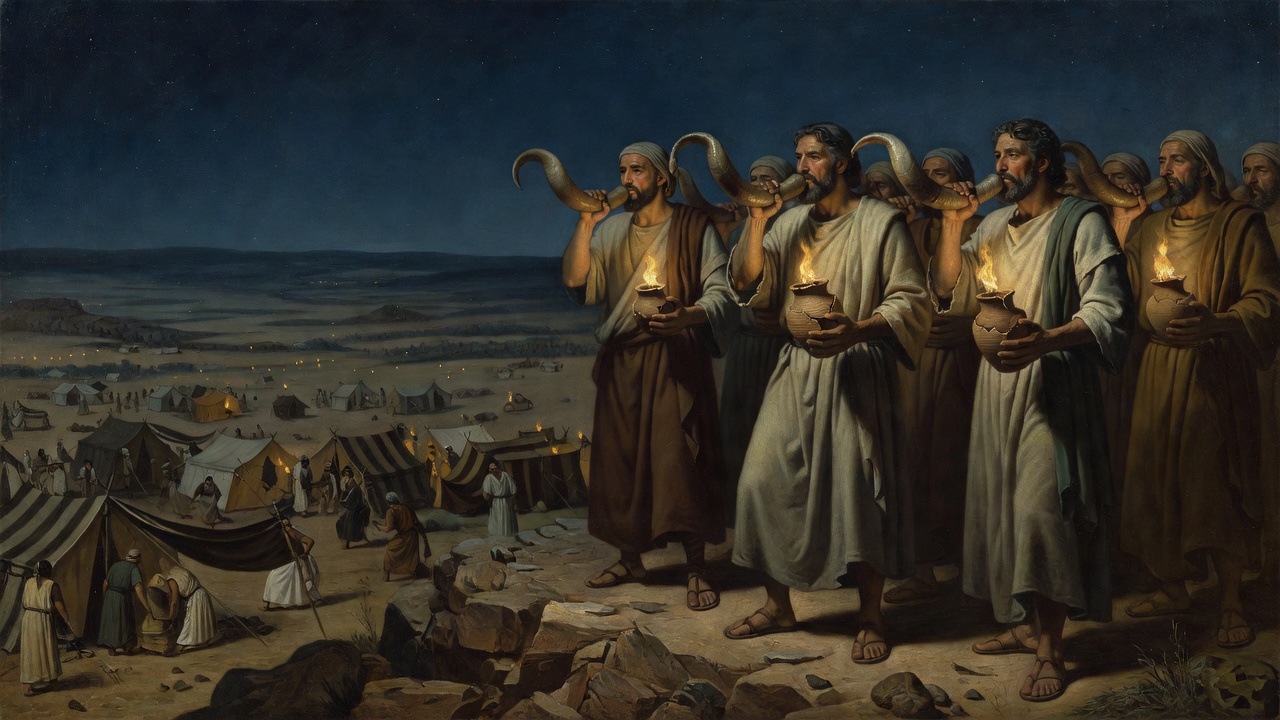
22Kepauka haika tsienituyari 'awate mutiyua, Yawé yakatiniuyurieni mɨkɨ teɨteri mana memukutekai yukɨmana mekaniuyutakwini yu'ixiparakɨ. Mɨkɨ mekaniuyuta'una Weti-Tsita paitɨ, Tserera hepatsie, 'Aweri-Mekura kiekariyari manuye'atɨka paitɨ, Tawati kiekariyaritsie heuhurakaku. 23Hikɨ 'ixaheritsixi mekaniuta'inierieni, Nepɨtahari xiɨyarimama, 'Atsexi xiɨyarimama meta yunaitɨ Manatsexi xiɨyarimama, mɨkɨ mariyanitsixi mekaniwaranukuweiya. 24Naitsarie hɨritsie 'Epɨrahini kwieyaritsie Kerehuni texaxatamete kaniwarutanɨ'ani mɨpaɨ me'utiyuaneme: «Xekeniwaruhupiexɨa yeuta meta hamuxapa mariyanitsixi, Kurutani hatuxameyaritsie manuyeyɨkɨtɨkatsie xekenanu'uixɨa, Weti-Wara paitɨ ye'atɨkaimetsie mexi mɨkɨ meka'anukɨniwawe».
'Epɨrahini nuiwarimama yunaitɨ mɨpaɨ mekatenikakɨne kememɨte'utahɨawarie. 25'Ana 'Urewi mekaniuwiya meta Tsewi, yuhutame mariyanitsixi wa'ukiyarima. 'Urewi mekaniumieni 'aitsie hikɨ mɨkɨ 'ai 'Urewi mekateniuterɨwa, Tsewi mekaniumieni kaxie takari matipɨnarɨwatsie hikɨ mana Tsewi mekateniuterɨwa. Mepɨkatehayewakai mewaruweiyatɨ mariyanitsixi, 'Urewi mu'uya meta Tsewi mu'uya Kerehuni mekanetɨkirieni, Kurutani hatuxameyari 'anutaɨye muyuhayewakai.
Did you know?
Gideon's Three Hundred
- Before the battle, Gideon's force of 32,000 men was drastically reduced to just 300 at the spring of Harod. First, 22,000 fearful men were permitted to return home, and the remaining 10,000 were sifted by how they drank water from the spring, leaving only those who brought water to their mouths with their hands.Sources: the Bible text itself · Harod
- Gideon used night tactics and psychological shock by dividing his 300 men into three companies armed only with rams' horns, torches, and clay jars. Surrounding the vast camp of Midianites and allied eastern nomads near the hill of Moreh during the night watch, the sudden sound of shattering jars and blowing horns caused the enemy to turn on one another in the dark.Sources: the Bible text itself · Moreh (little Hermon) · East
- As the Midianites fled toward the Jordan River, the tribe of Ephraim was summoned to cut off their retreat at the river crossings. The Ephraimites captured and executed two Midianite leaders, Oreb (meaning 'raven') and Zeeb (meaning 'wolf').Sources: the Bible text itself · Oreb · Zeeb · Ephraim
Notes written with AI assistance from open sources (Theographic Bible Metadata, CC BY-SA 4.0; Easton’s Bible Dictionary, public domain) and reviewed before publishing.
Places in this chapter
- Midian · 28.495, 35.012 · verses 1, 2, 7, 8, 12, 13, 14, 15, 23, 24, 25
- Amalek · 30.648, 34.422 · verse 12
- East · Today: region around Amman · 31.955, 35.934 · verse 12
- Jordan · Today: Jordan River · 31.761, 35.558 · verses 24, 25
Only places identified with high confidence are shown (90% or more according to the scholarly sources compiled by OpenBible). Period map: DARE (Digital Atlas of the Roman Empire), CC BY 4.0; modern map: © OpenStreetMap contributors; places: OpenBible.info (CC BY 4.0).
Credits and license for this translation
KAKAƗYARI NIUKIEYA XAPAYARI WIXARIKAKƗ
The Holy Bible in the in Huichol language of Mexico, 2020 edition
La Santa Biblia en lengua huichol de México, edición 2020
copyright © 2020 Wycliffe Bible Translators, Inc.
Language: Huichol
Translation by: Wycliffe Bible Translators, Inc.
Huichol [hch], Mexico
Copyright Information
© 1988-2020, Wycliffe Bible Translators, Inc.
This translation text is made available to you under the
terms of the Creative Commons License: Attribution-Noncommercial-No Derivative Works.
( http://creativecommons.org/licenses/by-nc-nd/3.0/ )
In addition, you have permission to port the text to different file formats, as long as you
do not change any of the text or punctuation of the Bible.
You may share, copy, distribute, transmit, and extract portions
or quotations from this work, provided that you include the above copyright
information:
You must give Attribution to the work.
You do not sell this work for a profit.
You do not make any derivative works that change any of the actual words or punctuation of the Scriptures.
Permissions beyond the scope of this license may be
available if you contact
us with your request.
The Holy Bible
in Huichol
© 1988-2020, Wycliffe Bible Translators, Inc.
This translation is made available to you under the terms of the
Creative Commons Attribution-Noncommercial-No Derivatives license 4.0.
You may share and redistribute this Bible translation or extracts from it in any format, provided that:
You include the above copyright and source information.
You do not sell this work for a profit.
You do not change any of the words or punctuation of the Scriptures.
Pictures included with Scriptures and other documents on this site are licensed just for use with those Scriptures and documents.
For other uses, please contact the respective copyright owners.
2025-09-03
Source: http://ebible.org/hch/ · eBible.org