Isaiah 66
KAKAƗYARI NIUKIEYA XAPAYARI WIXARIKAKƗ · Tap a verse to see its cross-references.
Ke'aixɨa mɨtiyɨni meta ketemɨteta'ikwewani
1Yawé mɨpaɨ kanaineni:
«Muyuawi ne'uweni kanihɨkɨtɨni,
kwie meta, hetsiena nemɨnewetɨka kanihɨkɨtɨni.
Kii xemɨnetsi'utawewirieni pɨkayɨwe.
Tixaɨtɨ kiiyari xepɨkanete'uxatɨawawe.
2Netɨrɨkariya katiniuyurieni naime 'ikɨ mɨtiutawewi:
mɨpaɨ tiɨyɨku 'ayumieme katiniuneni
―Yawé mɨpaɨ kanaineni―.
»Ne nepuwaxeiya tixaɨtɨ memɨkateheuxeiya meta yu'iyaritsie memɨte'uka'eniwa,
kemɨ'ane neniuki memayemakaxe.
3Peru kemɨ'ane tuurutsixi memɨwamawatɨwe
mɨkɨ teɨteri memɨwatakukuya wahepaɨ mepɨ'anene,
kemɨ'ane muxatsi memɨwamawatɨwe
mɨkɨ tsɨikɨri wakɨipi memanutimura wahepaɨ mepɨ'anene,
kemɨ'ane hatsi mawariyari mɨwewie
mɨkɨ tuixuri waxuriya memɨyetuaya wahepaɨ mepɨ'ane,
meta kemɨ'aneta 'ɨkwa witsimu'ɨa mukutaiya
mɨkɨ memɨkakakaɨyarixi memuwarayexeiya wahepaɨ kani'aneni.
Mɨkɨ yuxaɨta yuhuye mepanayexeiyaxɨa,
meta mepuyutemawieritɨa mɨxani'eriwakɨ.
4'Ayumieme ne 'uximatɨarika nekananayexeiyamɨkɨ wahetsiemieme
tita waɨkawa memɨtemakaxe nekatiniwaranunɨ'airiemɨkɨ.
Nixewitɨ mɨkanetsi'uta'eikɨ kepauka nemɨwarahɨawekaitsie,
kepauka nemutaniu, nixewitɨ pɨka'u'enaxɨ.
Matsi, 'axamepɨte'uyuri nehɨxie
tita mɨkanetinake mepɨte'anayexei».
5Yawé niukieya xekeneu'eni,
xeme niukieya xemayemakaxe:
«Mɨpaɨ xe'iwama mekaniutiyuaneni memɨxexani'erie
meta memɨxehayeweweiya kenemɨtitewakɨ xemɨnetsikuxatakɨ:
“Yawé mariwetɨ kehayeitɨarieni,
temawierika xehetsie temɨxeiyakɨ”.
Peru mɨkɨ pɨta mepɨtewiyatsitɨarieni.
6Hiwari pa'eniɨriɨkɨ kiekaritsie,
tukita payeneika hiwari:
Yawé hiwarieya kanihɨkɨtɨni
memeye'unie yakatiniwarakapitɨamɨkɨ tita wahetsie mɨtimieme.
7»Meripaitɨ ka'itakwiniwekaku 'akuxi
Kerutsareme nunutsi kanayexeiya,
'akuxi ka'aye'awekaku matiniwenitsie,
'ukitɨme kaniutiniweni.
8¿Kemɨ'ane 'ari mɨpaɨ pɨtiu'enaxɨ?
¿Kemɨ'ane hepaɨna 'aneme puxei?
¿Tiyɨwe xewitɨ nuiwari mɨtinuiwa xeitukaritsie?
¿Xeikiekariyari mutinuiwa tiyɨwe xeitukaritsie?
Matsi, Tsiyuni yutɨɨriyama kaniwarayexeiya
'akuxi ka'itakwiniwetɨ waɨkawa.
9Xɨka ne niweyametsie nereuyepieni,
nepipitɨani nunutsi mɨtinuiwakɨ
―Yawé mɨpaɨ kanaineni―.
Nepɨkareunani niweyametsie,
karikɨ ne nemɨhɨkɨkɨ memɨtiniweyanikɨ yanemɨtiwakupitɨwa
―'akakaɨyari mɨpaɨ kanaineni―.
10Matsi Kerutsareme hamatɨa xekeneyutemamawieka,
kemɨ'ane yunaitɨ xeminaki'erie,
hamatɨana xekeneutitsukwakani temawierikakɨ,
yunaitɨ kemɨ'ane xemutitsuanakai hamatɨana.
11Karikɨ xeme xekanititsitsitɨariekuni meta xekanitihuxaitɨariekuni,
nɨtɨarika xekanikaxeiyakuni tsitsitsie,
xepɨtihuxani,
xepuyutemamawieka tsitsi 'amɨnenetsie».
12Karikɨ Yawé mɨpaɨ kanaineni:
«Mɨkɨ kayuwatɨ waɨkawa nepɨpitɨani haa tɨrɨkaɨyetɨ muhane hepaɨ,
meta kwiepa memɨtama tiwapiini nepɨtipitɨani haa manatiyeuriweni hepaɨ.
Xeme xepɨtsitsitɨarieka, xepa'ɨiyaka,
tunutetsie xepukuheni.
13Niwekame yuniwe kemɨtinɨtɨwa hepaɨ,
mɨpaɨ ne nepɨtixenɨtɨani,
Kerutsaremetsie xekaninɨtɨariekuni».
14Kepauka xeme mɨpaɨ xemɨteneniere,
yu'iyaritsie xepuyutemamawieka,
hikɨ mɨkɨ waiyarieya pɨtaxutuni tupiriya hepaɨ,
Yawé matsiɨkɨme payeitɨani
yutɨrɨkariya te'i'uximayatsiriwamete watsata,
meta yuhaxɨa kemɨ'ane memeye'unie watsata.
15Yawé 'ukanamieniri tai hetsie yewetɨ.
Kaxetateya kuyaxa mieme haikɨri mɨtɨrɨkawi pɨhɨkɨ.
Yuhaxɨa pɨyetuani,
tai nerɨkwariyarikɨ puyutahaxɨatɨani.
16Taikɨ meta 'ixiparakɨ
Yawé teɨteri yunaime puwataxaneta.
Yawé tɨrɨkariyayatsie yumɨiretɨ mepɨkwini.
17«Wahamatɨa mekanikwikuni kemɨ'ane mepatsiekame memayuyeitɨa meta kemɨ'ane memuyu'itie memeutahaxɨanikɨ harawerita, xeime manuyeka me'uweiyatɨ, meta kemɨ'ane tuixu waiyarieya memɨkwa'a, naikatsi meta hipame mɨtixani'eriwa ―Yawé mɨpaɨ kanaineni―.
18»Ne, mɨkɨ 'axamemɨteyuriekɨ meta 'axamemɨteku'eriwakɨ, nepɨwaxeɨrimɨkɨ yunaime teɨteri kwiepa memɨtama, nuiwarite meta yɨkɨ 'anenemekɨ niuki memutiniuka mekani'axɨakuni mekanenixeiyakuni kenemɨtimariwe.
19»'Inɨari nekaniwawewiriemɨkɨ, hipatɨ memɨyuhayewa nuiwarite kwiepa memɨtama wahetsɨa nepɨwaranunɨ'ani: Taritsi kiekariyaritsie, Puri, Riria (mana kiekatari kwinie mepɨteheutamɨiwawekai), Tuwari meta Kɨretsiya, meta haramara tetsita meteewatsie hakewa memɨkanetsihetamariwawe meta kenemɨtimariwe memɨka'ixeiyawawe. Mɨkɨ mekanenitaxatakuni kenemɨtimariwe nuiwarite watsata. 20Meta naitsarie xe'iwama nuiwarite watsata memutetɨka nehɨri mɨpatsietsie Kerutsareme xepuwa'atɨani, mawari hepaɨ Yawé hetsiemieme, kawayutsixi, kaxetate yukukuyamete, kaxetate titɨkɨmete, muratsixi meta kameyutsixi wahetsie me'utekame xepɨwa'atɨani ―Yawé mɨpaɨ kanaineni—. 'Ixaheritsixi wahepaɨ, watsute 'aixɨa 'anenemeta, hatsi mawariyari Yawé tukita memɨte'atɨwa hepaɨ xekateniwa'atɨakuni. 21Mɨkɨ wahetsieta hipame nepuwaranayexeiya, mawari wewiwamete memakɨnekɨ meta rewitsixi ―Yawé mɨpaɨ kanaineni―.
22»Kemɨreutere ne'ixeiyakaku muyuawi meta kwie mɨhekwa neminetɨani, mɨpaɨta xenuiwarima meta kememɨtetetewa mepɨteheutere ―Yawé mɨpaɨ kanaineni―. 23Xeimetseriyari 'anukayeikakaku meta xawati xeitsemana miemetsie, yunaitɨ kwiepa memɨtama mepɨ'axɨani nehɨxie memɨkatunuma'unikɨ ―Yawé mɨpaɨ kanaineni―. 24Hikɨ kepauka memuwayekɨnetsie mepɨwaxeiya wakaxarite kemɨ'ane memɨnetsi'utami.
»Kwitsi pɨkamɨni muwakwa'a,
meta tai pɨkatɨni muwatixɨtsitɨwa:
memɨxani'eriwa mepakɨne yunaitɨ kwiepa memɨtama wahɨxie».
Did you know?
True Worship and the Gathering of Nations
- Isaiah opens this final chapter declaring that heaven is God's throne and earth His footstool, meaning no human building can contain Him. Instead, God values those who are humble and contrite in spirit and who tremble at His word, contrasting this disposition with ritual sacrifices made without genuine devotion.Sources: the Bible text itself
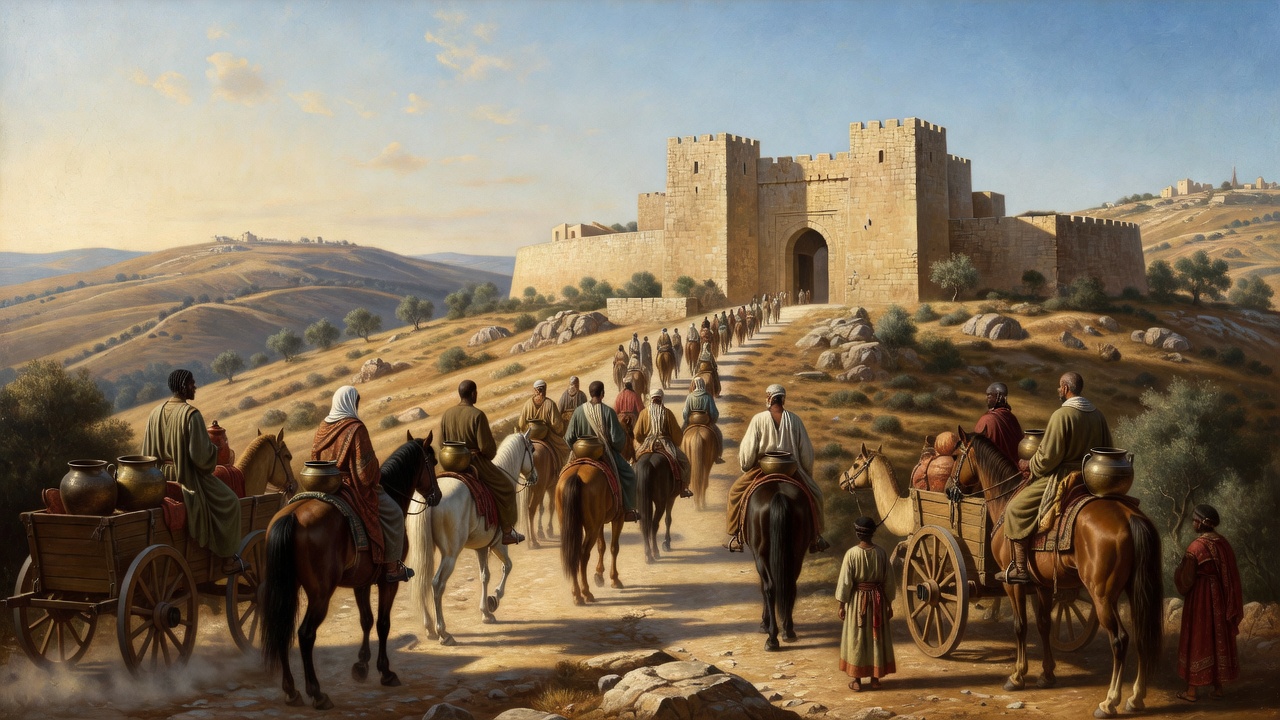
- The prophetic vision mentions messengers sent to far-flung regions, including Tarshish, the archers of Lud, Tubal, and Javan, which was the generic Hebrew designation for the Greek world. People from these distant coastlands and nations are depicted journeying to Jerusalem to witness God's glory.Sources: the Bible text itself · Tarshish · Lud · Javan
- The closing section describes enduring new heavens and a new earth where all humanity comes to worship regularly from one Sabbath and New Moon to the next. In an unexpected development, God announces that He will select some from among these gathered nations to serve as priests and Levites.Sources: the Bible text itself
Notes written with AI assistance from open sources (Theographic Bible Metadata, CC BY-SA 4.0; Easton’s Bible Dictionary, public domain) and reviewed before publishing.
Places in this chapter
- Jerusalem · 31.777, 35.234 · verses 7, 10, 12, 13, 20
- Zion · Today: Jerusalem · 31.777, 35.234 · verse 8
- Javan · Today: Ionia · 38.200, 27.500 · verse 19
- Lud · Today: Lydia · 38.488, 28.040 · verse 19
- Meshech · Today: about 200 km around Gordion · 39.655, 31.994 · verse 19
- Tubal · Today: Tabal · 37.296, 36.254 · verse 19
Only places identified with high confidence are shown (90% or more according to the scholarly sources compiled by OpenBible). Period map: DARE (Digital Atlas of the Roman Empire), CC BY 4.0; modern map: © OpenStreetMap contributors; places: OpenBible.info (CC BY 4.0).
Credits and license for this translation
KAKAƗYARI NIUKIEYA XAPAYARI WIXARIKAKƗ
The Holy Bible in the in Huichol language of Mexico, 2020 edition
La Santa Biblia en lengua huichol de México, edición 2020
copyright © 2020 Wycliffe Bible Translators, Inc.
Language: Huichol
Translation by: Wycliffe Bible Translators, Inc.
Huichol [hch], Mexico
Copyright Information
© 1988-2020, Wycliffe Bible Translators, Inc.
This translation text is made available to you under the
terms of the Creative Commons License: Attribution-Noncommercial-No Derivative Works.
( http://creativecommons.org/licenses/by-nc-nd/3.0/ )
In addition, you have permission to port the text to different file formats, as long as you
do not change any of the text or punctuation of the Bible.
You may share, copy, distribute, transmit, and extract portions
or quotations from this work, provided that you include the above copyright
information:
You must give Attribution to the work.
You do not sell this work for a profit.
You do not make any derivative works that change any of the actual words or punctuation of the Scriptures.
Permissions beyond the scope of this license may be
available if you contact
us with your request.
The Holy Bible
in Huichol
© 1988-2020, Wycliffe Bible Translators, Inc.
This translation is made available to you under the terms of the
Creative Commons Attribution-Noncommercial-No Derivatives license 4.0.
You may share and redistribute this Bible translation or extracts from it in any format, provided that:
You include the above copyright and source information.
You do not sell this work for a profit.
You do not change any of the words or punctuation of the Scriptures.
Pictures included with Scriptures and other documents on this site are licensed just for use with those Scriptures and documents.
For other uses, please contact the respective copyright owners.
2025-09-03
Source: http://ebible.org/hch/ · eBible.org