Isaiah 45
KAKAƗYARI NIUKIEYA XAPAYARI WIXARIKAKƗ · Tap a verse to see its cross-references.
1Yawé mɨpaɨ Tsiru katinahɨaweni, menayexei,
kemɨ'ane mamaya tserietanatsie mɨtiwierixɨ
nuiwarite mɨtiwata'aitɨanikɨ,
meta te'aitamete watepɨate mɨwanawairienikɨ,
memanutakɨnetsie kiteniete mɨreuyepiexɨanikɨ,
meta kiteniete reuyepietɨkaime mɨhayewaxɨanikɨ:
2«'Ahɨxie nepumieni,
hɨri meutiteitsie nepɨrakuweririta,
wurunitse 'itupariyarite nepɨtitara,
meta tepɨa meuku'uwetɨka nepanuxitexɨani.
3Yɨwita timieme mɨraye'axe nepɨmatipitɨani,
meta piinitɨarika 'awie mɨti'utsie,
ne Yawé nemɨhɨkɨ mɨpaɨ pemɨtimaikakɨ,
'Ixaheri Kakaɨyarieya, kepemɨtitewakɨ mɨmatsihaterɨwa.
4Kakuwu neti'uximayatsiriwame hetsiemieme,
'Ixaheri nemenayexei,
nepɨmetsihahɨawe kepemɨtitewakɨ,
meta 'aixɨa pemɨtixeiyariekakɨ mɨpaɨ nepumatiuterɨwaxɨ,
tsepa 'ekɨ pemɨkanetsimate.
5Ne Yawé nekanihɨkɨtɨni, tawarita xewitɨ pumawe,
tawari xewitɨ Kakaɨyaritɨtɨ pumawe.
Tsepa 'ekɨ pemɨkanetsimate,
ne nepɨmatsitɨrɨkariyani,
6mɨpaɨ xemɨtemaikakɨ tau manatineika hepatsie meta makayuyuipiketsie
tawarita xewitɨ Kakaɨyari kaniumaweni.
Ne Yawé nekanihɨkɨtɨni, tawarita xewitɨ kaniumaweni.
7Ne hekɨariya nekaniunenetɨwani meta yɨriya,
'aixɨa mɨti'ane nekatini'atɨwani meta 'uximatɨarika,
ne, Yawé, naime 'ikɨ nekatiniunenetɨwani.
8»Wiyeri keneukaxɨrɨwani muyuawi meutitewatsie,
haiwitɨri, tita mɨtiheitseriekɨ keneukawiwiyeni.
Kwie huhutakatɨ ke'anutayepierixɨani.
Wikweitsitɨarika ke'utineni.
Hamatɨana ke'utawere tita mɨtiheitserie.
Ne, Yawé, nekaninetɨani».
9Xɨa'ui kemɨ'ane mɨniukixie mitawewi hepaɨtsita.
Xɨa'ui kemɨ'ane mɨtari
mɨtitariwe kwiepa timieme tsata.
¿Kamɨtsɨ tiyɨwe haxu kemɨ'ane mipɨna mɨpaɨ mɨtiutahɨawe:
«Kepemɨtiyuriene kene'a'ɨwiya.
'Aye'ɨ pɨkahawiwietɨkari.»?
10Xɨa'ui kemɨ'ane yupaapa mɨpaɨ mɨranutahɨawe:
«Neuxei ketitayari penetiutinuiwitɨa».
Xɨa'ui yumaama mɨpaɨ mɨranutate'a:
«Neuxei ketitayari penetiutiniwexɨ».
11Yawé mɨpaɨ kanaineni,
Mɨpatsie 'Ixaheri hetsiemieme, mitawewi:
«Xeme neniwema wahetsiemieme xemɨnetsi'uta'iwawiya 'uxa'atɨni kemɨtiwayurieni pɨkayɨwe,
yatɨni yaxemɨnetetahɨawekɨ kenemɨtiyurienikɨ.
12Ne kwie nekaniutawewieni,
hetsiena teɨteri nekaniwarunetɨani.
Nemamate katiniuyurieni muyuawi 'amuyemanaxɨ,
meta mana xurawetsixi memuyeyaxekɨ nekaniwaruta'aitɨani.
13Tsiru hetsiemieme kemɨtiheitseriekɨ nekatiniyurimɨkɨ,
huyeya heitserie nekaniuyetemɨkɨ.
Mɨkɨ nekiekari kananukuketɨamɨkɨ,
meta kemɨ'ane memanutaxɨriya kaniwatixɨnamɨkɨ,
peru tixaɨtɨ tuminikɨ meta 'axamɨtayɨnikɨ xɨka xewitɨ tumini 'i'ɨitɨaka.
Ne mɨpaɨ nekanaineni, Yawé Naimekɨnemɨtɨrɨkaɨye».
14Yawé mɨpaɨ kanaineni:
«'Ekipitu mɨtiwewiya meta piinitɨarika Kutsi timieme,
naitɨ 'apiinite katinayeimɨkɨ,
tsaweutsixi, teɨteri kwinimieme memɨtɨtɨ,
'a'utɨa mepuhuni tepɨakɨ mehɨatɨkaitɨ.
'Ahɨxie mepɨtitunuma'uni,
waɨkawa memetsiwawirietɨ mɨpaɨ mepɨtiyuani:
“Yuxewitɨ xeikɨa Kakaɨyari 'apuyeika tawarita xewitɨ pumawe,
mɨkɨ Kakaɨyari 'ahamatɨa puyeika”».
15'Ekɨ, Kakaɨyari meta 'Ixaheri wikweitsitɨwame,
'ekɨ Kakaɨyari pemɨkahekɨa pepɨhɨkɨ.
16Yunaitɨ kemɨ'ane kakaɨyarixi memɨwawewie
mepɨtewiyatsitɨarieni meta nitixaɨtɨ mepɨkatehayeitɨarieni,
nitixaɨtɨ mekatehɨkɨtɨtɨ mepɨyehu.
17Peru 'Ixaheri Yawé pitawikweitsitɨani,
yuheyeme wikweitsitɨarikakɨ,
tawarita hatsuaku pɨkatewiyatsitɨarieni
meta tawariri tixaɨtɨ pekatihɨkɨtɨtɨ pepɨka'ayeitɨarieni.
18Karikɨ Yawé mɨpaɨ kanaineni,
kemɨ'ane muyuawi 'amuyema,
Kakaɨyari kwie mutawewi,
minetɨa meta 'amiyeye,
makumawenikɨ mɨka'itawewi,
mitawewi mana mɨkiepatɨnikɨ:
«Ne Yawé nekanihɨkɨtɨni,
tawarita xewitɨ kaniumaweni.
19Hawaikɨ 'ikɨ kwieyari mɨyɨwitsie
'awiekamekɨ nepɨkaxetahɨawiwe.
Meta Kakuwu nuiwarimama mɨpaɨ nepɨkatiwatahɨawiwe:
“Xekeneneutiwawa peru xepɨkanetsitaxeiya”.
Ne, Yawé, nepɨtikuxata tita mɨtiheitserie,
meta yanepaine tita 'aixɨa mɨti'anekɨ.
20»Xekeneuyukuxeɨri xemeyuta'unaxɨa nuiwarite watsata,
xekeneuyukuxeɨri, xekenakɨni.
'Atsimemɨkatemate mekanihɨkɨtɨni kemɨ'ane kɨye kakaɨyarixiyari memɨwarɨ'ɨ,
meta kakaɨyarixi wahɨxie memuyunenewixime memɨkateyuwikweitsitɨwa.
21Yaxekeneutiyua,
xeketeneutahekɨata.
¿Kemɨ'ane 'ipaɨ putayɨ meripaitɨ,
kemɨ'ane yaputayɨ meripaitɨ?
¿Kamɨtsɨ ne, Yawé, yanekatiutayɨ?
Tawarita xewitɨ Kakaɨyari kaniumaweni,
Kakaɨyari heitserie hexeiyatɨ meta tiyuwikweitsitɨwatɨ,
tawarita xewitɨ kaniumaweni.
22»Nehetsɨa tawarita xekeneu'axɨa, xemɨtawikweitsitɨarienikɨ,
yunaitɨ kwie manu'axetsie paitɨ xemu'uwa,
karikɨ ne nekanikakaɨyaritɨni, tawarita xewitɨ kaniumaweni.
23Ne mɨpaɨ yurikɨ nekaniuyuhɨritɨani nehetsiemieme,
heitseriekamekɨ yanekaniutayɨni
niuki nemɨka'ipatakɨ:
Nehɨxie yunaitɨ mepɨkatunuma'uni,
nehetsiemieme yamepɨteyuhɨritɨani yunaitɨ teɨteri.
24Mɨkɨ mɨpaɨ mepɨtiyuani nehetsiemieme: “Yawé hetsie xeikɨa kanixuaweni
tita mɨtiheitserie meta tɨrɨkariya”».
Yunaitɨ kemɨ'ane memiyehekaxɨ
mɨkɨ hɨxie mekaniti'uikuni,
mekanitewiyatsitɨariekuni.
25Matsi yunaitɨ 'Ixaheri nuiwarimama
Yawé katinehekɨatamɨkɨ heitserie kememɨtehexeiyakɨ meta 'aixɨa kememɨtexeiyarie.
Did you know?
The Commission of Cyrus and God's Sovereignty
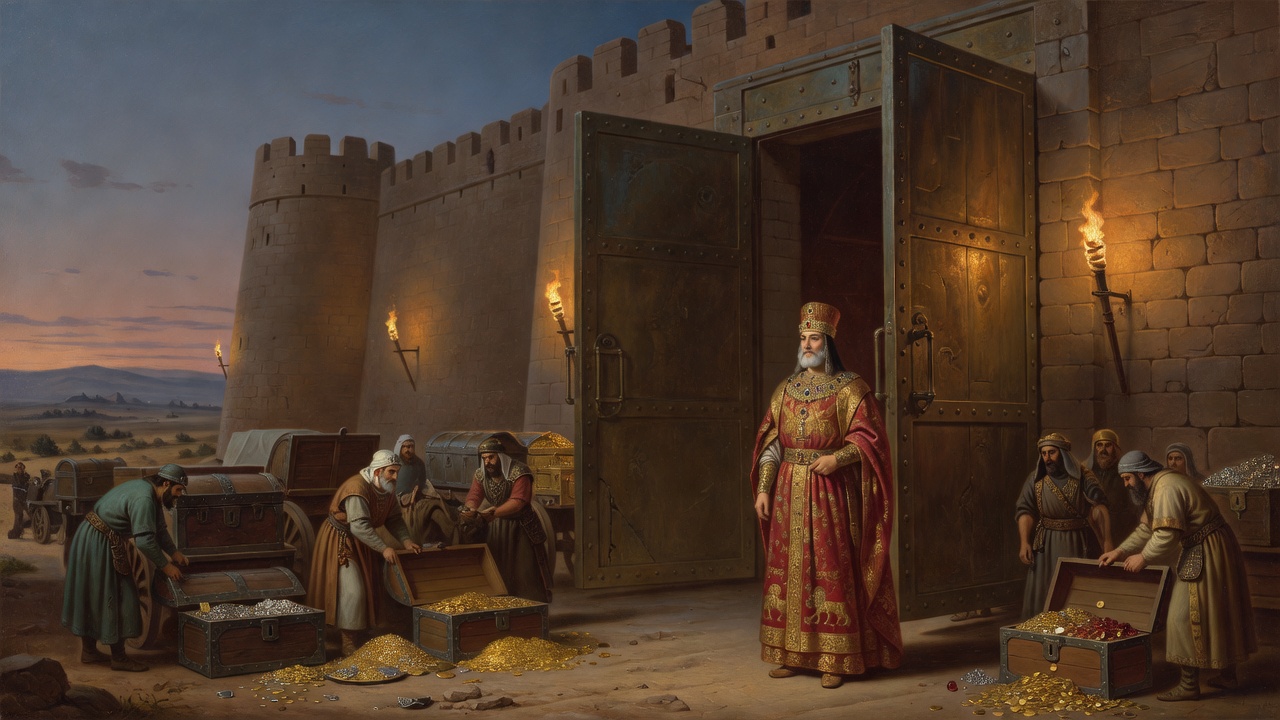
- Isaiah 45 explicitly names Cyrus, the Persian ruler who conquered Babylon in 538 BC. Although Cyrus was a foreign monarch, the text refers to him as God's anointed whose mission includes subduing nations and setting the exiles free without payment or reward.Sources: the Bible text itself · Cyrus
- The chapter employs the metaphor of a potter and clay to address those who question God's methods and sovereignty. The passage emphasizes that just as clay cannot dispute the work of the artisan's hands, creation cannot question the Creator's governance.Sources: the Bible text itself
- The chapter also references the goods and merchandise of Egypt and Cush submitting and acknowledging the God of Israel. In biblical geography, Cush referred to the regions located south of Egypt.Sources: the Bible text itself · Cush · Egypt
Notes written with AI assistance from open sources (Theographic Bible Metadata, CC BY-SA 4.0; Easton’s Bible Dictionary, public domain) and reviewed before publishing.
Places in this chapter
Only places identified with high confidence are shown (90% or more according to the scholarly sources compiled by OpenBible). Period map: DARE (Digital Atlas of the Roman Empire), CC BY 4.0; modern map: © OpenStreetMap contributors; places: OpenBible.info (CC BY 4.0).
Credits and license for this translation
KAKAƗYARI NIUKIEYA XAPAYARI WIXARIKAKƗ
The Holy Bible in the in Huichol language of Mexico, 2020 edition
La Santa Biblia en lengua huichol de México, edición 2020
copyright © 2020 Wycliffe Bible Translators, Inc.
Language: Huichol
Translation by: Wycliffe Bible Translators, Inc.
Huichol [hch], Mexico
Copyright Information
© 1988-2020, Wycliffe Bible Translators, Inc.
This translation text is made available to you under the
terms of the Creative Commons License: Attribution-Noncommercial-No Derivative Works.
( http://creativecommons.org/licenses/by-nc-nd/3.0/ )
In addition, you have permission to port the text to different file formats, as long as you
do not change any of the text or punctuation of the Bible.
You may share, copy, distribute, transmit, and extract portions
or quotations from this work, provided that you include the above copyright
information:
You must give Attribution to the work.
You do not sell this work for a profit.
You do not make any derivative works that change any of the actual words or punctuation of the Scriptures.
Permissions beyond the scope of this license may be
available if you contact
us with your request.
The Holy Bible
in Huichol
© 1988-2020, Wycliffe Bible Translators, Inc.
This translation is made available to you under the terms of the
Creative Commons Attribution-Noncommercial-No Derivatives license 4.0.
You may share and redistribute this Bible translation or extracts from it in any format, provided that:
You include the above copyright and source information.
You do not sell this work for a profit.
You do not change any of the words or punctuation of the Scriptures.
Pictures included with Scriptures and other documents on this site are licensed just for use with those Scriptures and documents.
For other uses, please contact the respective copyright owners.
2025-09-03
Source: http://ebible.org/hch/ · eBible.org