Isaiah 29
KAKAƗYARI NIUKIEYA XAPAYARI WIXARIKAKƗ · Tap a verse to see its cross-references.
Xɨa'ui Rawiri kiekariena
1Xɨa'ui, 'Ariheri, 'Ariheri,
kiekari hakewa Rawiri metayatsie.
Tawarita xeiwiyari xekenanutiyetsa meta tawarita xeiwiyari,
'ixɨarari tukariyari yakereuyuweiyani.
2Peru 'Ariheri hetsɨa nekaninuamɨkɨ nemɨtika'enitsitɨanikɨ,
tsuari kanitixuawerimɨkɨ meta hiwerika,
nehetsiemieme tɨɨ yayatsame pɨhɨkɨtɨni mawari matitaiyarɨwatsie.
3'A'aurie nekanitayerɨmɨkɨ nemetsitamienieke,
kɨyexikɨ nekamanakurarutɨiyatɨyeimɨkɨ,
'akurarutsie temeukatsunaxɨani tekanitiwewiekuni.
4Nitixaɨtɨ pekatihɨkɨtɨtɨ, kwiepa pe'ukaitɨ pekanitahiwamɨkɨ,
tumuanaripa 'aniuki waɨriyarika xeikɨa kani'eniɨriɨkɨkamɨkɨ.
'Aniuki kwieta kanatinemɨkɨ
tiyumariutame niukieya hepaɨ,
'aniuki tumuanari tsatapaitɨ,
waɨriyarika kaniyu'eniɨriɨkɨkamɨkɨ.
5Peru memɨyumɨire memɨmetsi'aye'unie
kwie waɨkawa mutumuani mekanakɨnikuni,
meta yumɨiretɨ memɨkateyukanenimaya
kuxari mekanakɨnikuni 'eka mei'enitsitɨwa.
Yapauka, kwitɨwa,
6Yawé Naimekɨmɨtɨrɨkaɨye 'ahetsɨa kaninuamɨkɨ,
mimierɨkarikɨ kaninuamɨkɨ, kwie watayuitɨwatɨ,
meta waɨkawa tɨranari xuawitɨatɨ,
kaninuamɨkɨ haikɨri 'amɨpa mɨtɨrɨkɨye 'ayu'eriyame hamatɨa
meta tai tiyutaiyame hamatɨa.
7Memɨyɨmɨire nuiwarite
'Ariheri memɨmietɨwe,
yunaitɨ kemɨ'ane memimietɨwe
meta titatsie mɨtiyutɨrɨkariya,
kemɨ'ane memenutinama,
heinɨtsi hepaɨ mekaniyɨkuni,
heiwa yɨwikɨta mɨtiuniere hepaɨ.
8Haakamɨkame rekwatɨ mɨtiyuheinɨtsa hepaɨ,
peru manutanieretsie reuhaakamɨkɨni,
harimɨkame heharetɨ mɨtiyuheinɨtsa hepaɨ,
matsi manutanieretsie ranatiwakini.
Nuiwarite mɨpaɨ mekaniyɨkuni yunaitɨ memɨyuwaɨkawa
Tsiyuni hɨriyari memɨmietɨwe.
9'Atsixekatemaitɨ xekenakɨni, xemamatɨ xekaniuwawetɨ xekeneti'uti,
xekaheunenieretɨ xekenakɨni, tixaɨtɨ tɨma xekatexeiyatɨ,
xekenetarɨweka, peru winukɨ hawaikɨ,
xekenekeitsarietɨweni, peru winukɨ hawaikɨ.
10Yawé xehetsie kanikawiwieni
'iyari waɨkawa xemeukutsukɨ,
Kakaɨyari niukametemama mekaneniereme puwarayeitɨa,
Kakaɨyari hetsie timiemekɨ memɨtaneniere wahɨxie pɨwareutinaxɨa.
11Xehetsiemieme, naitɨ 'ikɨ kexemɨteneniere xekanixeiyani xeikɨa nawi kwikwiekametsie 'anukanakame. Xɨka mɨkɨ mukwikwiya xeime xeyetuirieni mɨreutaterɨwawe, mɨpaɨ xɨka xete'itahɨawe: «Pamɨpariyutsi xɨa'ui, 'ikɨ kenakaterɨwa», mɨkɨ mɨpaɨ kanitayɨmɨkɨ: «Nepɨkayɨwe, kananukanaka». 12Xɨka xeimeta mɨkɨ mukwikwiya xeyetuirieni mɨkatiterɨwawe, xɨka mɨpaɨ xete'itahɨawe: «Pamɨpariyutsi xɨa, 'ikɨ kenakaterɨwa», mɨkɨ mɨpaɨ kanitayɨmɨkɨ: «Matsi nepɨkatiterɨwawe».
13Ti'aitame mɨpaɨ kanaineni:
«'Ikɨ teɨteri mepɨnetsinɨawa yutenikɨ
meta 'aixɨa mepɨnetehahɨawe,
peru wa'iyari 'ateewa puyeika.
Memɨnetsihayexeiya 'aitsikakɨ xeikɨa mekaniyɨaka
teɨteri yametewa'aitɨakaku.
14'Ayumieme, tawarita 'ikɨ teɨteri nekaniwahɨxiyatsitɨamɨkɨ
mariwemekɨ netiyurienetɨ,
temaiwawemete kememɨtemaiwawe mekaneiyehɨakuni
kememɨteheutamaiwawekai metematetɨri mepɨka'akɨne».
15Xɨa'ui kemɨ'ane, kememɨteyuriku me'awietakutɨ,
Yawé hɨxie memuyu'awieta meukatetewatsie,
'axamepɨteyurie yɨwikɨta, meta mɨpaɨ mepɨteku'eriwa:
«¿Kemɨ'ane kuta pɨtatsixeiya? ¿Kemɨ'ane pɨtatsimate?»
16Keri titayari mɨya meteyɨa.
¿Kamɨtsɨ 'iwewame haxu hamatɨa yaxeikɨa mete'anene?
¿Kamɨtsɨ mutawewiya kemɨ'ane mitawewi mɨpaɨ titahɨawe:
«Mɨkɨ pɨkanetsi'utawewi»?
¿Kamɨtsɨ xari yu'iwewame mɨpaɨ tiutahɨawiwe:
«Mɨkɨ 'atsipɨkatimate»?
17Riwanu kwitɨwa
kwie 'aixɨa mɨ'ane mɨraku'etsitɨre kanayeimɨkɨ,
meta mɨraku'etsitɨrekaitsie makukariuxaya kanayeimɨkɨ.
18'Iya tukaritsie memɨkaheu'enana mepɨyɨwaweni
nawi kwikwiyaritsie terɨwarika mayemie memɨ'enienikɨ,
meta memɨkaheuneniere wahɨxite pɨneniereni
muyɨwitsie meta 'etɨriyaritsie me'u'uwatɨ.
19Tixaɨtɨ memɨkateheuxeiya meyutemamawietɨ Yawé hetsiemieme mekanakɨnikuni,
yemekɨ waɨkawa memɨteheuyehɨwa mekaniyukatemamawikuni Mɨpatsie 'Ixaheri hetsiemieme.
20Memɨteyukananaima mepɨka'u'uwaniri,
memɨteyukatawe'erie mekanikumawerikuni,
Meta yunaitɨ kemɨ'ane memɨkakutsu 'axameteyurietɨ
mekaneuyehɨiyakuni.
21Kemɨ'ane niukikɨ xeime hetsie mɨtiɨhɨpa,
kemɨ'ane tixanetɨariwame memɨwiniya,
meta 'itarikakɨ 'aixɨa mɨtiuyeika memɨnanaima.
22'Ayumieme, Yawé, 'Apɨrahami hetsie nunuwame, mɨpaɨ katiniwarahɨaweni Kakuwu nuiwarimama:
«Kakuwu pɨkayutewiyaniri,
meta yuhɨxie pɨka'ayexetare.
23Kepauka mɨkɨ yuniwema muwaxeiya,
meta neti'uximayakame mɨkɨ watsata,
mɨkɨ yunaitɨ nepatsiekame mepayeitɨaka kenemɨtitewa,
patsiekame mepayeitɨaka Kakuwu hetsie Mɨpatsie,
meta 'Ixaheri Kakaɨyarieya mepayemakaxeni.
24Kemɨ'ane 'iyari heuyexɨriekame memexeiyakai yamepɨtehetimani,
meta 'axamemɨteniniukikai yamepɨtetanaki'erieni memɨta'ɨxatsitɨarienikɨ».
Did you know?
The Siege and Restoration of Ariel
- The name Ariel is used symbolically in this passage for Jerusalem, the city where King David once encamped. The term is also associated with an altar hearth for burnt offerings, picturing the city undergoing intense siege and distress before its sudden deliverance.Sources: Ariel · David · the Bible text itself
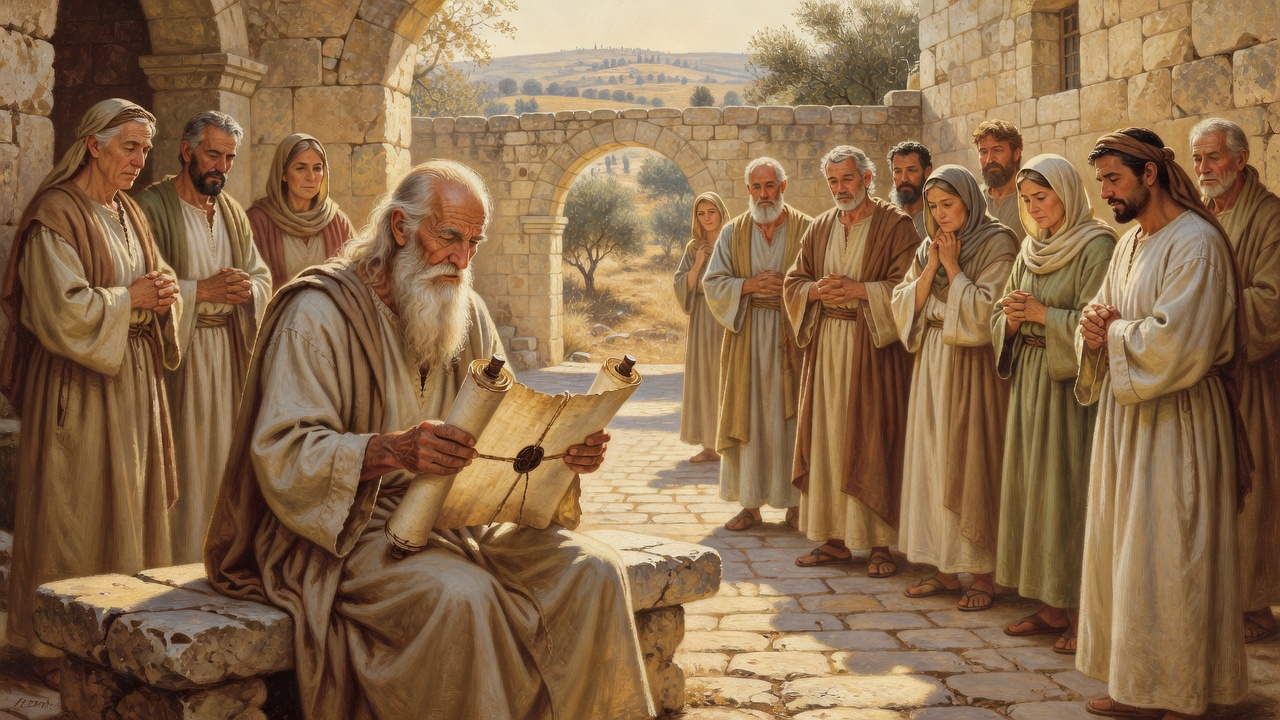
- Isaiah compares the spiritual insensibility of the people to a sealed scroll that the literate cannot open and the illiterate cannot read. He condemns those who reverse the natural order by acting as though the clay could question the potter who formed it.Sources: the Bible text itself
- The chapter promises a dramatic reversal in which the great mountain region of Lebanon becomes a fertile orchard. In that day, the descendants of Jacob and Abraham are promised understanding, joy, and justice as the blind see and the deaf hear.Sources: Lebanon · Abraham · Jacob (Israel) · the Bible text itself
Notes written with AI assistance from open sources (Theographic Bible Metadata, CC BY-SA 4.0; Easton’s Bible Dictionary, public domain) and reviewed before publishing.
Places in this chapter
- Ariel · Today: Jerusalem · 31.777, 35.234 · verses 1, 2, 7
- City of David · 31.774, 35.236 · verse 1
- Jerusalem · 31.777, 35.234 · verses 2, 3
- Mount Zion · 31.772, 35.229 · verse 8
- Lebanon · 33.540, 35.584 · verse 17
Only places identified with high confidence are shown (90% or more according to the scholarly sources compiled by OpenBible). Period map: DARE (Digital Atlas of the Roman Empire), CC BY 4.0; modern map: © OpenStreetMap contributors; places: OpenBible.info (CC BY 4.0).
Credits and license for this translation
KAKAƗYARI NIUKIEYA XAPAYARI WIXARIKAKƗ
The Holy Bible in the in Huichol language of Mexico, 2020 edition
La Santa Biblia en lengua huichol de México, edición 2020
copyright © 2020 Wycliffe Bible Translators, Inc.
Language: Huichol
Translation by: Wycliffe Bible Translators, Inc.
Huichol [hch], Mexico
Copyright Information
© 1988-2020, Wycliffe Bible Translators, Inc.
This translation text is made available to you under the
terms of the Creative Commons License: Attribution-Noncommercial-No Derivative Works.
( http://creativecommons.org/licenses/by-nc-nd/3.0/ )
In addition, you have permission to port the text to different file formats, as long as you
do not change any of the text or punctuation of the Bible.
You may share, copy, distribute, transmit, and extract portions
or quotations from this work, provided that you include the above copyright
information:
You must give Attribution to the work.
You do not sell this work for a profit.
You do not make any derivative works that change any of the actual words or punctuation of the Scriptures.
Permissions beyond the scope of this license may be
available if you contact
us with your request.
The Holy Bible
in Huichol
© 1988-2020, Wycliffe Bible Translators, Inc.
This translation is made available to you under the terms of the
Creative Commons Attribution-Noncommercial-No Derivatives license 4.0.
You may share and redistribute this Bible translation or extracts from it in any format, provided that:
You include the above copyright and source information.
You do not sell this work for a profit.
You do not change any of the words or punctuation of the Scriptures.
Pictures included with Scriptures and other documents on this site are licensed just for use with those Scriptures and documents.
For other uses, please contact the respective copyright owners.
2025-09-03
Source: http://ebible.org/hch/ · eBible.org