Hosea 2
KAKAƗYARI NIUKIEYA XAPAYARI WIXARIKAKƗ · Tap a verse to see its cross-references.
1»Kepauka memɨ'axɨani xe'iwama 'ukitsi mɨpaɨ xeketeniwaruterɨwa: Hami, taniukikɨ manuyɨne “Mepɨneteɨterimari”. Meta 'ukari Xuhama, taniukikɨ manuyɨne “Nepitinenimayatari”.
'Ixaheritsixi kememɨtekwinitɨariekai meta kememɨte'utinenimayatsie
2»Peru hikɨ yumaama hetsie xeketeneuhɨpani,
mɨkɨri hikɨ pɨkane'ɨya neta nepɨkakɨnaya.
Yuhɨxie mayuyewirie witsimɨtixeiyariekakɨ ke'ayuye'itieni 'axamɨtiuka'iyarikɨ,
meta yutawie kemɨratikuka ketiuhayewa.
3Ya mɨpaɨ pɨkatiuyuri, ne naime nekatininawairiemɨkɨ,
ke'anetɨ mutinuiwaxɨ mɨpaɨ 'anekame nekanihayewamɨkɨ.
Makuwakitsie nekanihɨamɨkɨ.
Kwiepa tixaɨtɨ mɨkaraxuawe nenihayewamɨkɨ, yeharimɨnetɨ kanimɨmɨkɨ.
4Niwemama nepɨkawatinenimayata,
'axamɨtiyuriene hetsie memɨmiemetekɨ.
5Wamaama tuminikɨ muyuwitɨnɨa kanihɨkɨtɨni,
Mɨwarutiniwexɨ ka'uyukatewiyatɨ.
Mɨpaɨ kaniutayɨni: “Netuxexerima wahamatɨa nepukuyeikani,
memɨnetemikwa memɨnetsiharitɨa,
muxa huxarieya, rinu 'ixurikiyari, nehatseiti meta tita nemɨranuye'e”.
6'Ayumieme ne huyetana nepɨranutanani xuyakɨ,
muwa xeikɨa nepiyenaka huye mɨkataxeiyakɨ.
7Waɨkawa tiuka'eniwatɨ yutuxexerima pɨwakuwauneni,
kawataxeiyame mɨpaɨ pɨtayɨni:
“Nekɨna matɨari nemitiwitɨ hetsɨa nepɨnuanikeyu,
matsi meripaitɨ 'aixɨa nepɨtixeiyariekai keyuri hikɨ”.
8Mɨkɨ mɨpaɨ pɨkaretimaiwe kename ne nehɨkɨ nemɨtimikwa,
kaxie winuyari mɨhekwa meta hatseiti nemɨtiyetuirie.
Ne waɨkawa nepɨtimɨiririe pɨrata meta huru,
¿ketiuyuri kɨmana? Memɨkayuri kakaɨyarixi pɨwarutiwewi.
9»'Ayumieme kepauka tukarieya maye'ani
ne tɨriku nepinawairieni kaxie winuyari mɨhekwa.
Muxa kaheuhuxakame nepɨhayewa meta rinu 'ixurikiyari kahexeiyame
nemɨtiyetuiriekai mawekaku kɨmana meuyukunakakɨ.
10Nepitewiyatsitɨani mɨirikɨa
tuxexerimama me'ixeiyakaku,
nixewitɨ pɨkayɨweni hetsiena mutanuani.
11Naitɨ mana pɨtiuye'atɨyani 'ixɨarari temawierikayari kemɨtiwewiekai.
Meta kemɨtikuyeikakai metseri xikɨraɨyekaku,
meta kepauka muka'uxipiwekai meta 'ixɨarari kemɨtiutiwewiwakai xeiwiyari 'aye'axekaku.
12Kaxie haraweriyari kemɨrexeiyakai meta piní,
kename mɨkɨ tuxexerimama mete'iyetuiriekai.
Maku'ɨtsiya nepayeitɨani,
yeuta memɨte'u'uwa mekanitikwaikuni xeikɨa.
13Nepɨtikwinitɨani mɨkɨ tukaritsie
hipame kakaɨyarixi mɨtiwarutimawiriwakaikɨ,
kepauka witsitiyukukemaritɨwatɨ nakɨtsatekɨ meta kukakɨ
ne kanetsiha'eriwatɨ, yutuxexerima wa'utɨma xeikɨa peyeikakai
—Yawé mɨpaɨ kanaineni—.
14»'Ayumieme hikɨ nekatini'irɨwiyamɨkɨ:
makumawetsie nekanenuwitɨmɨkɨ
mana witsi'anekamekɨ nekaneitahɨawimɨkɨ.
15'Ana nekaniyetɨiriemɨkɨ kaxie haraweriyari,
mayeweritsie waɨkawa Kemɨtiuka'eniwakai
'aixɨa 'aneme nepayeitɨani memanukɨka Mɨnetsitakwewiekɨ.
Mana pɨnetsita'eiya temaikɨyari hepaɨ,
kepauka 'Ekipitu mayetɨatsie hepaɨ.
16»Yawé mɨpaɨ kanaineni: Kepauka maye'ani tukari
mɨpaɨ pepɨkanetiuterɨwani: “neti'aitɨwame”,
matsi pɨta: “nepɨmatsinaki'erie nekɨna”.
17Ne nepɨmeratɨmaiyatsitɨani tawarita pemɨkawakuxatanikɨ memɨkayuri kakaɨyarixi,
hatsuakuri pemɨkawatahɨawe.
18Mɨkɨ tukaritsie tɨratu nepɨwewieni
Yeutari wahamatɨa,
muyuawitsie memɨte'uwɨtɨkɨka wahamatɨa
kwiepa memɨteku'ɨretɨwe wahamatɨa.
Kiekari mukumanetsie tupi nepɨwanawairieni, 'ixipara, kuyaxi meta
para 'aixɨa 'anemekɨ xemu'uwanikɨ yunaitɨ.
19Ne ne'ɨya nematsi'ayeitɨani yuheyemekɨ,
nematsi'awitɨkɨni heitseriemekɨ 'aixɨa 'iyari,
teyunaki'erietɨ teteheuyuyehɨwirietɨ.
20Pepɨnetsihetimani heitseriemekɨ kenemɨtiuka'iyari hatsuaku nepɨkamatsiku'eirieni,
hikɨ 'ana Yawé pekanetimaimɨkɨ.
21»Yawé mɨpaɨ kanaineni: Mɨkɨ tukaritsie ne yanepɨtikamieni,
ne muyuawitsie paitɨ nepɨxeku'eiyani,
meta muyuawi kwie pɨ'enieka,
22Kwieta 'imɨari pɨxuaweriyani,
kaxie winuyari mɨhekwa huriwa hatseitiyari meta,
mɨkɨkɨ mekaniwata'eiyakuni Ketsireri.
23Ne nehetsiemieme kwiepa nepɨwaka'eni.
“Nepɨka'itinenimayatari” mɨkɨ wahetsiemieme nepɨwatinenimayata.
“Mepɨkaneteɨterimari” nepɨtiwaterɨwa, “Mepɨneteɨterimari”,
mɨkɨta mɨpaɨ mepɨtiyuani, “Pɨtakakaɨyari”».
Did you know?
Judgment and Restoration
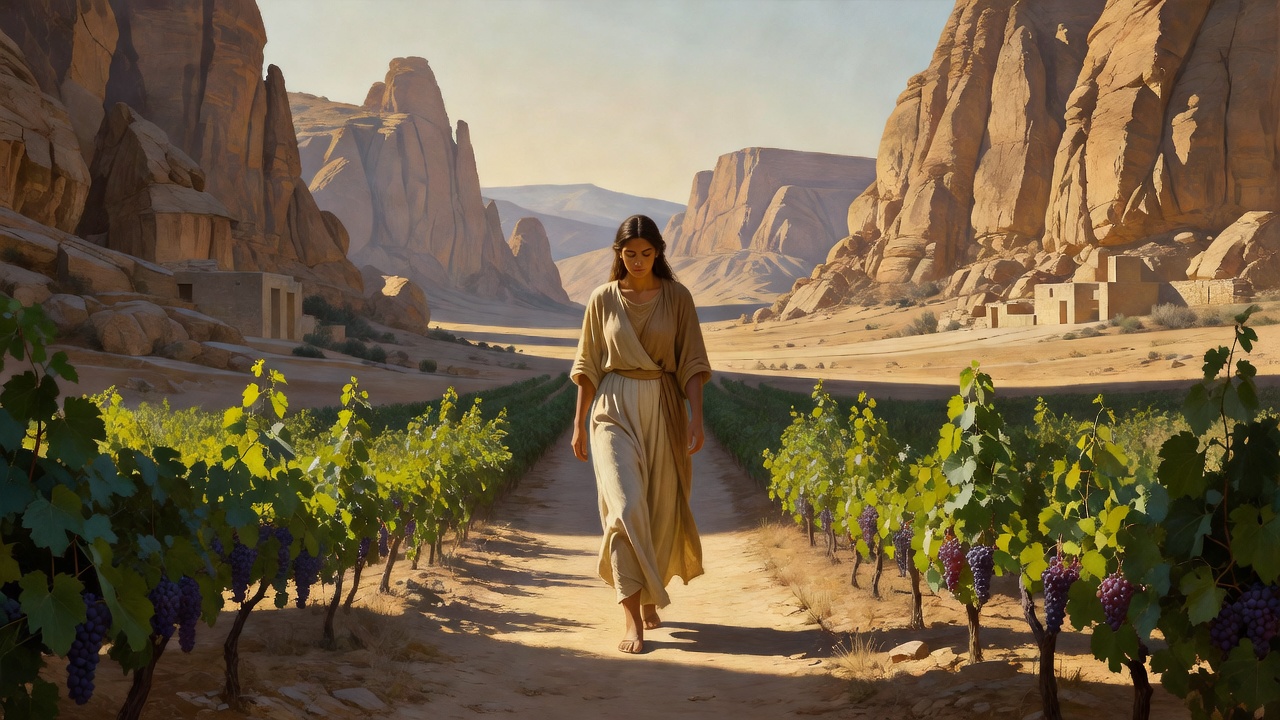
- The Valley of Achor, located near Jericho, derived its name from the trouble caused by the sin of Achan in the book of Joshua. Hosea uses this proverbial site of calamity to promise that a place of past disaster will be transformed into a gateway of hope.Sources: Valley of Achor · the Bible text itself
- Baal was the chief male deity of the Phoenicians, whose worship had become widespread among the northern tribes of Israel. Hosea challenges the belief that agricultural provisions such as grain, wine, oil, and wool came from Baal, declaring instead that they were gifts from the LORD.Sources: Baal · the Bible text itself
- The chapter announces a reversal of the symbolic names of judgment given to the children earlier in the book. Those named No Compassion are promised mercy, and those called Not My People are once again recognized as God's people in a restored covenant.Sources: the Bible text itself
Notes written with AI assistance from open sources (Theographic Bible Metadata, CC BY-SA 4.0; Easton’s Bible Dictionary, public domain) and reviewed before publishing.
Places in this chapter
- Egypt · 30.129, 31.308 · verse 15
Only places identified with high confidence are shown (90% or more according to the scholarly sources compiled by OpenBible). Period map: DARE (Digital Atlas of the Roman Empire), CC BY 4.0; modern map: © OpenStreetMap contributors; places: OpenBible.info (CC BY 4.0).
Credits and license for this translation
KAKAƗYARI NIUKIEYA XAPAYARI WIXARIKAKƗ
The Holy Bible in the in Huichol language of Mexico, 2020 edition
La Santa Biblia en lengua huichol de México, edición 2020
copyright © 2020 Wycliffe Bible Translators, Inc.
Language: Huichol
Translation by: Wycliffe Bible Translators, Inc.
Huichol [hch], Mexico
Copyright Information
© 1988-2020, Wycliffe Bible Translators, Inc.
This translation text is made available to you under the
terms of the Creative Commons License: Attribution-Noncommercial-No Derivative Works.
( http://creativecommons.org/licenses/by-nc-nd/3.0/ )
In addition, you have permission to port the text to different file formats, as long as you
do not change any of the text or punctuation of the Bible.
You may share, copy, distribute, transmit, and extract portions
or quotations from this work, provided that you include the above copyright
information:
You must give Attribution to the work.
You do not sell this work for a profit.
You do not make any derivative works that change any of the actual words or punctuation of the Scriptures.
Permissions beyond the scope of this license may be
available if you contact
us with your request.
The Holy Bible
in Huichol
© 1988-2020, Wycliffe Bible Translators, Inc.
This translation is made available to you under the terms of the
Creative Commons Attribution-Noncommercial-No Derivatives license 4.0.
You may share and redistribute this Bible translation or extracts from it in any format, provided that:
You include the above copyright and source information.
You do not sell this work for a profit.
You do not change any of the words or punctuation of the Scriptures.
Pictures included with Scriptures and other documents on this site are licensed just for use with those Scriptures and documents.
For other uses, please contact the respective copyright owners.
2025-09-03
Source: http://ebible.org/hch/ · eBible.org